Skip to content
Cambuslang West WardLanarkshire

Area Overview for Cambuslang West Ward

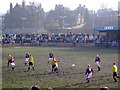
Somervell Park, Cambuslang. Football ground in Cambuslang West Ward
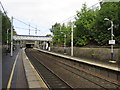
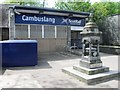
Cambuslang railway station in Cambuslang West Ward
A small fountain outside Cambuslang train station in Glasgow in Cambuslang West Ward
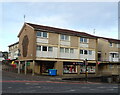
Charity shop with flats over on Glasgow Road (A724) in Cambuslang West Ward
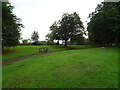
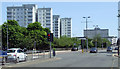
Park beside the A724, Cambuslang in Cambuslang West Ward
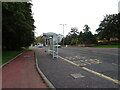
Bus stop and shelter on the A724, Cambuslang in Cambuslang West Ward
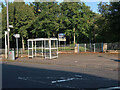
Bus stop on Duke's Road at Quarryfield Park in Cambuslang West Ward
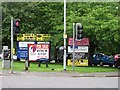
Hoardings, Cambuslang in Cambuslang West Ward
West Coats Primary School in Cambuslang West Ward
Cambuslang Rail Station in Cambuslang West Ward
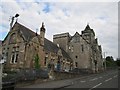
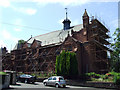
Trinity Parish Church in Cambuslang West Ward
Main Street Cambuslang in Cambuslang West Ward
26 photos from this area

Area Information

Cambuslang West Ward stands as Ward 13 within the South Lanarkshire Council unitary authority, situated in the historical county of Lanarkshire. You will find yourself living in a suburban town on the south-eastern outskirts of Greater Glasgow, located just six miles southeast of the city centre. This ward covers an area of 5.9 km² and hosts a population of around 15,000 people. Life here is defined by a mix of 19th-century tenements, villas, modern flats, and detached houses set among ongoing social challenges. The town centre of Cambuslang acts as the commercial heart, defined administratively as a unitary ward since the medieval period. While the area dates back to at least the 15th century with documented coal mining from 1490, it has seen varied industrial cycles including limestone extraction and iron making. The presence of the Hoover Company from 1946 until 2005 shaped the local economy significantly. Today, you navigate an environment where employment and housing issues influence daily life alongside historical landmarks. Cambuslang Park offers 27 acres of open space featuring Borgie Glen ravine and the bandstand site of the historic Wark revival. For residents commuting, the ward borders the River Clyde and connects to major transport routes. The location provides access to the Calder, Blantyre, Kilbryde, Carmunnock, and Rutherglen areas. You can reach the wider region via the M74 motorway or the A724 to Hamilton and Glasgow city centre. Cambuslang railway station on the Argyle Line provides direct links to central Glasgow and Lanark. This network supports both locals and visitors moving between these connected points in the Greater Glasgow conurbation.

Area Type
District Borough Unitary Ward
Area Size
5.9 km²
Population
Not available
Population Density
Not available

Demographics

Cambuslang West Ward is home to roughly 15,000 residents living across a diverse range of housing types. The community comprises households in 19th-century tenements, individual villas, modern flats, and detached homes. Some residents live in sheltered housing, reflecting specific needs within the ward. The character of the area suggests a population where economic hardship impacts many families, creating a distinct social profile compared to more affluent northern suburbs. You will encounter a mix of family homes and smaller accommodation fitting the ward's evolution from agricultural and mineral-based industries. Men and women, young people, and older residents share streets defined by historical sites like the Old Parish Church kirkyard and Dechmont Hill ruins. Schools near Cambuslang West Ward serve a significant portion of the local school-age population, given the ward's central location within the town. The presence of established industries like the Scottish Fire and Rescue Service headquarters, now serving as a major employer, shapes who lives there and where they seek further education. Daily life in Cambuslang West Ward involves navigating challenges related to employment and health while accessing local amenities. The population density within 5.9 km² creates a vibrant but crowded feel, with residents relying on shared community spaces rather than isolated private estates. You find neighbours drawn together by proximity to the River Clyde and the historic Borgie Glen ravine within Cambuslang Park. The demographic mix reflects a transition from a mining past to a service economy, leaving a lasting impression on the social fabric of the 15,000-strong community.

Household Size

N/A
most common

Accommodation Type

N/A
most common

Tenure

N/A
majority

Ethnic Group

N/A
most common

Religion

N/A
most common

Household Composition

N/A
most common

Age

N/A
median
N/A
most common

Household Deprivation

N/A
with no deprivation

NS-SEC

N/A
in Lower managerial occupations

Explore more demographic insights in this area

Go to Demographics tab

Planning

Planning Constraints

  • Flood Risk
    Premium
  • Ramsar Wetland Sites
    Premium
  • Area of Outstanding Natural Beauty
    Premium
  • Protected Nature Reserve
    Premium
  • Protected Woodland
    Premium
  • Crime & Safety
    Premium

Explore more planning insights in this area

Open Planning map

Frequently Asked Questions

What is the community feel like in Cambuslang West Ward?
Cambuslang West Ward hosts approximately 15,000 residents across a diverse mix of 19th-century tenements, villas, modern flats, and detached houses. The area distinguishes itself through historical significance, including the 18th-century religious revival site now a bandstand in Cambuslang Park. Despite challenges like economic hardship and employment issues, community life revolves around shared local landmarks and amenities.
How accessible is Cambuslang West Ward for commuters?
The ward offers strong transport links via the M74 motorway, A724 to Glasgow, and A725 routes to East Kilbride. Cambuslang railway station on the Argyle Line provides direct services to central Glasgow. Digital connectivity is excellent with a fixed broadband score of 97, making remote work highly feasible for residents.
Are there any environmental risks when buying here?
Flood risk is rated as a warning with a score of 10.96, indicating medium flood coverage that residents should verify. While there are no Ramsar sites or AONBs, the ward contains protected woodland with a score of 5.76, imposing conservation restrictions. These factors require careful property selection to avoid future development limitations or environmental costs.

We use cookies to provide you with the best experience. By continuing, you agree to our Cookie Policy .