Area Overview for Laurencekirk
Photos of Laurencekirk

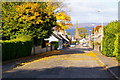
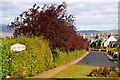
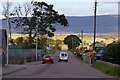
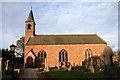
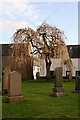

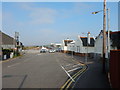
Area Information
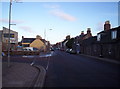
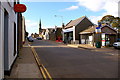
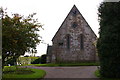
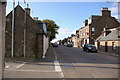
Laurencekirk stands as the largest settlement within the Howe o' the Mearns, situated in Kincardineshire, Scotland. This built-up area covers approximately 1.4 km² of the wider valley floor. Historically, the location evolved from the manor of Conveth, with its modern form solidified under Francis Garden, Lord Gardenstone, from 1765 onwards. He transformed a few scattered houses into a structured burgh of barony, designing crofts into distinct streets that anchor the High Street today. The village retains a planned character where Lord Gardenstone's feu sales created a cohesive layout still visible in the neighbourhood. Visitors and residents alike note the'affectionate local nickname Lournie', reflecting a long-standing community identity. Living in Laurencekirk means residing in a rural village that functions as a commercial centre for the surrounding countryside. The area lies between the Hill of Garvock and the Cairn o' Mount, offering a valley setting defined by the Johnston Tower landmark. Infrastructure arrived in 1849 with the railway connection on the Aberdeen to Dundee line, cementing the village's role in regional transport. Mearns Academy, established in 1895, now serves as a key educational institution within the locality. The presence of St Laurence's Episcopal Church, which opened in 1873, underscores the historical continuity of the site. prospective homebuyers seeking a rootstock community with deep historical ties find this settlement offers a unique window into Scottish village life while maintaining essential town services.
- Area Type
- Built Up Area 250
- Area Size
- 1.4 km²
- Population
- Not available
- Population Density
- Not available
Daily life in Laurencekirk revolves around a selection of amenities located within practical reach of your home. For essential shopping, residents have access to three retail venues including Co-op Scotmid, Co-op Laurencekirk, and Morrisons Daily. These shops provide the necessities without the need to travel far into the city. A weekly market once flourished here under the barony status granted in 1779, and the commercial spirit remains evident in the current arrangement of these local stores. The Boar's Head Inn site, now housing a neoclassical library, serves as a cultural focal point for the community. St Laurence's Episcopal Church, opened in 1873, continues to provide a spiritual hub for worshippers in the area. Leisure and green spaces are integrated into the village layout. The market muir, created during Lord Gardenstone's development, offers local residents access to open ground for recreation. Living in Laurencekirk means you are surrounded by landmarks such as Johnston Tower on the peak of Garvock Hill. The village character is defined by its narrow streets and planned crofts, offering a walkable environment where destinations are close at hand. Residents can enjoy the scenery of the Howe o' the Mearns valley while having immediate access to daily services. The presence of Mearns Academy ensures that education is a local resource rather than a distant necessity. This combination of retail, leisure, and architecture creates a self-sufficient lifestyle in a compact setting.
Amenities
Schools
| Rank | School | Type | Entry gender | Ages |
|---|
Explore more schools in this area
Go to Schools tabDemographics
Laurencekirk functions as a distinct community within the historic Aberdeenshire region. While specific current population figures are not recorded in the available documentation, the area's structure as a built-up settlement of 1.4 km² implies a concentrated resident base. The village grew from agricultural roots into a commercial hub where industries like linen weaving and boxmaking once employed significant numbers of locals. Today, the community reflects a blend of those who work the nearby land and those engaged with the village's commercial and service sectors. The area has historically supported diverse household types, ranging from the original croft linked to Lord Gardenstone's development to modern families and individuals attracted to the village's status. Suburban sprawl remains absent in this compact settement, meaning most residents live in proximity to the village services. The demographic makeup likely mirrors the traditional Scottish village model, containing long-term residents alongside those who commute to Aberdeen or Dundee for employment. The name Laurencekirk has been consistent since 1701, suggesting a stable population over centuries. Residents benefit from a neighbourhood where the distance to amenities is short. The area does not exhibit the high-density urban density found in major cities but rather the lower intensity typical of a planned rural town. Those considering homes in Laurencekirk should expect a community driven by local commerce and agricultural traditions rather than rapid urban migration.
Household Size
Accommodation Type
Tenure
Ethnic Group
Religion
Household Composition
Age
Household Deprivation
NS-SEC
Explore more demographic insights in this area
Go to Demographics tabPlanning
Planning Constraints
- Crime RiskPremium