Area Overview for DD2 2NG
Photos of DD2 2NG
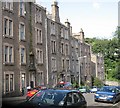
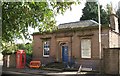
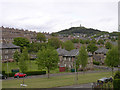
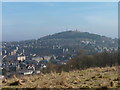
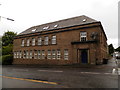
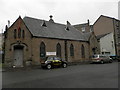
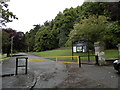
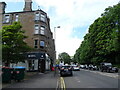
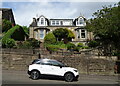
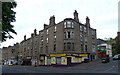
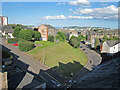
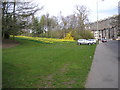
Area Information
DD2 2NG represents a specific postcode area covering a small residential cluster in Dundee City, Scotland. This micro-locality sits within a city defined by its historical significance as Scotland's first officially designated urban centre in 1889. The area encompasses approximately 2,637 square metres of land, offering a compact living environment typical of established city neighbourhoods. Dundee itself has reinvented itself from its industrial roots in jute, jam, and journalism into a modern hub for education and life sciences. Residents of this code are positioned within an urban setting characterised by a vibrant atmosphere and a legacy stretching back to the late 12th century. Living in DD2 2NG means accessing the broader benefits of Dundee while remaining in a defined residential zone. The city lies on the north bank of the River Tay estuary on the east coast, historically linked to the medieval county of Angus. For homebuyers, this postcode offers proximity to key landmarks such as the Tay Rail Bridge and the two major universities that now drive much of the local economy. The area benefits from the city's transformation, moving from post-war decline to becoming a centre for digital media and design. Your daily life involves engaging with a community shaped by centuries of history yet actively participating in the city's modern cultural renaissance. This specific cluster provides a base for those seeking established city living without the need to commute further afield to the renovated city centre or university campuses.
- Area Type
- Postcode
- Area Size
- 2637 m²
- Population
- Not available
- Population Density
- Not available
The property market in DD2 2NG is intrinsic to the broader housing stock of Dundee City, where the distinction between ownership and rental living defines much of the market dynamics. Approximately 59% of homes in the city are owner-occupied, establishing this as a region where permanent settlement is the norm for the majority of buyers. This high rate of ownership suggests stability and a community deeply invested in their local surroundings. The remaining 41% of the housing stock consists of rented properties, typically managed by local housing associations or private landlords catering to students and professionals. Housing types in DD2 2NG reflect the city's historical development and urban density. Semi-detached houses make up 29.2% of all housing units in Dundee City, offering a balance of privacy and proximity to neighbours. Terraced houses form a further 28.9% of the stock, a prevalent architectural style in many parts of the city dating back to industrial expansion. Detached houses, while rarer, account for 10.4% of homes, usually found in less dense housing clusters. The high overall household density of 315 per square kilometre means that even in this specific postcode, properties are likely to be in close proximity to one another. For buyers viewing homes in DD2 2NG, the prevailing market characteristics suggest a consistent need for well-maintained urban dwellings. The area supports a mix of housing ages, from Victorian structures to modern builds, catering to diverse tastes and budgets. Given that 92% of businesses in Dundee City are micro-businesses with up to nine employees, local investment in the property market has often been small-scale and community-focused. These statistics indicate that the market is stable and driven by genuine residency rather than speculative flipping. Potential buyers should expect to compete for quality properties, especially those closer to transport links or the city centre, given the established nature of the area and its strong owner-occupier base.
House Prices in DD2 2NG
Showing 40 properties
| Address | Type | Beds | Baths | Last Sale Price | Last Sale Date | |
|---|---|---|---|---|---|---|
| 1/1, 176 Lochee Road, Dundee, DD2 2NG | Flat | 2 | 1 | - | - | |
| 2/1, 178 Lochee Road, Dundee, DD2 2NG | Flat | 1 | 1 | - | - | |
| 2/2, 180 Lochee Road, Dundee, DD2 2NG | Flat | - | - | - | - | |
| G/1, 180 Lochee Road, Dundee, DD2 2NG | Flat | - | - | - | - | |
| 1/2, 180 Lochee Road, Dundee, DD2 2NG | Flat | - | - | - | - | |
| G/2, 180 Lochee Road, Dundee, DD2 2NG | Flat | - | - | - | - | |
| 3/2, 180 Lochee Road, Dundee, DD2 2NG | Flat | - | - | - | - | |
| 2/1, 180 Lochee Road, Dundee, DD2 2NG | Flat | - | - | - | - | |
| 1/1, 180 Lochee Road, Dundee, DD2 2NG | Flat | - | - | - | - | |
| 3/1, 180 Lochee Road, Dundee, DD2 2NG | Flat | - | - | - | - |
Energy Efficiency in DD2 2NG
The lifestyle available in DD2 2NG is defined by immediate access to a range of retail, transport, and leisure amenities within practical reach. Residents benefit from proximity to three major supermarkets, including Morrisons Dundee, Co-op Dundee, and Spar. These essential retailers ensure that daily shopping needs are met efficiently without long journeys. For those who wish to travel further, the area is well positioned near major railway stations. Dundee Railway Station, Invergowrie Railway Station, and Broughty Ferry Railway Station are all accessible, offering direct connections to Edinburgh and Glasgow. Air travel is also a viable option, with Dundee City Airport and Dundee Airport located nearby for domestic and regional flights. The character of the area is enriched by Dundee's status as a modern cultural centre, often called the City of Discovery. While specific parks or leisure centres are not listed in the immediate amenity data, the city itself boasts prominent landmarks such as Law Hill with its Iron Age fort remains and the historic Wishart Arch. The Victorian city centre, developed following the 1871 City Improvement Act, offers a blend of historic architecture and modern businesses. The economy of the wider city drives the local feel, with major employers including the University of Dundee and Abertay University. This academic presence supports a workforce-oriented community and provides frequent access to cultural events and dining. Living in DD2 2NG means you are embedded in an urban environment where historical heritage meets contemporary industry. The availability of these varied amenities ensures that daily life is convenient, connected, and culturally rich.
Amenities
Schools
| Rank | School | Type | Entry gender | Ages |
|---|
Explore more schools in this area
Go to Schools tabDemographics
The demographic composition of DD2 2NG aligns directly with the wider profile of Dundee City, though specific data at this micro-postcode level is not separately disclosed in the provided records. The overall area serves a population of 149,540 people, forming a substantial urban community. Within Dundee City as a whole, single person households constitute 37.9% of all households, while family households account for 18.1%. Over half, or 57.4%, of residents live in couple households. An additional 6.5% of households exist as single parent families, reflecting the diversity of modern living arrangements. Older residents make up a significant portion of the population, with those aged 65 or over representing 22.1% of the total. Younger demographics are also present, as the average age of residents sits at 40 years. This age distribution suggests a area that supports both established families and individuals in mid-career phases. Regarding tenure, 59% of homes in Dundee City are owner-occupied, indicating a strong sense of permanent settlement among residents. The remaining 41% are rented properties. Housing density in the city averages 315 per square kilometre, consistent with the compact nature of this urban environment. Accommodation types vary, with semi-detached houses forming 29.2% of the stock and terraced houses accounting for 28.9%. People with private car access dominate transport statistics, with 70.7% of the population owning a vehicle. However, deprivation levels remain a reality to consider, as Dundee City registers a Household Income Deprivation Index score of 23, which is higher than the Scottish average of 9. This metric indicates that lower-income households are more concentrated in parts of the city, a factor prospective residents should weigh against the urban convenience of living here.
Household Size
Accommodation Type
Tenure
Ethnic Group
Religion
Household Composition
Age
Household Deprivation
NS-SEC
Explore more demographic insights in this area
Go to Demographics tabPlanning
Planning Constraints
- Flood RiskPremium
- Ramsar Wetland SitesPremium
- Area of Outstanding Natural BeautyPremium
- Protected Nature ReservePremium
- Protected WoodlandPremium
- Crime RiskPremium