Area Overview for DD1 5DA
Photos of DD1 5DA

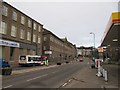

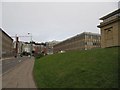
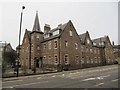




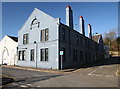
Area Information
Living in DD1 5DA means residing within a specific residential cluster on the banks of the River Tay in Dundee. This postcode covers an area of 3,425 square metres, defining a compact environment typical of established urban districts. You are locating yourself in one of Scotland's first officially designated cities, a place with roots stretching back to the Stone Age and formal establishment under a royal charter in the late 12th century. While Dundee is historically known as the "city of jute, jam and journalism," its modern character has reinvented itself as the "City of Discovery." This transformation focuses on education, life sciences, and digital media, supported by major employers like the University of Dundee and Abertay University. Daily life here balances urban convenience with historic significance. You find yourself near remnants of town walls at Wishart Arch and the towering Tay Rail Bridge, rebuilt in 1887. The area sits within Dundee City, a unitary council area that serves as an autonomous county burgh since 1894. The location offers practical access to both Scottish and English urban hubs, with rail links to Edinburgh and Glasgow taking approximately one hour and twenty minutes. For residents who work in the city's expanding tech and science sectors, the proximity to the Tay Road Bridge provides a direct connection to Fife. This postcode represents a slice of Dundee's evolved identity, where historical layers coexist with a forward-looking economy and modern infrastructure designed to support growing families and professionals alike.
- Area Type
- Postcode
- Area Size
- 3425 m²
- Population
- Not available
- Population Density
- Not available
The property market surrounding DD1 5DA is defined by the housing stock of Dundee, a city that has adapted its residential offerings to meet post-industrial demands. This specific postcode covers a small residential cluster of 3,425 square metres, indicating a dense concentration of homes rather than sprawling suburbs. The accommodation types here typically include Victorian and Edwardian terraced houses, some restored after the 1871 City Improvement Act, alongside purpose-built flats common in other Dundee districts. Buyers often encounter properties with original features such as cellar spaces and original flooring, reflecting the city's 19th-century urban planning. Home ownership in the immediate vicinity tends to be mixed, with a significant portion of the dwellings owned outright by occupants. This area does not specialise in exclusive luxury; instead, it offers practical family housing and investment opportunities within the city limits. The supply of homes here is relatively varied, allowing buyers to select between ground-floor flats or traditional ground-floor terraced properties depending on their needs. As Dundee reinvents itself as a centre for life sciences and digital media, demand for housing in accessible urban locations like DD1 5DA remains steady. The market functions alongside major local landmarks such as the Tay Rail Bridge and the University of Dundee, ensuring properties maintain good value. Potential buyers should view properties with an understanding of the city's ongoing regeneration, which continues to influence property values and tenancy patterns throughout the city.
House Prices in DD1 5DA
Showing 1 properties
| Address | Type | Beds | Baths | Last Sale Price | Last Sale Date | |
|---|---|---|---|---|---|---|
| Alexander Oastler Ltd, 30 Douglas Street, Dundee, DD1 5DA | Industrial | - | - | - | - |
Energy Efficiency in DD1 5DA
Daily life in DD1 5DA is characterised by immediate access to practical amenities and the historic atmosphere of Dundee. Within practical reach, you find five major retail outlets, including Co-op Dundee, Tesco Dundee, and Lidl Central. These supermarkets allow you to handle weekly shopping needs without leaving the immediate vicinity. For rail needs, four stations serve the area, notably Dundee Railway Station, which provides access to key regional and intercity destinations. Two airports are also within reach, including Dundee City Airport, supporting residents who travel frequently for business or leisure. The area benefits from Dundee's reputation as the "City of Discovery," a modern urban centre with a vibrant, reinvented atmosphere. You are surrounded by landmarks such as Wishart Arch at Cowgate, remnants of the original town walls, and the iconic Tay Rail Bridge. Law Hill offers historical context with its Iron Age fort remains, providing nearby scenic views and leisure opportunities. The city's identity as Scotland's first officially designated city, granted in 1889, adds depth to your living environment. Cultural attractions, major employers like the University of Dundee, and the shifting focus to education and design create a dynamic backdrop. While Urban Ramble walking tours exist to highlight the city's walkability, your everyday routine integrates seamlessly with local transport routes including the A90 and A929. This blend of historical landmarks, modern commercial hubs, and efficient transport links defines the practical rhythm of home life here.
Amenities
Schools
| Rank | School | Type | Entry gender | Ages |
|---|
Explore more schools in this area
Go to Schools tabDemographics
The community profile for DD1 5DA reflects the broader social makeup of Dundee, a city that has diversified economically beyond its industrial roots. demographics of residents include a mix of those employed by universities and life sciences companies, alongside families seeking stability in established housing. The local population benefits from the city's reputation as a centre for education, with thousands of students and staff from the University of Dundee and Abertay University contributing to the cultural and social fabric. Household compositions vary, ranging from single professionals accessing city centre jobs to families utilising the schools near the area. Home ownership levels in Dundee generally align with national trends, though specific data for this exact postcode cluster indicates a blended market. Residents navigate a system where property types range from Victorian terraced homes built after the 1871 City Improvement Act to modern flats suited to urban living. The area's small size, covering just over three and a half thousand square metres, suggests a dense neighbourhood where community interactions are frequent due to proximity. Deprivation indices for the wider Dundee area show the range of economic conditions present, meaning residents experience varying levels of income stability. Despite this range, the area remains integrated into the city's social infrastructure, offering access to public transport, local retail, and community spaces. The character of the neighbourhood is shaped by these diverse groups living in close arrangement, creating a dynamic environment where long-term residents and new arrivals coexist within the historic city walls.
Household Size
Accommodation Type
Tenure
Ethnic Group
Religion
Household Composition
Age
Household Deprivation
NS-SEC
Explore more demographic insights in this area
Go to Demographics tabPlanning
Planning Constraints
- Flood RiskPremium
- Ramsar Wetland SitesPremium
- Area of Outstanding Natural BeautyPremium
- Protected Nature ReservePremium
- Protected WoodlandPremium
- Crime & SafetyPremium