Area Overview for Oban
Photos of Oban
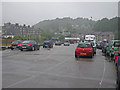
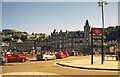
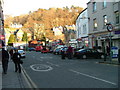
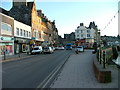



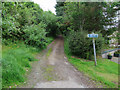
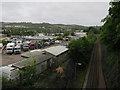

Area Information
Oban is a compact built-up area in Scotland, covering just 3.3 km². Its small size means the town is easily navigable on foot or by bike, with a distinct coastal character shaped by its proximity to the Firth of Lorn. The area is well-connected to regional transport networks, including two railway stations—Oban and Connel Ferry—and three ferry terminals, which link it to nearby islands and mainland Scotland. This connectivity makes Oban a strategic location for those seeking access to both rural and urban environments. The presence of Oban Airport, though modest, adds to the town’s appeal for short-haul travel. Daily life here balances the tranquillity of a small town with the convenience of nearby amenities, such as Tesco, M&S, and Lidl, which cater to everyday needs. With a focus on practical living, Oban offers a lifestyle that prioritises accessibility without sacrificing the charm of a coastal Scottish community.
- Area Type
- Built Up Area 250
- Area Size
- 3.3 km²
- Population
- Not available
- Population Density
- Not available
Living in Oban means access to a range of amenities that cater to daily needs and leisure. The retail scene includes major names like Tesco Oban, M&S, and Lidl Soroba, ensuring groceries and household essentials are within easy reach. For travel, the Oban Railway Station and Connel Ferry Railway Station provide links to the mainland, while three ferry terminals—Oban North Pier Ferry Terminal, Oban Kerrera Ferry, and Kerrera Ferry Landing—open up island-hopping opportunities. The presence of Oban Airport, though small, adds to the area’s transport flexibility. The town’s compact size means amenities are clustered closely, reducing the need for long commutes. Whether it’s shopping, dining, or exploring nearby islands, Oban offers a lifestyle that balances convenience with the relaxed pace of a coastal town.
Amenities
Schools
| Rank | School | Type | Entry gender | Ages |
|---|
Explore more schools in this area
Go to Schools tabDemographics
Household Size
Accommodation Type
Tenure
Ethnic Group
Religion
Household Composition
Age
Household Deprivation
NS-SEC
Explore more demographic insights in this area
Go to Demographics tabPlanning
Planning Constraints
- Crime RiskPremium