Area Overview for New Deer
Photos of New Deer
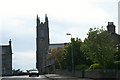
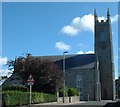
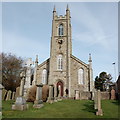
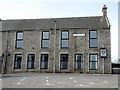
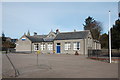
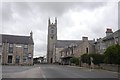
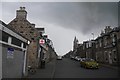
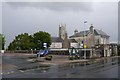
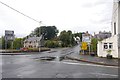
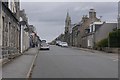
Area Information
Living in New Deer means residing in a historic built-up area within Aberdeenshire, North East Scotland. This settlement occupies 36.1 hectares in the valley of Deer, situated at the junction of several roads crossing through the Howe of Buchan. The village clusters on both sides of a tributary of South Ugie Water. Historically, New Deer traces its origins to the 580s when St Drostan established a monastery six miles to the east. St Kane later founded a chapel at Auchreddie, where a settlement grew until Deer Abbey was founded in 1219 by William Comyn, the Earl of Buchan. In 1503, the Abbey split the parish, carving a new western half that eventually adopted the name New Deer. James Ferguson of Pitfour extended the village northward in 1805 with local involvement from the Gordons of Cairnbanno. The area covers over 50 square miles across its parish boundaries. You find the village anchored by St Kane's Church and surrounded by historic structures including the 80-foot Culsh Monument. The community maintains a deep connection to its past, with landmarks like Fedderate Castle ruins located three kilometres north. If you choose to live here, you will experience a rural character defined by centuries of history and agricultural roots. The area offers a distinct sense of place grounded in local legend and significant historical events.
- Area Type
- Built Up Area 250
- Area Size
- 36.1 hectares
- Population
- Not available
- Population Density
- Not available
Residents of New Deer have access to essential retail amenities within practical reach of the village centre. There are four notable retail options identified nearby, all described as Morrisons Daily outlets. This concentration of a single supermarket chain defines the primary shopping provision for daily necessities. Beyond food shopping, the community features three public houses that serve as social hubs: the Brucklay Arms on Main Street, the Howe on Auchreddie Road East, and the Royal British Legion opposite St Kane's Church. The village centre also benefits from recreational and historical facilities, including St Kane's Church with its community centre opened in 2003, which includes a café for casual gatherings. For those interested in history, the Culsh Monument stands 80 feet high and offers views of the surrounding landscape. Fedderate Castle ruins lie three kilometres north of the village, providing a site for walking and reflection. The area's lifestyle is anchored by these specific venues rather than a wide variety of leisure centres, cinemas, or diverse restaurants. You will find a quiet, historically rich environment where daily life revolves around local supermarkets, historic landmarks, and traditional community buildings.
Amenities
Schools
| Rank | School | Type | Entry gender | Ages |
|---|
Explore more schools in this area
Go to Schools tabDemographics
Demographic data for New Deer is not currently provided in the available records. Consequently, specific details regarding age profiles, household types, or diversity metrics cannot be stated factually for this location. The absence of released statistics means we cannot assess the current age distribution or the mix of families versus single occupants living in the 36.1 hectares of the built-up area. Without official figures, it is impossible to confirm whether the population leans towards younger families or an older demographic. Ownership patterns and rental proportions remain undefined by the available dataset. While the area possesses a rich historical narrative dating back to the 1503 parish division, modern census data on who currently resides there is not included in the provided information. Potential residents rely on local knowledge and community observations rather than quantitative demographics to understand the social fabric of New Deer. The community facilities, such as the church centre opened in 2003, suggest an active local life, but precise numbers on participation or household composition remain unavailable for inclusion.
Household Size
Accommodation Type
Tenure
Ethnic Group
Religion
Household Composition
Age
Household Deprivation
NS-SEC
Explore more demographic insights in this area
Go to Demographics tabPlanning
Planning Constraints
- Crime RiskPremium