Area Overview for Huntly
Photos of Huntly
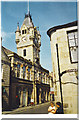
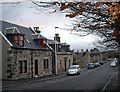
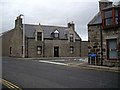


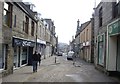
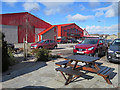
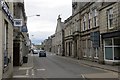
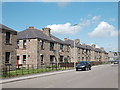
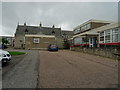
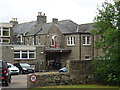
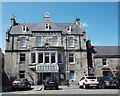
Area Information
Huntly stands as a historic burgh of barony within Aberdeenshire, north-east Scotland. This built-up area spans 1.8 km² and sits at the confluence of the Bogie and Deveron rivers. Historically known as Milton of Strathbogie, the town officially received its name under a royal charter in 1508 following the Battle of Bannockburn. The population edges towards 5,000 residents, having grown from around 4,460 in 2004 to 4,810 in 2016. You will live in a settlement that served as a traditional recruiting ground for the Gordon Highlanders regiment and remains home to Huntly Castle. Daily life here revolves around a community that developed as a market centre after railway development began in 1845. The area acts as a service hub while surrounding regions experienced depopulation. Living in Huntly offers proximity to the ruins of Huntley Castle, a Jacobean palace expanded by the Gordon family from the 1300s. The town features an Iron Age hillfort nearby at Tap o' Noth and contains Pictish remains. This small town retains its identity as a historic stronghold near Keith and Rothiemay. The landscape is defined by these ancient origins, offering a connection to Neolithic history alongside modern town life. Roads connect you to the wider Aberdeenshire network, though specific journey times are not outlined in current records.
- Area Type
- Built Up Area 250
- Area Size
- 1.8 km²
- Population
- Not available
- Population Density
- Not available
Living in Huntly places you within practical reach of essential amenities and historical landmarks. You have access to four key retail locations, including Morrisons Daily Huntly 5, Asda Huntly, and Tesco Huntly. These supermarkets form the backbone of your daily shopping routine without requiring long journeys into larger cities. Convenience is supported by the presence of Huntly Railway Station, which serves as a transport hub for commuters.Beyond shopping, the town offers rich opportunities for heritage tourism. Huntly Castle stands as a ruined Jacobean palace you can visit or enjoy views near while exploring the Bogie and Deveron rivers. The lifestyle here is defined by proximity to these amenities rather than extensive leisure facilities. There are no major leisure centres or cinemas specifically listed within the nearest practical reach, meaning you may travel further for entertainment. However, the area's small size ensures that daily necessities are close at hand. The town's character is shaped by its function as a market centre since 1845. You will find a community where the rhythm of life is guided by local shops and train schedules rather than the 24/7 pace of urban environments.
Amenities
Schools
| Rank | School | Type | Entry gender | Ages |
|---|
Explore more schools in this area
Go to Schools tabDemographics
The community in Huntly reflects a typical Scottish town demographic with no specific age profile or household type breakdown currently recorded. You will find a mix of residents in a town that once served as an important 19th-century shipping and agricultural market. The population size stabilises around 4,800 people, creating a close-knit neighbourhood atmosphere. Diversity metrics are not explicitly available, but the town's history as a recruiting ground for the Gordon Highlanders suggests a region with strong community ties. Accommodation data indicates the presence of various home types, though exact mixes of terraces, semi-detached, or detached properties remain unspecified. Deprivation levels cannot be quantified with precise indices, but the area's function as a service hub provides infrastructure to support local needs. Economic shifts moved the town from herding to capitalist agriculture, influencing the character of those who settled there. Without specific household income figures, you should understand that living standards vary based on employment in the surrounding agricultural and service sectors. The town's growth from 1870 through railway arrival means infrastructure supports a growing population without the extreme density of larger city centres.
Household Size
Accommodation Type
Tenure
Ethnic Group
Religion
Household Composition
Age
Household Deprivation
NS-SEC
Explore more demographic insights in this area
Go to Demographics tabPlanning
Planning Constraints
- Crime RiskPremium