Area Overview for Ellon
Photos of Ellon





Area Information
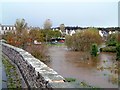
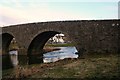
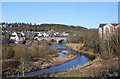
living in Ellon offers residents a life centred on history and the natural setting of the River Ythan. This parish and village sits on the shallow waters of the Ythan, a location that historically made it the principal crossing point between Buchan and Aberdeen. The settlement occupies a strategically significant site covering 3.9 km². Historically, Ellon served as the main seat of power for Buchan, first under the Pictish era and later as the Mormaerdom and Earldom. The Comyn family, once one of Scotland's most powerful clans, controlled Buchan from their castle on the Moot Hill until 1308, when the Harrying of Buchan destroyed the town. Despite this, the importance of the river crossing ensured rapid rebuilding. By the 1850s, Ellon had grown into a substantial town with five churches, three inns, and numerous shops. The railway arrived in 1861, linking the town to Aberdeen and Peterhead. Today, Ellon functions as the capital of the Buchan district and operates as a market town. You are buying into a place where the name derives from the Gaelic term Eilean, meaning island, possibly reflecting an early settlement on an island in the river. The Charlie Church of St Mary's on the Rock overlooks the south bank, designed by George Edmund Street. Ellon House and the ruins of Ellon Castle sit nearby, adding to the area's character. You live in a town where the Ythan remains navigable for coal-lighters to within a mile of the village, connecting the past with your present daily life.
- Area Type
- Built Up Area 250
- Area Size
- 3.9 km²
- Population
- Not available
- Population Density
- Not available
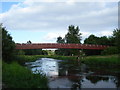
Daily life in Ellon is defined by practical amenities within practical reach of residents. You can visit Morrisons Daily, Aldi Ellon, and another Morrisons Daily, which constitutes the retail options available to you. These five retail venues provide essential shopping needs without requiring travel further afield. The town functions as a market town with important regional markets, a tradition dating back to the 1850s when the town supported a large selection of shops. The Episcopal Church of St Mary's on the Rock overlooks the south bank of the Ythan, offering a landmark for community gathering and reflection. The original Moot Hill site is now marked by a modern granite monument surrounded by seats, erected on the riverbank in 1977. This space invites you to sit and view the river. Arnage Castle, approximately 4 miles north-west of Ellon, is a Z-plan tower house built by the Cheyne family. Nearby, Ellon House and the ruins of Ellon Castle are situated in the vicinity. The Ythan is spanned by a three-arch bridge and remains navigable for coal-lighters to within a mile of the village. These features provide a distinctive scenic backdrop for your outing. You can combine your shopping trips with walks along the riverside path to the monument.
Amenities
Schools
| Rank | School | Type | Entry gender | Ages |
|---|
Explore more schools in this area
Go to Schools tabDemographics
Ellon operates as a built-up area where the community composition reflects its long history as a market town. The population lives within 3.9 km², maintaining a traditional settlement pattern established over two millennia. Evidence of settlement dates back to at least 400 BC, associated with the ford across the Ythan. The community has evolved from the early medieval period, when it became the main seat of power, to the modern era of the Buchan district capital. The demographic profile supports the town's function as a hub for the region. The town features five churches, three inns, and three banks, alongside a post office and numerous shops. For centuries, the River Ythan's importance as a crossing point for goods and livestock ensured the settlement's economic significance. By the 1850s, the town supported a substantial commercial sector with fortnightly markets. The availability of grain and salmon storage facilities at the historic Tolbooth indicates that grain and fish were significant commercial commodities. The railway arrived in 1861, and the station later became a junction in 1897. The population benefits from these deep historical roots which define the character of those residing in Ellon. The community remains tied to the historic markets and the regional connectivity provided by the rail infrastructure until the late 20th century.
Household Size
Accommodation Type
Tenure
Ethnic Group
Religion
Household Composition
Age
Household Deprivation
NS-SEC
Explore more demographic insights in this area
Go to Demographics tabPlanning
Planning Constraints
- Crime RiskPremium