Area Overview for AB43 5AD
Photos of AB43 5AD

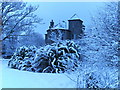


Area Information
Living in AB43 5AD places you within a specific residential cluster on the Moray Firth coast in north-east Scotland. This postcode sits in the historic district of Buchan, roughly 42 miles north-north-east of Aberdeen and 149 miles north-north-east of Edinburgh. The town itself was founded in 1588 by Sir Alexander Fraser, who obtained a royal charter from King James VI for the site now known as Fraserburgh. Originally occupied by the village of Faithlie, the area transformed under the ownership of the Frasers of Philorth, who acquired the land in 1504. The present town development began with a harbour established in the 1590s to support fishing, which remains the primary economic driver. Fraserburgh Castle was built in 1572 as a town house, standing as a significant landmark alongside a Market Cross and the Town House dating to 1855. Fraserburgh Golf Club was founded in 1777 and holds the distinction of being the fifth oldest golf club in the world. Your proximity to these historic structures means your daily life is interwoven with a rich history dating back centuries. The area functions as a coastal community where the legacy of ship-building and shellfish processing continues to shape the local identity. You will find yourself in a setting that balances historical significance with modern coastal living.
- Area Type
- Postcode
- Area Size
- Not available
- Population
- Not available
- Population Density
- Not available
Detailed property statistics for AB43 5AD are not included in the available information, so specific home ownership percentages or accommodation type breakdowns are unavailable. However, the description of the postcode indicates it covers a small residential cluster within a town founded in 1588. This suggests a compact housing stock where properties are likely situated close to the historic town centre featuring Fraserburgh Castle and the Market Cross. The area includes homes near significant landmarks such as the Old Parish Church, built and replaced in 1803, and the Town House extended in 1906. Given the town's role as a ship-building hub in the 17th century and a major shellfish port today, demand for homes near the harbour and inland residential zones fluctuates with industry cycles. Buyers looking at this small area should expect a market driven by local needs and connectivity to the wider Aberdeenshire region. The lack of granular market data for this specific postcode means you must rely on broader Fraserburgh trends. These trends indicate a community that has evolved from a royal burgh of barony to a modern coastal town while retaining its industrial character. Understanding the physical layout defined by the harbour and the old town centre provides better insight than missing statistical tables.
House Prices in AB43 5AD
No properties found in this postcode.
Energy Efficiency in AB43 5AD
Amenities
Schools
| Rank | School | Type | Entry gender | Ages |
|---|
Explore more schools in this area
Go to Schools tabDemographics
Community statistics for this specific postcode area are not available in the current data. Instead, research surrounding the town of Fraserburgh provides context for the broader demographic environment you would encounter. The town developed significantly after receiving status as a police burgh in 1840, which enhanced its administrative powers and helped shape the adult population structure. Because the area has been a residential cluster since the 18th century, many residents likely have long-standing ties to the town. The presence of Fraserburgh Golf Club, founded in 1777, suggests a community with deep historical roots rather than a transient population. While exact age profiles and household types are not listed for AB43 5AD specifically, the region served as a temporary refuge for King's College Aberdeen students in 1647 during a plague outbreak, indicating a capacity to host diverse groups. The economy relies heavily on the port, which historically covered six Scots acres with new piers and jetties. This economic focus often attracts workers from across Aberdeenshire and beyond. Without specific deprivation figures or diversity percentages for the postcode, the best approach is to expect a population shaped by the fishing and shellfish industries that define the harbour.
Household Size
Accommodation Type
Tenure
Ethnic Group
Religion
Household Composition
Age
Household Deprivation
NS-SEC
Explore more demographic insights in this area
Go to Demographics tabPlanning
Planning Constraints
- Flood RiskPremium
- Ramsar Wetland SitesPremium
- Area of Outstanding Natural BeautyPremium
- Protected Nature ReservePremium
- Protected WoodlandPremium
- Crime RiskPremium