Area Overview for Thurcroft
Photos of Thurcroft
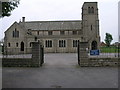
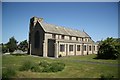
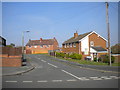
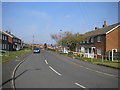

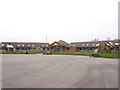
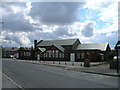
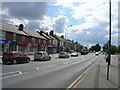
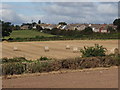

Area Information
Thurcroft is a compact built-up area in England, spanning 1.4 km² and home to a population with a median age of 70. This suggests a community skewed towards older residents, which shapes the area’s character. Daily life in Thurcroft is defined by its proximity to essential services, including a range of schools, retail outlets, and transport links. The area’s charm lies in its practicality: residents can access local shops, schools, and public transport within short distances. While the demographic profile indicates a mature population, the presence of multiple educational institutions, from primary schools to academies, suggests a focus on family needs. Thurcroft’s small size means it is tightly knit, with amenities clustered closely together. For those considering living here, the balance of accessibility and a slower pace of life may appeal. However, the age profile means the community is likely to have a distinct rhythm, shaped by the needs and habits of its older residents. The area’s compact nature ensures that even those with mobility challenges can navigate it easily, though the lack of detailed data on housing types means the full picture of its built environment remains partially opaque.
- Area Type
- Built Up Area 250
- Area Size
- 1.4 km²
- Population
- Not available
- Population Density
- Not available
Thurcroft offers a practical lifestyle with access to essential amenities within easy reach. Retail options include local shops such as Spar, Co-op Thurcroft, and Co-op Laughton, providing everyday necessities. The area’s transport links, including rail stations and metro stops, ensure that residents can access broader regional services without long commutes. While specific details on parks or leisure facilities are not provided, the presence of multiple schools and shops suggests a community-focused environment. The compact size of the area means that amenities are clustered closely, reducing the need for extensive travel. For residents, this convenience is a key benefit, allowing them to manage daily tasks efficiently. The mix of retail, transport, and educational services indicates a functional, if modest, lifestyle. However, without data on green spaces or recreational areas, the full extent of leisure opportunities remains unexplored. Overall, Thurcroft caters to those who value accessibility over expansive amenities.
Amenities
Schools
Thurcroft is served by a variety of schools, including primary schools such as Thurcroft Junior School and Thurcroft Infant School, both of which cater to younger children. The Willows School, a special school, provides education for students with specific needs, while Thurcroft Junior Academy is an academy with an Ofsted rating of 'good'. Another Thurcroft Infant School operates as an academy, though its rating is not specified. This mix of school types offers families a range of options, from mainstream primary education to specialist provision. The presence of both state and academy schools suggests a commitment to educational diversity. For parents, the availability of a special school indicates that the area can support children with additional learning requirements. However, the absence of detailed ratings for all schools means that prospective families may need to conduct further research to assess the quality of education available. The proximity of these schools to residential areas ensures that children can access education without long commutes.
| Rank | A + A* % | School | Type | Entry gender | Ages |
|---|---|---|---|---|---|
| 1 | N/A | Thurcroft Junior School | primary | N/A | N/A |
| 2 | N/A | Thurcroft Infant School | primary | N/A | N/A |
| 3 | N/A | The Willows School | special | N/A | N/A |
| 4 | N/A | Thurcroft Junior Academy | academy | N/A | N/A |
| 5 | N/A | Thurcroft Infant School | academy | N/A | N/A |
Explore more schools in this area
Go to Schools tabDemographics
The population of Thurcroft has a median age of 70, placing it well above the national average. This indicates a community predominantly composed of older adults, which influences the area’s social dynamics and service needs. Home ownership stands at 60%, suggesting that nearly two-thirds of residents live in properties they own, while the remaining 40% are likely to rent. The data does not specify household composition or accommodation types, but the high median age implies a prevalence of single-person households or couples without children. The absence of detailed breakdowns on ethnic groups or religious affiliations means the full diversity of the community remains unexplored. However, the age profile suggests a population with potentially higher healthcare needs and a focus on retirement living. For prospective buyers, this demographic profile may indicate a quieter, more stable environment, though it also raises questions about the availability of services tailored to younger families. The data’s limitations mean further research would be needed to fully understand the community’s composition.
Household Size
Accommodation Type
Tenure
Ethnic Group
Religion
Household Composition
Age
Household Deprivation
NS-SEC
Explore more demographic insights in this area
Go to Demographics tabPlanning
Planning Constraints
- Crime RiskLocked