Area Overview for Thorner
Photos of Thorner
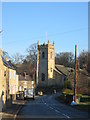
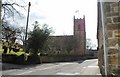
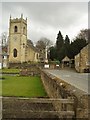
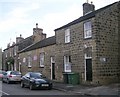
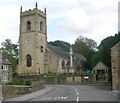
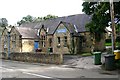
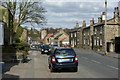
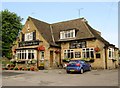
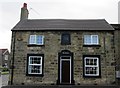
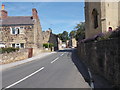
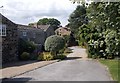
Area Information
Thorner is a small built-up area in England, covering 56.2 hectares. It is a quiet, mature community with a median age of 70, reflecting a settled population. The area is well-served by nearby amenities, including two primary schools and several retail outlets. Living in Thorner offers a blend of convenience and tranquillity, with easy access to rail networks and local shops. Homes in Thorner are predominantly owner-occupied, with 82% of residents owning their properties. The community is characterised by a strong sense of stability, with a focus on family life and proximity to essential services. While the area is not vast, its compact size ensures that daily needs are within reach, making it ideal for those seeking a slower-paced lifestyle. Thorner’s charm lies in its simplicity, offering a contrast to busier urban centres without sacrificing accessibility to nearby towns. For buyers, the area presents a mix of established housing stock and a low crime risk, contributing to its appeal as a safe, low-maintenance place to live.
- Area Type
- Built Up Area 250
- Area Size
- 56.2 hectares
- Population
- Not available
- Population Density
- Not available
Thorner’s lifestyle is shaped by its proximity to retail and rail amenities. Within practical reach are five retail outlets, including M&S Red Hall BP, Asda Wetherby, and Co-op Leeds, offering a range of shopping options. These venues cater to everyday needs, from groceries to general retail, enhancing convenience for residents. The area’s rail network, with stations at Cross Gates, Garforth, and East Garforth, provides access to nearby towns, supporting both leisure and commuting. While Thorner itself is compact, the surrounding area offers a balance of local services and regional connectivity. The presence of multiple retail options and rail links ensures that daily life remains accessible, though the area’s small size means it relies on nearby towns for broader amenities. This blend of local convenience and regional access defines the lifestyle in Thorner.
Amenities
Schools
Thorner has two primary schools within its vicinity: Thorner Church of England Voluntary Controlled Primary School and Thorner Church of England Primary School. Both are primary institutions, serving the needs of local families with young children. The presence of two primary schools suggests a focus on early education, though the data does not provide Ofsted ratings or academic performance metrics. For families, this means access to schooling without the need to travel far, which is a key consideration for parents. The schools are likely to be central to the community, fostering a sense of local cohesion. However, the absence of secondary schools nearby may require students to attend institutions in neighbouring towns. The availability of primary education is a clear advantage for families prioritising convenience.
| Rank | School | Type | Entry gender | Ages |
|---|
Explore more schools in this area
Go to Schools tabDemographics
Thorner’s population has a median age of 70, indicating a community skewed towards older residents. This age profile suggests a demographic where retirement is common, with many residents likely to be long-term residents. Home ownership is high, at 82%, which reflects a stable, settled population with little turnover. The data does not specify household composition or ethnic diversity, but the overall figures imply a relatively uniform demographic. The absence of detailed breakdowns means the area’s social fabric is not fully quantified, though the high home ownership rate points to a community with a strong local identity. For quality of life, the age distribution may influence local services and amenities, with a focus on healthcare and community support. The area’s demographic profile is distinct, with a clear emphasis on older, established residents.
Household Size
Accommodation Type
Tenure
Ethnic Group
Religion
Household Composition
Age
Household Deprivation
NS-SEC
Explore more demographic insights in this area
Go to Demographics tabPlanning
Planning Constraints
- Crime RiskPremium