Area Overview for Pocklington
Photos of Pocklington

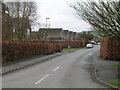




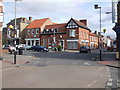
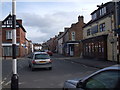


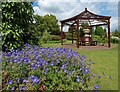
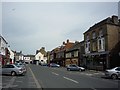
Area Information
Pocklington is a compact built-up area in England, covering just 3.6 km². Its small size means it’s a tight-knit community, where daily life revolves around local amenities and established routines. The area’s median age of 70 suggests a predominantly older population, which may influence the pace of life and the character of its services. Despite its modest size, Pocklington offers a range of essentials, including three major retail stores—Aldi, Co-op, and Sainsburys—ensuring residents have access to groceries and household goods without needing to travel far. The broadband score of 100 indicates near-perfect digital connectivity, while the mobile coverage score of 83 is strong enough to support remote work and everyday internet use. Safety is a key draw: the area has a low crime risk, with a safety score of 79, suggesting a secure environment for residents. For families, the mix of state and independent schools provides options tailored to different educational preferences, from primary schools like Pocklington Community Junior School to the independent Pocklington School. This blend of practicality, safety, and accessibility makes Pocklington a viable choice for those prioritising stability over urban vibrancy.
- Area Type
- Built Up Area 250
- Area Size
- 3.6 km²
- Population
- Not available
- Population Density
- Not available
Residents of Pocklington have access to essential retail services, including Aldi, Co-op, and Sainsburys, all within practical reach. These stores provide a range of groceries, household items, and everyday necessities, reducing the need for longer trips to larger towns. While the data does not mention parks, leisure facilities, or dining options, the presence of multiple retail outlets suggests a focus on convenience. The area’s small size likely means that local amenities are clustered, making it easy to access services without significant travel. For those who enjoy shopping, the variety of stores offers choices tailored to different budgets and preferences. However, the lack of information on dining or recreational options means the full extent of lifestyle opportunities remains unclear. The compact nature of Pocklington may appeal to those who prioritise proximity to essential services over expansive leisure options, though further investigation into the area’s cultural or recreational offerings would be necessary for a complete picture.
Amenities
Schools
Pocklington offers a range of educational options, from primary schools to an independent institution. The primary schools include Pocklington Community Junior School, Pocklington Church of England Voluntary Controlled Infant School (rated satisfactory by Ofsted), St Mary and St Joseph Roman Catholic Voluntary Aided Primary School, and Woldgate School and Sixth Form College. These schools cater to different religious and educational preferences, with the Church of England and Catholic schools offering faith-based education. The inclusion of an independent school, Pocklington School, provides an alternative for families seeking private education. The mix of state and independent institutions ensures flexibility for parents, whether they prioritise affordability, faith-based learning, or specialist curricula. However, the Ofsted rating of “satisfactory” for one school highlights that not all institutions are rated highly, though the overall selection remains varied. For families, the proximity of multiple schools within the area reduces commuting time and supports a balanced lifestyle.
| Rank | A + A* % | School | Type | Entry gender | Ages |
|---|---|---|---|---|---|
| 1 | N/A | Pocklington Community Junior School | primary | N/A | N/A |
| 2 | N/A | Pocklington Church of England Voluntary Controlled Infant School | primary | N/A | N/A |
| 3 | N/A | St Mary and St Joseph Roman Catholic Voluntary Aided Primary School | primary | N/A | N/A |
| 4 | N/A | Woldgate School and Sixth Form College | primary | N/A | N/A |
| 5 | N/A | Pocklington School | independent | N/A | N/A |
Explore more schools in this area
Go to Schools tabDemographics
Pocklington’s population is defined by its median age of 70, which is notably high compared to national averages. This suggests a community where retirees or older residents form a significant proportion of the population. The most common age range is listed as “Age: Total,” which may reflect a broad demographic spread but lacks granularity. Home ownership in the area is robust, with 74% of households owning their homes. This high rate of ownership implies a stable, long-term resident base rather than a transient rental market. The data does not specify household composition or accommodation types, but the overall figures indicate a settled population. The area’s predominant ethnic group and religious makeup are not detailed, but the absence of specific diversity metrics means the community’s cultural composition remains unclear. For those considering Pocklington, the high home ownership rate and older demographic profile may appeal to buyers seeking a quiet, low-maintenance lifestyle. However, the lack of detailed demographic breakdowns means potential residents should look beyond the data for a fuller understanding of the community’s character.
Household Size
Accommodation Type
Tenure
Ethnic Group
Religion
Household Composition
Age
Household Deprivation
NS-SEC
Explore more demographic insights in this area
Go to Demographics tabPlanning
Planning Constraints
- Crime RiskLocked