Area Overview for Langton
Photos of Langton
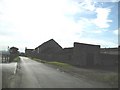
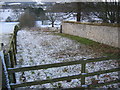
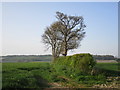
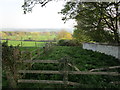
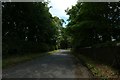
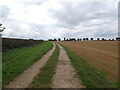
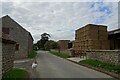
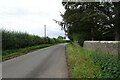
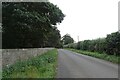
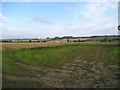
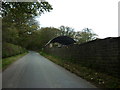
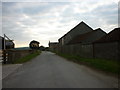
Area Information
Langton is a small civil parish located in North Yorkshire, covering an area of 9.2 km². This village sits approximately 3.5 miles south of the market town of Malton, within the broader landscape of what was the East Riding of Yorkshire. Although it was once part of the Ryedale district, it now falls under the administration of North Yorkshire Council. The community maintains a quiet, historic atmosphere centred around Langton Hall and St Andrew's Church. Historical records describe the location as a pretty village nestled in a Wolds valley, a character that persists today. While the population is officially recorded as under 100 people in the 2011 Census, the presence of a community primary school serving around 80 pupils indicates a small but active settlement. Local geography includes the Grade II listed Langton Hall, which previously housed Woodleigh School and later served as a seat for the Norcliffe family. Visitors may recognise the hall from its use in television productions such as *Gentleman Jack* and *Rich House Poor House*. The village offers a grounded rural experience defined by cottages and ancient monuments rather than modern development. For anyone considering living in Langton, the setting provides a distinct slice of country life surrounded by significant local history.
- Area Type
- Parish
- Area Size
- 9.2 km²
- Population
- Not available
- Population Density
- Not available
Demographics
The community within Langton reflects a clear demographic profile suited to rural living. Census data indicates a median age of 70, meaning half the population is older than this figure. This age distribution aligns with the village's quiet atmosphere and traditional character. Household composition data is recorded as total, while accommodation types are similarly categorised as total in the available records. Home ownership stands at 51% of residents, suggesting that slightly more than half of the homes in Langton are occupied by their owners. Population diversity shows that the predominant ethnic group is total, indicating a homogenous community consistent with its rural setting. Religious affiliation is listed as total in the provided statistics. Although specific deprivation indices are not included in the dataset, the low crime risk score of 90 out of 100 suggests high safety standards. Local life revolves around the immediate village, with social interactions likely tied to the community primary school and local landmarks. The most common age range encompasses the broader total population, reinforcing the presence of older residents who have built long-term roots in the parish.
Household Size
Accommodation Type
Tenure
Ethnic Group
Religion
Household Composition
Age
Household Deprivation
NS-SEC
Explore more demographic insights in this area
Go to Demographics tabPlanning
Planning Constraints
- Flood RiskPremium
- Ramsar Wetland SitesPremium
- Area of Outstanding Natural BeautyPremium
- Protected Nature ReservePremium
- Protected WoodlandPremium
- Crime RiskPremium