Area Overview for Ings Ward
Photos of Ings Ward
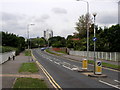

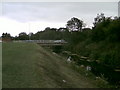
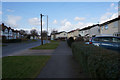
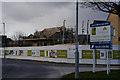
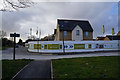
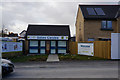
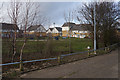
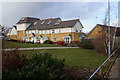
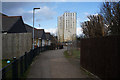
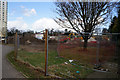
Area Information
Living in Ings Ward offers a compact living experience within a district borough unitary ward. The entire area spans just 2.1 square kilometres, meaning the locality is small and manageable. You will find yourself in an environment where distances are short and the community is tightly clustered. This inward-focused settlement serves as a distinct part of the wider local government structure in England. Homebuyers here can expect a setting that prioritises proximity over expansiveness. Your daily routine involves navigating a neighbourhood where every street and facility is left within easy reach. The sheer size of the ward limits urban sprawl and encourages a slower pace of life compared to larger urban districts. When you consider homes in Ings Ward, you are choosing a location defined by its constrained footprint. This geographical reality shapes the daily rhythm of life for everyone who calls this place home. The area functions as a cohesive unit where the boundaries between private property and public space remain clear. Your perspective of the surrounding landscape will be consistent because the physical limits of the ward are well defined. A quick walk or drive across the entire region covers the whole district in minutes. This compactness makes exploring local amenities simple and reduces travel time for essential errands. You will appreciate how the small scale fosters a direct connection between residents and their immediate environment.
- Area Type
- District Borough Unitary Ward
- Area Size
- 2.1 km²
- Population
- Not available
- Population Density
- Not available
Demographics
The demographic profile of Ings Ward reveals a community with a distinct age skew. The median age for residents sits at 70, indicating a predominantly older population. Most households in this ward consist of individuals or couples later in life rather than young families or single professionals. You will encounter a neighbourhood where retirement and established living patterns define the social fabric. Home ownership stands at 61 per cent, which suggests a majority of residents possess their own properties outright or with mortgages. This high rate of ownership aligns with the older demographic, as many wealthier generations prefer to hold onto their assets. The data shows the household composition reflects this mature profile rather than a mix of diverse family types. Accommodation types throughout the ward cater primarily to those with mobility and lifestyle needs suited for seniors. Diversity and ethnic groups present do not receive specific statistical breakdowns in the current datasets, so detailed demographic shifts remain unquantified. Religion statistics for the area are similarly unavailable, meaning you cannot assume a specific spiritual dominance without further evidence. Deprivation levels are not explicitly rated in the provided figures, so the quality of life must be inferred from housing stability and broadband access. You can conclude that life here is secure, with residents largely invested in their long-term homes. The average age suggests a quieter atmosphere focused on community maintenance rather than constant renewal.
Household Size
Accommodation Type
Tenure
Ethnic Group
Religion
Household Composition
Age
Household Deprivation
NS-SEC
Explore more demographic insights in this area
Go to Demographics tabPlanning
Planning Constraints
- Flood RiskPremium
- Ramsar Wetland SitesPremium
- Area of Outstanding Natural BeautyPremium
- Protected Nature ReservePremium
- Protected WoodlandPremium
- Crime RiskPremium