Area Overview for Helperby and Brafferton
Photos of Helperby and Brafferton
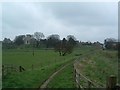
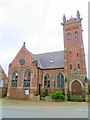
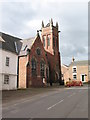
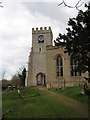
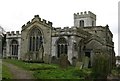
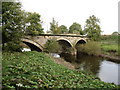
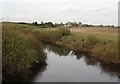
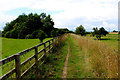
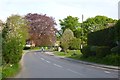
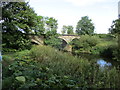
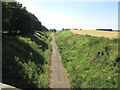
Area Information
Living in Helperby and Brafferton offers a compact, well-defined community within a 31.6-hectare built-up area. This part of England is characterised by its modest size and the presence of established local institutions. The area’s demographic profile suggests a mature population, with a median age of 70, indicating a community that may lean towards retirees or long-term residents. Daily life here is likely shaped by proximity to nearby amenities, including three RAF bases and five retail outlets, which provide practical conveniences. The area’s safety score of 92/100 highlights a low crime risk, a factor that could appeal to those prioritising security. While the data does not specify the exact nature of local employment or cultural hubs, the presence of a primary school with a ‘good’ Ofsted rating suggests a focus on family-oriented living. For those considering Helperby and Brafferton, the balance of safety, accessibility, and community cohesion may make it a viable choice for those seeking a settled, low-maintenance environment. The area’s size and infrastructure appear tailored to meet the needs of its residents without excessive sprawl.
- Area Type
- Built Up Area 250
- Area Size
- 31.6 hectares
- Population
- Not available
- Population Density
- Not available
Residents of Helperby and Brafferton have access to five retail outlets, including Spar, Morrisons Boroughbridge, and Morrisons Daily, which provide essential shopping options within practical reach. The presence of three RAF bases—RAF Dishforth, RAF Topcliffe, and RAF Linton-On-Ouse—adds a unique character to the area, potentially offering employment opportunities or services related to military operations. While the data does not specify parks or leisure facilities, the proximity to these bases may indicate nearby recreational spaces or community amenities. The combination of retail options and military infrastructure suggests a lifestyle that balances practicality with a distinct local identity. For those prioritising convenience, the availability of nearby shops and services could enhance daily living, though additional information on leisure options would provide a fuller understanding of the area’s lifestyle offerings.
Amenities
Schools
The nearest school to Helperby and Brafferton is St Peter’s Brafferton Church of England Voluntary Aided Primary School, which serves the local community with a ‘good’ Ofsted rating. This primary school is the only educational institution explicitly mentioned in the data, though the absence of secondary schools or other educational facilities is notable. The presence of a single primary school suggests that families may need to travel to nearby areas for secondary education. However, the school’s ‘good’ rating indicates a satisfactory standard of teaching and facilities, which could be a key consideration for prospective residents with young children. The limited range of schools in the immediate vicinity may influence decisions about proximity to other educational institutions, but the existing school provides a baseline of quality for primary-level education in the area.
| Rank | A + A* % | School | Type | Entry gender | Ages |
|---|---|---|---|---|---|
| 1 | N/A | St Peter's Brafferton Church of England Voluntary Aided Primary School | primary | N/A | N/A |
Explore more schools in this area
Go to Schools tabDemographics
The population of Helperby and Brafferton has a median age of 70, with the most common age range encompassing the total population. This suggests a community that is predominantly older, potentially reflecting a high proportion of retirees or long-term residents. Home ownership stands at 72%, indicating a strong presence of owner-occupied properties. The data does not specify household composition or accommodation types, but the overall figures imply a stable, possibly family-oriented demographic. The predominant ethnic group and religious composition are not detailed, though the absence of specific figures does not detract from the area’s apparent homogeneity. The lack of detailed deprivation data means quality of life factors such as access to services or economic hardship are not quantified here. However, the low crime risk and proximity to amenities suggest a generally secure and well-supported environment for residents of all ages.
Household Size
Accommodation Type
Tenure
Ethnic Group
Religion
Household Composition
Age
Household Deprivation
NS-SEC
Explore more demographic insights in this area
Go to Demographics tabPlanning
Planning Constraints
- Crime RiskLocked