Area Overview for Featherstone (Wakefield)
Photos of Featherstone (Wakefield)
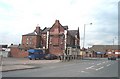
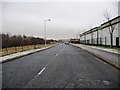
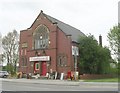
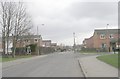
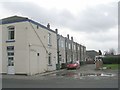
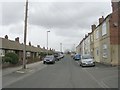
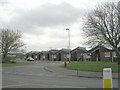
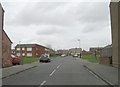
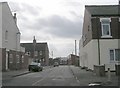
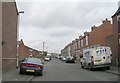
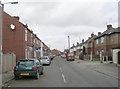
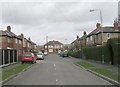
Area Information
Living in Featherstone offers a distinct experience within the Wakefield district, characterised by a compact, built-up footprint. This town covers an area of just 3.4 square kilometres, creating a defined urban environment where daily life unfolds closely. You will find that the layout is typical of a historic mining town, with settlement patterns reflecting its industrial heritage. The centre provides easy access to essential services without the sprawl of larger metropolitan hubs. Residents in Featherstone benefit from a strong sense of community within these tight borders. The locality serves as a self-contained unit where shopping, transport, and leisure facilities are within practical reach. This density means you do not need long journeys for most routine tasks. The area functions as a practical base for families and professionals looking for a settled, town-centre lifestyle rather than a sprawling suburban expanse. Your time here is spent navigating a familiar streetscape where local amenities support a steady rhythm of daily life.
- Area Type
- Built Up Area 250
- Area Size
- 3.4 km²
- Population
- Not available
- Population Density
- Not available
Your days in Featherstone are supported by a cluster of nearby amenities within practical reach. Retailing is well-catered for by Lidl Featherstone and Aldi Featherstone, both offering essential groceries close to home. If you require larger supermarkets, Asda Pontefract provides a further option for bulk shopping and wider variety. These high street and out-of-town retailers form the commercial centre around which daily errands revolve. Rail travel is another convenient facet of your lifestyle, with five railway stations in your vicinity. Featherstone Railway Station is right on your doorstep, while Streethouse Railway Station and Pontefract Tanshelf Railway Station offer alternative connections near by. This density of rail access allows you to commute to Wakefield or Leeds with minimal planning. Combining local high street shopping with excellent rail links creates a lifestyle where convenience and mobility inform your daily choices.
Amenities
Schools
Families looking for schools near Featherstone will find a primary-focused educational landscape directly within the town. You have five main options listed for your children, ranging from infant schools to junior institutions. Featherstone Girnhill Infant School operates solely at the infant level, covering the early stages of compulsory education. Featherstone Purston Infant School holds a good Ofsted rating, providing a reassuring standard for those prioritising quality early education. Further down the chain, Featherstone North Featherstone Junior and Infant School also carries a good Ofsted rating, offering a strong option for younger children. For slightly older pupils, Featherstone Purston St Thomas Church of England Voluntary Controlled Junior School is available, currently rated satisfactory. All Saints Featherstone CofE (VA) Junior Infant and Nursery School also serves the primary sector. While there are no secondary schools listed in the immediate data, this mix of primary colleges means families often look outward for secondary education. The presence of multiple primary schools with varied ratings suggests a community that values home-based learning options for younger children.
| Rank | School | Type | Entry gender | Ages |
|---|
Explore more schools in this area
Go to Schools tabDemographics
The community in Featherstone plays host to a specific age profile that defines its character. The median age for residents is 70 years, indicating a population significantly skewed towards older adults. Without a primary population of working-age youth or young professionals, the town feels quieter compared to areas with younger demographics. This older age range suggests a community accustomed to a slower pace of life and established routines. Home ownership remains a central feature of life here, with 63 per cent of households owning their property. This high percentage reflects stability and a long-term commitment to the local area. Accommodation types and social composition follow this trend, prioritising settled living over transient rentals. While specific data on ethnicity or religion is not available in the current records, the demographic weight points clearly towards an older, owner-occupied society. Those considering homes in this area should expect a neighbourhood where long-term residents dominate the local culture and social interactions.
Household Size
Accommodation Type
Tenure
Ethnic Group
Religion
Household Composition
Age
Household Deprivation
NS-SEC
Explore more demographic insights in this area
Go to Demographics tabPlanning
Planning Constraints
- Crime RiskPremium