Area Overview for Farnhill
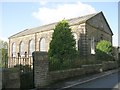
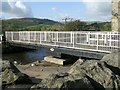
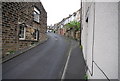
Photos of Farnhill
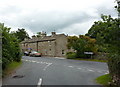
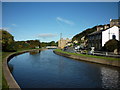
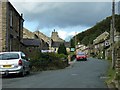

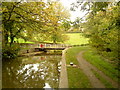
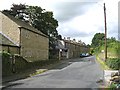
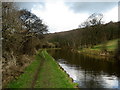
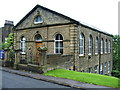
Area Information
Farnhill is a compact built-up area in England, spanning 25.7 hectares. It is a place where older residents form a significant portion of the population, with a median age of 70. This suggests a community rooted in stability, where many residents may have lived for decades. The area’s small size means it is likely a quiet, close-knit neighbourhood, with amenities and services within easy reach. Farnhill’s proximity to rail networks and local shops indicates it is well-served for daily needs, while its low crime risk score of 86/100 reinforces a sense of security. For those considering living in Farnhill, the combination of practical infrastructure, safety, and a mature demographic offers a distinct lifestyle compared to busier urban areas. The presence of nearby primary schools and multiple railway stations further positions it as a convenient choice for families or commuters. Understanding Farnhill’s character begins with recognising its balance of simplicity and accessibility, making it a viable option for those seeking a settled, low-maintenance environment.
- Area Type
- Built Up Area 250
- Area Size
- 25.7 hectares
- Population
- Not available
- Population Density
- Not available
Farnhill’s proximity to amenities enhances its practicality for daily life. The area is within reach of five retail outlets, including Asda Cross, Morrisons Daily, and Co-op Cross, providing essential shopping options. Nearby railway stations, such as Cononley and Skipton, and metro stops like Embsay, offer convenient transport links for commuting or exploring further afield. While the data does not mention parks or leisure facilities, the availability of multiple retail and transport options suggests a focus on accessibility over expansive recreational spaces. The presence of these amenities supports a lifestyle where convenience and connectivity are prioritised, making Farnhill a viable choice for those seeking a balance between simplicity and practicality.
Amenities
Schools
The nearest school to Farnhill is Kildwick Church of England Voluntary Controlled Primary School, which provides education for younger children. This school has an Ofsted rating of ‘good’, indicating a satisfactory standard of teaching and facilities. While no secondary schools are listed in the data, the presence of a primary school suggests that families with young children may find Farnhill a practical location. The school’s rating reflects a baseline of quality, though further research would be needed to assess the full range of educational options available to older students. For those prioritising proximity to schools, Farnhill’s primary school offers a reliable starting point, though the absence of secondary school data means families should explore additional resources.
| Rank | A + A* % | School | Type | Entry gender | Ages |
|---|---|---|---|---|---|
| 1 | N/A | Kildwick Church of England Voluntary Controlled Primary School | primary | N/A | N/A |
Explore more schools in this area
Go to Schools tabDemographics
The population of Farnhill is predominantly older, with a median age of 70. This age profile suggests a community where retirement is common, and many residents may have long-standing ties to the area. Home ownership is high, with 84% of households owning their homes, reflecting a stable, settled population. The data does not specify household types or diversity, but the high ownership rate implies a lower proportion of rental properties and transient residents. The accommodation types are not detailed, but the overall demographic picture points to a neighbourhood where long-term residency is the norm. This contributes to a cohesive, familiar social fabric. For those considering Farnhill, the age demographic and ownership figures highlight a community that prioritises continuity over rapid change, offering a quieter, more predictable lifestyle.
Household Size
Accommodation Type
Tenure
Ethnic Group
Religion
Household Composition
Age
Household Deprivation
NS-SEC
Explore more demographic insights in this area
Go to Demographics tabPlanning
Planning Constraints
- Crime RiskLocked