Area Overview for DN37 7HQ
Photos of DN37 7HQ
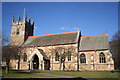
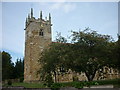
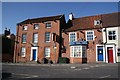
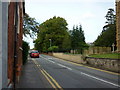
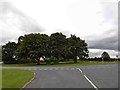
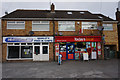
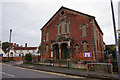
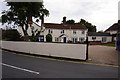
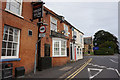
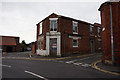
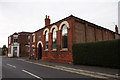
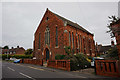
Area Information
DN37 7HQ is a small, tightly packed residential area in England, covering just 1.0 hectares and home to 2008 residents. Its population density of 1,379 people per square kilometre reflects a compact, community-focused layout. This postcode cluster is notable for its mature demographic, with a median age of 47 and a majority of residents aged 30–64. The area is predominantly owner-occupied, with 79% of homes owned by their residents, and most properties are houses rather than flats. Daily life here is characterised by a quiet, established feel, with limited commercial or industrial presence. Proximity to primary schools and nearby railway stations suggests a balance between convenience and tranquillity. While the area lacks major urban amenities, its small size means residents are likely to know their neighbours and share a sense of local identity. For buyers seeking a low-maintenance, family-oriented environment with minimal planning constraints, DN37 7HQ offers a straightforward, uncluttered living experience.
- Area Type
- Postcode
- Area Size
- 1.0 hectares
- Population
- 2008
- Population Density
- 1379 people/km²
The property market in DN37 7HQ is heavily skewed towards owner-occupation, with 79% of homes owned by residents. This suggests a lack of rental demand, possibly due to the area’s small size and limited appeal to transient populations. The accommodation type is predominantly houses, which are more common than flats or other forms of housing. This configuration may indicate a focus on family homes, though the area’s compact nature means properties are likely modest in size. Buyers should consider that the small postcode area offers limited scope for expansion or development, and the immediate surroundings may not provide a wide range of property options. The high home ownership rate also implies that properties here may retain value over time, particularly if the community remains stable. However, the lack of commercial or industrial infrastructure could limit future growth potential.
House Prices in DN37 7HQ
Showing 25 properties
| Address | Type | Beds | Baths | Last Sale Price | Last Sale Date | |
|---|---|---|---|---|---|---|
| 16 Keith Crescent, Laceby, DN37 7HQ | Semi-detached | 2 | 1 | £129,000 | Oct 2025 | |
| 24 Keith Crescent, Laceby, DN37 7HQ | Bungalow | 3 | 1 | £161,000 | Sep 2025 | |
| 22 Keith Crescent, Laceby, DN37 7HQ | Semi-detached | 4 | 1 | £58,000 | Jul 2025 | |
| 6 Keith Crescent, Laceby, DN37 7HQ | Bungalow | 2 | 1 | £116,000 | Jan 2025 | |
| 42 Keith Crescent, Laceby, DN37 7HQ | Bungalow | 3 | - | £157,500 | Nov 2021 | |
| 18 Keith Crescent, Laceby, DN37 7HQ | Bungalow | 3 | 1 | £159,000 | Jun 2021 | |
| 8 Keith Crescent, Laceby, DN37 7HQ | Semi-detached | 4 | 1 | £151,000 | Feb 2019 | |
| 20 Keith Crescent, Laceby, DN37 7HQ | Bungalow | 3 | 2 | £114,950 | Jan 2016 | |
| 28 Keith Crescent, Laceby, DN37 7HQ | Bungalow | 3 | - | £108,000 | Oct 2011 | |
| 30 Keith Crescent, Laceby, DN37 7HQ | Semi-detached | - | - | £91,500 | Dec 2009 |
Energy Efficiency in DN37 7HQ
Residents of DN37 7HQ have access to a modest range of amenities within practical reach. The retail sector includes five notable venues: Lincolnshire Co-operative Co-op hire, Spar, and Morrisons Grange. These shops provide essential services such as groceries, general retail, and hire options, though the selection is limited compared to larger towns. The area’s rail connectivity adds to its appeal, with five nearby stations offering links to broader transport networks. While there are no named parks or leisure facilities in the data, the absence of planning constraints like protected woodlands or AONB areas suggests open space may be available locally. The combination of retail, rail, and low environmental restrictions creates a functional, if unadorned, lifestyle. For those prioritising convenience over luxury, DN37 7HQ offers a self-contained, practical living environment with minimal need to travel beyond the immediate vicinity.
Amenities
Schools
Residents of DN37 7HQ have access to two primary schools: Stanford Junior and Infant School and Laceby Stanford Primary Academy. Both institutions cater to younger children, providing essential early education for families in the area. The presence of two primary schools within practical reach suggests a focus on local schooling, reducing the need for long commutes. However, the data does not include Ofsted ratings or secondary school options, so families seeking comprehensive education may need to look further afield. The concentration of primary schools aligns with the area’s demographic profile, which includes a significant proportion of adults aged 30–64—likely parents of school-age children. While the schools are conveniently located, the absence of secondary education within the postcode means parents should plan for additional travel or consider nearby towns for higher education.
| Rank | School | Type | Entry gender | Ages |
|---|
Explore more schools in this area
Go to Schools tabDemographics
The community in DN37 7HQ is predominantly composed of adults aged 30–64, with a median age of 47. This suggests a stable, mature population, likely with established careers and families. Home ownership is high at 79%, indicating a strong preference for long-term residency over rental properties. The accommodation type is almost entirely houses, which aligns with the area’s compact size and residential focus. The predominant ethnic group is White, reflecting a homogenous demographic profile. With no data on deprivation or diversity beyond this, the area appears to cater to a specific demographic seeking a settled, low-density lifestyle. The high population density of 1,379 people per square kilometre, combined with the small area size, implies a tightly knit community where social interactions are likely frequent. This profile may appeal to those prioritising stability over urban dynamism.
Household Size
Accommodation Type
Tenure
Ethnic Group
Religion
Household Composition
Age
Household Deprivation
NS-SEC
Explore more demographic insights in this area
Go to Demographics tabPlanning
Planning Constraints
- Flood RiskPremium
- Ramsar Wetland SitesPremium
- Area of Outstanding Natural BeautyPremium
- Protected Nature ReservePremium
- Protected WoodlandPremium