Area Overview for Dalton-on-Tees
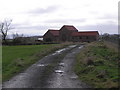
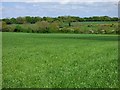
Photos of Dalton-on-Tees
Area Information
Living in Dalton-on-Tees offers a specific type of quiet Residencial life in a civil parish that spans 6.6 square kilometres. This Newcastle-under-Lyme neighbourhood lacks the noise of a major town, providing instead a setting where residents can enjoy relative seclusion. The area functions as a distinct community within the wider region, characterised by its compact size and residential focus. You will find that daily life here revolves around local familiarity rather than urban bustle. The land use is tightly controlled within this small geographical footprint, meaning amenities are likely clustered close together for easy access. The demographic profile suggests a settled population accustomed to this slower pace. Most residents own their homes outright or have significant equity, indicating stability within the community. This is not a transient area where people move frequently; it is a place where families and long-term residents often stay. The absence of significant planning constraints related to wetlands or nature reserves simplifies how the landscape is maintained and managed. You are looking at a location where the built environment has a long history, reflected in the high rate of homeownership. If you value a neighbourhood where you know your neighbours and where the community structure holds together over decades, Dalton-on-Tees fits that description. The area size limits sprawl, keeping the streets and public spaces manageable. While environmental designations like Areas of Outstanding Natural Beauty are absent, the local character remains defined by the existing housing stock rather than new development pressures. This creates a straightforward environment for those seeking a home in a known, if small, parish. The community feel is direct, unmediated by the layers of population density found in larger towns.
- Area Type
- Parish
- Area Size
- 6.6 km²
- Population
- Not available
- Population Density
- Not available
Demographics
The community in Dalton-on-Tees is predominantly made up of older residents. Data shows the median age is exactly 70 years. This figure indicates that when you survey the population, half of the people living here are older than seventy. This age profile shapes every aspect of daily life in the parish. Local services, from retail options to public transport, are likely tailored to meet the needs of this senior demographic. You will find that many households consist of retired couples or single older adults who have put down roots in the area for the long term. Homeownership dictates the social fabric significantly. A staggering 78% of residences are owned by the occupier. This high level of ownership creates a stakeholder model where residents are physically invested in the maintenance and condition of their properties. It also signals financial stability across the board. The remaining 22% of occupants likely include renters, but they remain a minority in this specific housing market. The accommodation types reflect this history, with a stock that has aged alongside the population itself. Because the resident base is so elderly, the pace of change in local businesses or infrastructure may be slower than in areas with younger families. This demographic reality influences the types of amenities that thrive locally. For someone considering buying a home here, you must understand that the community is built around the lifestyle of retirement and later life rather than active parenting or commuting. The age range is skewed heavily towards the total population of older adults, making it a distinct choice for buyers compared to suburbs with school-aged children.
Household Size
Accommodation Type
Tenure
Ethnic Group
Religion
Household Composition
Age
Household Deprivation
NS-SEC
Explore more demographic insights in this area
Go to Demographics tabPlanning
Planning Constraints
- Flood RiskLocked
- Ramsar Wetland SitesLocked
- Area of Outstanding Natural BeautyLocked
- Protected Nature ReserveLocked
- Protected WoodlandLocked
- Crime RiskLocked