Area Overview for Castley
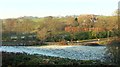
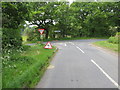
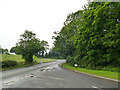
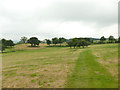
Photos of Castley
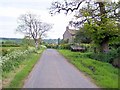
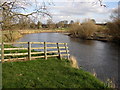
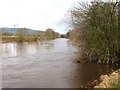
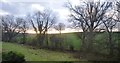
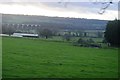
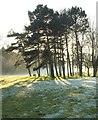
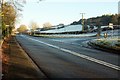
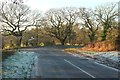
Area Information
Living in Castley means residing in a very small civil parish that covers just 2.1 square kilometres. This compact size defines the daily experience for residents, creating an environment where distances are short and the community is tightly knit. The area is unique because of its isolated nature and the specific constraints that shape its development. You will find that life here moves at a pace determined by the limited infrastructure available within these boundaries. There are no large towns or industrial hubs immediately adjacent to the parish, which fosters a quiet and secluded lifestyle. Prospective buyers must weigh the benefits of this tranquillity against the practicalities of accessing wider facilities elsewhere. The sheer scale of the parish means that you will not find sprawling residential estates, but rather a concentrated settlement pattern. Every decision regarding your home purchase involves understanding how your location fits into this small geographical footprint. Castley presents a straightforward equation of space and lifestyle restriction. The area does not offer the variety found in larger municipalities, yet it provides a distinct character for those seeking absolute proximity to nature. Any home you choose will be part of this tightly defined landscape.
- Area Type
- Parish
- Area Size
- 2.1 km²
- Population
- Not available
- Population Density
- Not available
Demographics
The community in Castley is defined by a very elderly population, with a median age of 70 years. This demographic reality shapes every aspect of local life and services. Exactly 84% of households in the parish are owner-occupied, indicating a stable environment where residents have long-term security. This high rate of home ownership contrasts sharply with the younger age profile found in many urban centres. The most common age groups within the parish align with this older demographic trend, creating a community where multi-generational families are rare. Households are predominantly composed of individuals or couples in later life stages. The area does not support a significant student population or young professional cohort. You are buying into a neighbourhood where social interactions often revolve around retirement activities and established local routines. The lack of younger families reduces the demand for certain types of schools and playgrounds within the parish limits. When considering living in Castley, you must accept that the social fabric is woven from long-term residents rather than transient workers. This stability offers peace but limits the diversity of daily life.
Household Size
Accommodation Type
Tenure
Ethnic Group
Religion
Household Composition
Age
Household Deprivation
NS-SEC
Explore more demographic insights in this area
Go to Demographics tabPlanning
Planning Constraints
- Flood RiskPremium
- Ramsar Wetland SitesPremium
- Area of Outstanding Natural BeautyPremium
- Protected Nature ReservePremium
- Protected WoodlandPremium
- Crime RiskPremium