Area Overview for Burley
Photos of Burley
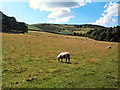
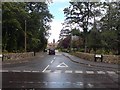
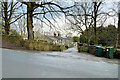
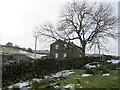
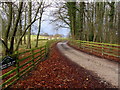
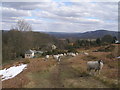
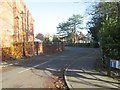
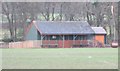
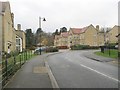
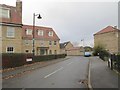
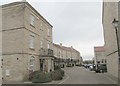
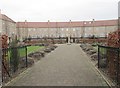
Area Information
Burley in Wharfedale is a civil parish located in the City of Bradford, West Yorkshire. This village sits within the Wharfedale valley and covers an area of 12.4 km². A population of 1444 residents currently call this location home. The parish achieved separate civil status on 1 April 2006, following a history of mergers and administrative changes dating back to the 19th century. Local residents frequent historical landmarks such as St Mary's Church, consecrated in 1856, and Burley Hall, which operates as an elderly residential home. The community values its connection to the River Wharfe, evidenced by the presence of Greenholme Mills and the Pudding Tree Garden. Daily life here reflects a blend of rural tranquility and historical depth. You will find the landscape shaped by former industrial sites adapted for modern use. The parish trail features 20 plaques marking significant local history. Living in Burley means accepting a small-town atmosphere where the past remains visible in the architecture and land use. The area offers a distinct character defined by its valley location and conservation of heritage sites. ### The demographic profile of Burley shows a population where the median age is 70 years. This figure indicates a community dominated by older residents and those who have lived in the area for a long time. Home ownership stands at 92 percent within the parish. This high rate suggests that most people in Burley buy their homes rather than rent. The household composition data confirms that ownership is the primary mode of accommodation. You do not find significant rental markets driving local transactions. Ethnic group and specific religion data are not provided in the available records for this parish. With a population density of 116 people per square kilometre, the village maintains a low density spread typical of rural settlements. The age structure implies that families with young children may be less common than empty-nesters or retirees. If you are buying a home here, you enter a market where settled residents dominate. The community feel likely reflects the preferences of an older demographic seeking stability and quiet neighbours. ### The housing market in Burley is overwhelmingly characterised by owner-occupancy. Data shows that 92 percent of homes in Burley are owner-occupied. This statistic means you will find very few private rental properties available for purchase to investors. The accommodation stock is primarily formed by individuals who have lived in the parish for decades. Historical sites like the Corn Mill have been converted to housing since around 2012, adding to the existing stock. Burley Hall functions as an elderly residential home, indicating some adaptation of large properties for specific care needs. The market does not suggest a high turnover environment typical of generic commuter towns. Instead, the high ownership percentage points to a stable market where properties change hands less frequently. Buyers looking at Burley should expect to compete against other purchasers rather than landlords. The types of homes available will largely reflect previous owner modifications and local planning permissions. You will not encounter large blocks of social housing as the ownership model dictates. ### Digital connectivity allows residents to maintain strong links to the outside world. Fixed broadband quality scores at 78 out of 100, indicating good service for most internet-related tasks. Mobile network coverage also performs well with a score of 85 out of 100. These figures suggest reliable connections for working from home, streaming services, and general daily internet use. Living in Burley does not compromise your access to high-speed communications. The infrastructure supports remote work requirements effectively. Most residents can expect uninterrupted service for video calls and large file downloads. The combination of broadband and mobile scores ensures that isolation in the Wharfedale valley does not equate to digital disconnection. You do not face significant challenges with latency or coverage gaps in the village. The connectivity levels are sufficient for modern households managing full-time online activities. Residents can rely on uninterrupted internet access for household management, education, and recreation. ### Safety assessments for Burley indicate a secure environment for residents and property owners. Crime risk presents a low danger level with a score of 88 out of 100. This places the area well below the national average for criminal activity. You can expect below-average crime rates while living in Burley. Flood risk is also minimal, recorded at a score of 5.25 based on low coverage of flood-prone land. This means the immediate vicinity of the village is not significantly threatened by water saturation. However, planning constraints introduce specific environmental considerations. The area contains protected nature reserves, recorded with a score of 32.29 out of 100. This designation implies restrictions on new development within those specific zones. There are no Ramsar wetland sites, areas of outstanding natural beauty coverage, or protected woodland within the parish boundaries. These factors result in scores of zero for those specific constraint categories. Council planners must adhere to the rules protecting the nature reserves, which may affect future building projects. Overall, the physical safety and environmental constraints offer a stable framework for living. ### Who typically lives in Burley and does it feel like a tight-knit community? The median age of residents is 70 years, meaning the community is predominantly older. Home ownership stands at 92 percent, indicating that most households are long-term owners rather than renters. With a population of 1444 across 12.4 km², the settlement maintains a low density feel. You will find a population structure built around stability and heritage. Is the internet reliable enough for working from home in Burley? Digital infrastructure supports remote work effectively. Fixed broadband has a quality score of 78 out of 100, and mobile coverage scores 85 out of 100. These levels represent good service for the area. Residents can expect reliable connections for video conferencing and everyday data needs without significant disruption. Are there any safety concerns regarding crime or flooding? Crime risk is low with a score of 88 out of 100, placing the area below national averages for offences. Flood risk is also minimal with a score of 5.25. The primary environmental constraint is the presence of protected nature reserves, which limits development but does not pose a safety threat to residents.
- Area Type
- Parish
- Area Size
- 12.4 km²
- Population
- 1444
- Population Density
- 116 people/km²
Demographics
The demographic profile of Burley shows a population where the median age is 70 years. This figure indicates a community dominated by older residents and those who have lived in the area for a long time. Home ownership stands at 92 percent within the parish. This high rate suggests that most people in Burley buy their homes rather than rent. The household composition data confirms that ownership is the primary mode of accommodation. You do not find significant rental markets driving local transactions. Ethnic group and specific religion data are not provided in the available records for this parish. With a population density of 116 people per square kilometre, the village maintains a low density spread typical of rural settlements. The age structure implies that families with young children may be less common than empty-nesters or retirees. If you are buying a home here, you enter a market where settled residents dominate. The community feel likely reflects the preferences of an older demographic seeking stability and quiet neighbours. ### The housing market in Burley is overwhelmingly characterised by owner-occupancy. Data shows that 92 percent of homes in Burley are owner-occupied. This statistic means you will find very few private rental properties available for purchase to investors. The accommodation stock is primarily formed by individuals who have lived in the parish for decades. Historical sites like the Corn Mill have been converted to housing since around 2012, adding to the existing stock. Burley Hall functions as an elderly residential home, indicating some adaptation of large properties for specific care needs. The market does not suggest a high turnover environment typical of generic commuter towns. Instead, the high ownership percentage points to a stable market where properties change hands less frequently. Buyers looking at Burley should expect to compete against other purchasers rather than landlords. The types of homes available will largely reflect previous owner modifications and local planning permissions. You will not encounter large blocks of social housing as the ownership model dictates. ### Digital connectivity allows residents to maintain strong links to the outside world. Fixed broadband quality scores at 78 out of 100, indicating good service for most internet-related tasks. Mobile network coverage also performs well with a score of 85 out of 100. These figures suggest reliable connections for working from home, streaming services, and general daily internet use. Living in Burley does not compromise your access to high-speed communications. The infrastructure supports remote work requirements effectively. Most residents can expect uninterrupted service for video calls and large file downloads. The combination of broadband and mobile scores ensures that isolation in the Wharfedale valley does not equate to digital disconnection. You do not face significant challenges with latency or coverage gaps in the village. The connectivity levels are sufficient for modern households managing full-time online activities. Residents can rely on uninterrupted internet access for household management, education, and recreation. ### Safety assessments for Burley indicate a secure environment for residents and property owners. Crime risk presents a low danger level with a score of 88 out of 100. This places the area well below the national average for criminal activity. You can expect below-average crime rates while living in Burley. Flood risk is also minimal, recorded at a score of 5.25 based on low coverage of flood-prone land. This means the immediate vicinity of the village is not significantly threatened by water saturation. However, planning constraints introduce specific environmental considerations. The area contains protected nature reserves, recorded with a score of 32.29 out of 100. This designation implies restrictions on new development within those specific zones. There are no Ramsar wetland sites, areas of outstanding natural beauty coverage, or protected woodland within the parish boundaries. These factors result in scores of zero for those specific constraint categories. Council planners must adhere to the rules protecting the nature reserves, which may affect future building projects. Overall, the physical safety and environmental constraints offer a stable framework for living. ### Who typically lives in Burley and does it feel like a tight-knit community? The median age of residents is 70 years, meaning the community is predominantly older. Home ownership stands at 92 percent, indicating that most households are long-term owners rather than renters. With a population of 1444 across 12.4 km², the settlement maintains a low density feel. You will find a population structure built around stability and heritage. Is the internet reliable enough for working from home in Burley? Digital infrastructure supports remote work effectively. Fixed broadband has a quality score of 78 out of 100, and mobile coverage scores 85 out of 100. These levels represent good service for the area. Residents can expect reliable connections for video conferencing and everyday data needs without significant disruption. Are there any safety concerns regarding crime or flooding? Crime risk is low with a score of 88 out of 100, placing the area below national averages for offences. Flood risk is also minimal with a score of 5.25. The primary environmental constraint is the presence of protected nature reserves, which limits development but does not pose a safety threat to residents.
Household Size
Accommodation Type
Tenure
Ethnic Group
Religion
Household Composition
Age
Household Deprivation
NS-SEC
Explore more demographic insights in this area
Go to Demographics tabPlanning
Planning Constraints
- Flood RiskPremium
- Ramsar Wetland SitesPremium
- Area of Outstanding Natural BeautyPremium
- Protected Nature ReservePremium
- Protected WoodlandPremium
- Crime RiskPremium