Area Overview for Bugthorpe
Photos of Bugthorpe
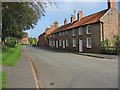
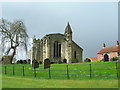
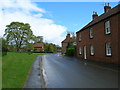
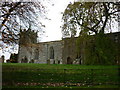
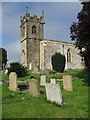
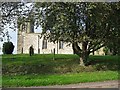
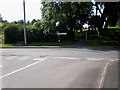
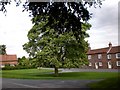
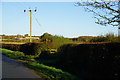
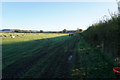
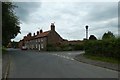
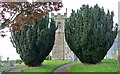
Area Information
Bugthorpe is a small civil parish in England that spans an area of 7.8 square kilometres. Living in Bugthorpe offers a quiet rural setting where the landscape and community节奏 tend to move at a slower pace compared to larger towns. The parish provides a distinct alternative to urban living for those seeking a more secluded environment. You will find a landscape free from major planning constraints like protected woodlands or wetlands, allowing the local character to develop without strict ecological barriers. The community feels established and stable, reflecting a population with a higher proportion of older residents. Daily life here prioritises proximity to nature and a low-key lifestyle rather than rapid commercial growth. While the area lacks some of the amenities found in larger counties, it maintains a safe environment for families and retirees alike. The absence of flood risks or significant safety concerns makes it a practical choice for homebuyers who value stability. You can expect a neighbourhood where the pace of life is dictated by the seasons and community needs. This makes Bugthorpe an ideal location for养老金 recipients or those who prefer a homely, residential feel. The small size of the parish means that local traditions and social structures often remain intact.
- Area Type
- Parish
- Area Size
- 7.8 km²
- Population
- Not available
- Population Density
- Not available
Demographics
The people of Bugthorpe represent a distinctly mature community, with a median age of 70 years. This high average suggests that you are likely to meet many retirees or older residents when joining the local community. The demographic profile indicates that the population is skewed significantly towards older age groups, which shapes the local demand and social activities. Home ownership stands at 55 per cent, meaning that just over half of the households own their homes outright or with a mortgage. The remaining households reside in rented accommodation, reflecting a balanced but slightly owner-occupied market. Household composition data points to a traditional family and lone-pensioner structure typical of rural English parishes. You will not find the high turnover common in student cities or young professional hubs. The community feel is likely more settled, with residents having deep roots in the parish. This stability benefits the local economy and supports a quiet, predictable atmosphere. The absence of varied ethnic or religious demographic data in the provided records suggests a predominantly traditional local population. This lack of diversity often correlates with homogeneous social networks where neighbours know each other well.
Household Size
Accommodation Type
Tenure
Ethnic Group
Religion
Household Composition
Age
Household Deprivation
NS-SEC
Explore more demographic insights in this area
Go to Demographics tabPlanning
Planning Constraints
- Flood RiskPremium
- Ramsar Wetland SitesPremium
- Area of Outstanding Natural BeautyPremium
- Protected Nature ReservePremium
- Protected WoodlandPremium
- Crime RiskPremium