Area Overview for Brotherton
Photos of Brotherton

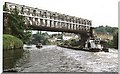
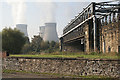




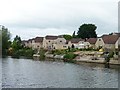
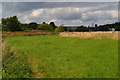
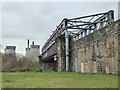
Area Information
Brotherton is a compact built-up area in England, spanning 33.5 hectares. Its character is shaped by a population with a median age of 70, reflecting a community that leans towards older residents. The area is positioned near Knottingley and Pontefract, with practical access to nearby towns via rail links. Daily life here is influenced by its proximity to essential services, including two primary schools and a range of retail outlets. While Brotherton is not a sprawling suburb, its size means it balances local amenities with the convenience of nearby urban hubs. The presence of 64% home ownership suggests a mix of long-term residents and renters, though the data does not specify the proportion of new versus established properties. For those considering living here, the area offers a quiet, established environment with accessible transport and a focus on community needs. However, the older demographic may mean a different pace of life compared to younger, more dynamic areas. Brotherton is not for those seeking a fast-paced, high-density lifestyle, but it suits those prioritising stability and proximity to essential services.
- Area Type
- Built Up Area 250
- Area Size
- 33.5 hectares
- Population
- Not available
- Population Density
- Not available
Brotherton’s lifestyle is shaped by its proximity to essential amenities, including retail outlets such as Morrisons Knottingley, Lidl Knottingley, and Tesco Castleford. These supermarkets provide access to groceries, household items, and convenience services, reducing the need for long trips to larger towns. The area’s rail stations—Knottingley, Pontefract Monkhill, and Pontefract Baghill—offer practical links to nearby urban centres, enhancing mobility for shopping, work, or leisure. While the data does not mention parks or leisure facilities, the presence of multiple retail and transport options suggests a focus on practicality over expansive recreational spaces. For residents, this means a lifestyle that prioritises accessibility and efficiency, though it may lack the green spaces or cultural venues found in more sprawling areas. The compact nature of Brotherton ensures that daily needs are met within a short distance, making it suitable for those who value convenience over sprawling amenities.
Amenities
Schools
Brotherton is served by two primary schools: Brotherton and Byram Community Primary School, and Brotherton and Byram Community Primary Academy. The latter holds an Ofsted rating of ‘good’, indicating a school that meets standards in teaching quality and student outcomes. Both institutions cater to younger children, though the data does not specify secondary education options nearby. The presence of two primary schools suggests a focus on early education, which is important for families with young children. However, the absence of secondary schools or further education facilities in the data means parents may need to look beyond Brotherton for comprehensive schooling. The ‘good’ rating at one school offers reassurance, but the overall school landscape here is limited to primary education, which may be a consideration for those planning for long-term family needs.
| Rank | School | Type | Entry gender | Ages |
|---|
Explore more schools in this area
Go to Schools tabDemographics
Brotherton’s population is defined by its median age of 70, indicating a community predominantly composed of older individuals. This age profile suggests a demographic that may have settled in the area long-term, with fewer younger families or professionals. The data does not specify household composition or accommodation types, but 64% of homes are owner-occupied, implying a stable housing market with a focus on long-term residency. There is no information on ethnic diversity or religious composition, but the absence of specific categories suggests the data is aggregated at a broad level. The area’s older population may influence local services, with amenities tailored to mature residents. For prospective buyers, this demographic could mean a quieter, less congested environment but may also indicate limited demand for family-oriented housing. The lack of detailed diversity metrics means Brotherton’s social fabric remains somewhat opaque, though the data confirms a consistent, older community profile.
Household Size
Accommodation Type
Tenure
Ethnic Group
Religion
Household Composition
Age
Household Deprivation
NS-SEC
Explore more demographic insights in this area
Go to Demographics tabPlanning
Planning Constraints
- Crime RiskPremium