Area Overview for BD7 4WQ
Photos of BD7 4WQ
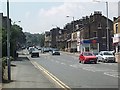
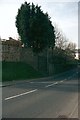
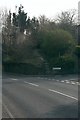
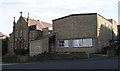
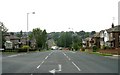
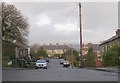
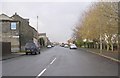
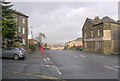
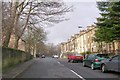
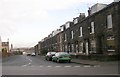
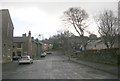
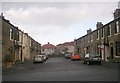
Area Information
Living in BD7 4WQ means residing in a small, defined postcode area within Great Horton, a conservation area in Bradford, West Yorkshire. This urban residential cluster, home to 1,899 people, sits approximately 2.5 miles south-west of Bradford city centre. The area preserves historic 17th- to 19th-century buildings alongside 19th-century workers’ housing, reflecting its industrial past. Its compact size and proximity to Bradford’s core offer a blend of historic charm and modern convenience. The area’s character is shaped by its conservation status, which safeguards its architectural heritage while accommodating urban growth. Residents benefit from nearby amenities, including retail outlets and rail links, and the area’s connectivity to Bradford’s transport network. Despite its small footprint, BD7 4WQ offers a distinct identity, rooted in its history as part of the ancient township of Horton. Its mix of older buildings and newer developments creates a lived-in, community-focused environment, ideal for those seeking a balance between tradition and accessibility.
- Area Type
- Postcode
- Area Size
- Not available
- Population
- 1899
- Population Density
- 6720 people/km²
The property market in BD7 4WQ is predominantly owner-occupied, with 70% of homes owned by residents rather than rented. This suggests a stable, long-term market with fewer short-term rental properties. The accommodation type is primarily houses, which are likely to be larger and more traditional in style, reflecting the area’s conservation status and historical development. This mix of older, historic homes and 19th-century workers’ housing creates a unique housing stock, appealing to buyers seeking characterful properties. However, the small size of the postcode area means the market is limited in scope, with limited options for new builds or modern developments. Buyers should consider the area’s focus on preservation, which may restrict alterations or extensions. The predominance of houses also implies a market skewed towards families or individuals seeking more space, rather than smaller flats or apartments.
House Prices in BD7 4WQ
No properties found in this postcode.
Energy Efficiency in BD7 4WQ
Residents of BD7 4WQ have access to essential amenities within practical reach. Retail options include major stores such as Tesco Bradford and Aldi Clayton, alongside smaller outlets like Heron Clayton, ensuring daily shopping needs are met. The area’s rail connectivity, with five nearby stations, provides easy access to Bradford’s transport network, facilitating travel to work, education, or leisure. For recreation, Horton Park—a public park opened in 1878—offers green space for walks, sports, or relaxation. The park’s design by William Gay and its inclusion of listed buildings nearby reflect the area’s historical significance. The mix of retail, transport, and green space contributes to a convenient, community-focused lifestyle. While the area is small, its proximity to Bradford’s core ensures residents can access broader urban amenities without long commutes.
Amenities
Schools
| Rank | School | Type | Entry gender | Ages |
|---|
Explore more schools in this area
Go to Schools tabDemographics
The population of BD7 4WQ has a median age of 47, with the most common age range being adults aged 30–64. This suggests a mature, stable community with a focus on established households. Home ownership is high at 70%, indicating a strong presence of long-term residents and a market dominated by owner-occupied properties. The predominant accommodation type is houses, which aligns with the area’s residential character and conservation status. The predominant ethnic group is Asian_total, reflecting the area’s cultural diversity. While specific deprivation data is not provided, the high home ownership rate and age profile suggest a relatively stable socioeconomic environment. However, the demographic composition may influence local services and community dynamics. The absence of detailed deprivation metrics means broader implications for quality of life remain unquantified.
Household Size
Accommodation Type
Tenure
Ethnic Group
Religion
Household Composition
Age
Household Deprivation
NS-SEC
Explore more demographic insights in this area
Go to Demographics tabPlanning
Planning Constraints
- Flood RiskPremium
- Ramsar Wetland SitesPremium
- Area of Outstanding Natural BeautyPremium
- Protected Nature ReservePremium
- Protected WoodlandPremium