Area Overview for BD7 4RH
Photos of BD7 4RH
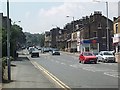
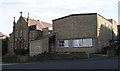
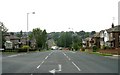
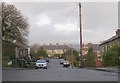
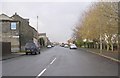
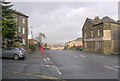
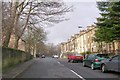
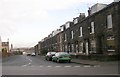
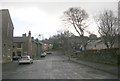
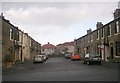
Area Information
Living in BD7 4RH means inhabiting a compact, densely populated residential cluster within the City of Bradford, West Yorkshire. The area covers 7,315 square metres and is home to 1,899 people, translating to a population density of 259,620 people per square kilometre. This small postcode is part of the historic Great Horton ward, a conservation area preserving 17th- to 19th-century architecture amid urban expansion. The area’s character is defined by its mix of traditional buildings, including listed structures like Hall’s House and the Old Bell Chapel, alongside modern housing. Proximity to Bradford city centre—just 2.5 miles away—offers easy access to employment, retail, and transport hubs. Daily life here balances the quiet charm of a conservation area with the convenience of nearby amenities. The community is predominantly middle-aged, with a strong presence of owner-occupied homes and a notable Asian population. For those seeking a blend of heritage and practicality, BD7 4RH offers a distinct slice of Bradford’s evolving urban fabric.
- Area Type
- Postcode
- Area Size
- 7315 m²
- Population
- 1899
- Population Density
- 6720 people/km²
The property market in BD7 4RH is characterised by a high rate of home ownership—70%—with houses making up the predominant accommodation type. This suggests a market skewed toward owner-occupied properties rather than rental demand, which may influence both property values and availability. The small area size and high population density imply limited housing stock, potentially driving competition among buyers. Given the conservation area designation, properties here are likely to be older, with historic features that may appeal to buyers seeking character. However, the compact nature of the postcode means that buyers should consider nearby areas for additional options. The presence of listed buildings and traditional housing styles may also affect renovation potential, requiring careful evaluation of planning constraints. For those prioritising heritage and stability, BD7 4RH offers a niche market with distinct advantages.
House Prices in BD7 4RH
Showing 20 properties
| Address | Type | Beds | Baths | Last Sale Price | Last Sale Date | |
|---|---|---|---|---|---|---|
| 42 Windermere Road, Bradford, BD7 4RH | Semi-detached | 3 | - | £250,000 | Oct 2024 | |
| 43 Windermere Road, Bradford, BD7 4RH | Terraced | 4 | 1 | £220,000 | Oct 2024 | |
| 46 Windermere Road, Bradford, BD7 4RH | house | - | - | £179,950 | Mar 2021 | |
| 36 Windermere Road, Bradford, BD7 4RH | Semi-detached | 3 | 1 | £142,500 | Dec 2019 | |
| 41 Windermere Road, Bradford, BD7 4RH | house | - | - | £100,000 | Nov 2018 | |
| 48 Windermere Road, Bradford, BD7 4RH | Semi-detached | 3 | 1 | £150,000 | Jan 2017 | |
| 52 Windermere Road, Bradford, BD7 4RH | house | - | - | £120,000 | Jun 2016 | |
| 39 Windermere Road, Bradford, BD7 4RH | Terraced | 3 | 1 | £126,000 | Apr 2015 | |
| 33 Windermere Road, Bradford, BD7 4RH | house | - | - | £87,500 | Sep 2008 | |
| 27 Windermere Road, Bradford, BD7 4RH | Terraced | 3 | 2 | £128,000 | Apr 2008 |
Energy Efficiency in BD7 4RH
Residents of BD7 4RH have access to a range of local amenities within practical reach. Retail options include Aldi Clayton, Heron Clayton, and Tesco Bradford, offering everyday shopping needs. The area’s rail network, with stations such as Bradford Interchange and Bradford Forster Square, provides easy access to public transport, enhancing connectivity to Bradford’s broader services. Nearby, Horton Park—a public park opened in 1878—offers green space for recreation, a rarity in densely populated areas. The conservation area status of Great Horton adds historical and architectural interest, with listed buildings like Hall’s House and the Old Bell Chapel contributing to the area’s distinct character. These amenities combine practicality with cultural richness, supporting a lifestyle that balances convenience with heritage. The compact nature of the postcode means that daily errands and leisure activities can be managed efficiently, reinforcing the area’s appeal.
Amenities
Schools
| Rank | School | Type | Entry gender | Ages |
|---|
Explore more schools in this area
Go to Schools tabDemographics
The population of BD7 4RH is 1,899, with a median age of 47, indicating a mature demographic. The most common age range is adults aged 30–64, suggesting a stable community with a focus on long-term residence. Home ownership is high at 70%, reflecting a preference for private property over rentals. The area is composed primarily of houses, which contrasts with other parts of Bradford that may lean toward flats or terraced housing. The predominant ethnic group is Asian_total, highlighting cultural diversity in the ward. This demographic profile shapes a community where established residents form the majority, with limited data on younger or transient populations. The high home ownership rate and age profile suggest a neighbourhood prioritising stability over rapid change, with residents likely invested in local amenities and infrastructure.
Household Size
Accommodation Type
Tenure
Ethnic Group
Religion
Household Composition
Age
Household Deprivation
NS-SEC
Explore more demographic insights in this area
Go to Demographics tabPlanning
Planning Constraints
- Flood RiskPremium
- Ramsar Wetland SitesPremium
- Area of Outstanding Natural BeautyPremium
- Protected Nature ReservePremium
- Protected WoodlandPremium