Area Overview for BD7 4QP
Photos of BD7 4QP
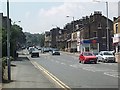
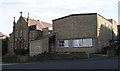
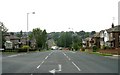
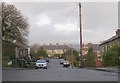
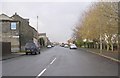
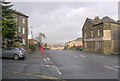
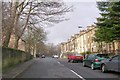
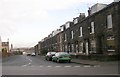
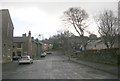
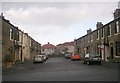
Area Information
Living in BD7 4QP means being part of a tightly knit residential cluster within the historic Great Horton ward of Bradford. This small area, covering just 1.4 hectares, is home to 1,899 residents, making it one of the most densely populated places in England, with 134,096 people per square kilometre. Despite its compact size, the area retains historical character, with 17th- to 19th-century buildings preserved in the designated conservation area. Residents are within easy reach of Bradford’s city centre, 2.5 miles to the northeast, and benefit from proximity to Horton Park, opened in 1878. Daily life here is shaped by a mix of urban convenience and historic charm, with a focus on local amenities and transport links. The area’s compact nature means a strong sense of community, though the high density can impact living space. For those seeking a blend of heritage and modernity, BD7 4QP offers a unique slice of Bradford’s evolving landscape.
- Area Type
- Postcode
- Area Size
- 1.4 hectares
- Population
- 1899
- Population Density
- 6720 people/km²
BD7 4QP is primarily an owner-occupied area, with 70% of homes owned by residents rather than rented. The accommodation type is predominantly houses, which contrasts with the high population density, indicating smaller homes or shared living spaces. This suggests a market where properties are likely to be family homes, possibly with limited availability due to the area’s small size. Buyers should consider the compact nature of the area, as the 1.4-hectare footprint offers little room for expansion. The focus on houses rather than flats may appeal to those seeking more space, but the high density could mean competition for properties. For those prioritising proximity to Bradford’s amenities and historic sites, BD7 4QP offers a niche market with distinct character, though potential buyers must weigh the benefits of heritage against the constraints of a densely populated environment.
House Prices in BD7 4QP
Showing 35 properties
| Address | Type | Beds | Baths | Last Sale Price | Last Sale Date | |
|---|---|---|---|---|---|---|
| 39 Hollybank Road, Bradford, BD7 4QP | house | - | - | £245,000 | Mar 2025 | |
| 6 Hollybank Road, Bradford, BD7 4QP | Terraced | 2 | 1 | £133,000 | Jun 2024 | |
| 8 Hollybank Road, Bradford, BD7 4QP | Terraced | 2 | 1 | £126,000 | Dec 2023 | |
| 10 Hollybank Road, Bradford, BD7 4QP | house | - | - | £130,000 | Mar 2023 | |
| 17 Hollybank Road, Bradford, BD7 4QP | Retail | 4 | 1 | £186,000 | Feb 2022 | |
| 32 Hollybank Road, Bradford, BD7 4QP | Bungalow | 3 | - | £180,000 | Sep 2020 | |
| 20 Hollybank Road, Bradford, BD7 4QP | Detached | 4 | 2 | £205,000 | Jun 2020 | |
| 22 Hollybank Road, Bradford, BD7 4QP | house | - | - | £250,000 | May 2020 | |
| 41 Hollybank Road, Bradford, BD7 4QP | Semi-detached | 3 | 1 | £121,000 | Dec 2019 | |
| 31 Hollybank Road, Bradford, BD7 4QP | Semi-detached | 3 | 1 | £185,000 | Aug 2018 |
Energy Efficiency in BD7 4QP
Residents of BD7 4QP have access to a range of nearby amenities that support a practical lifestyle. The area’s retail options include major stores like Tesco Bradford and Aldi Clayton, ensuring everyday shopping needs are met. For transport, five railway stations—such as Bradford Interchange and Forster Square—provide frequent connections to the wider region. The nearby Horton Park, opened in 1878, offers green space for recreation, while the conservation area’s historic buildings, including 17th-century cottages and listed sites like the Old Bell Chapel, add cultural value. The mix of retail, transport, and heritage sites creates a lifestyle that balances convenience with a sense of place. Despite the area’s small size, the proximity to these amenities ensures that daily life remains efficient and enriched by local character.
Amenities
Schools
| Rank | School | Type | Entry gender | Ages |
|---|
Explore more schools in this area
Go to Schools tabDemographics
The population of BD7 4QP is predominantly adults aged 30–64, with a median age of 47. This suggests a mature, settled community, likely with established careers and families. Home ownership is high at 70%, indicating a preference for long-term residency over rental properties. The area is characterised by houses rather than flats, reflecting a traditional housing stock. The predominant ethnic group is Asian, which influences the cultural fabric of the community. The high population density—134,096 people per square kilometre—means limited space per person, which could affect quality of life in terms of privacy and outdoor space. However, the presence of conservation areas and historic sites suggests a balance between density and heritage preservation. This demographic profile points to a community that values stability, cultural diversity, and historical continuity.
Household Size
Accommodation Type
Tenure
Ethnic Group
Religion
Household Composition
Age
Household Deprivation
NS-SEC
Explore more demographic insights in this area
Go to Demographics tabPlanning
Planning Constraints
- Flood RiskPremium
- Ramsar Wetland SitesPremium
- Area of Outstanding Natural BeautyPremium
- Protected Nature ReservePremium
- Protected WoodlandPremium