Area Overview for BD7 3BS
Photos of BD7 3BS
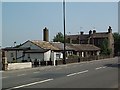
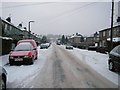
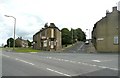
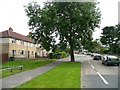
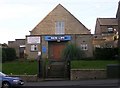
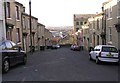
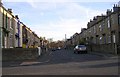
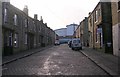
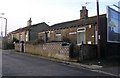
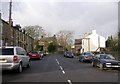
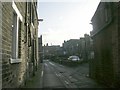
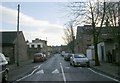
Area Information
Living in BD7 3BS means being part of a densely populated, compact residential cluster at the heart of Bradford’s city centre. This postcode covers just 3.2 hectares, yet it houses 1,683 people, translating to a population density of over 53,000 per square kilometre. The area is defined by its urban boundaries, falling within the City Ward of Bradford, a historic and administrative hub in West Yorkshire. Daily life here is shaped by proximity to the city’s core, with easy access to rail networks and retail hubs. The median age of 22 contrasts with the most common age range of 30–64, suggesting a mix of young professionals and established residents. The area’s demographic profile, dominated by the Asian community, adds to its cultural vibrancy. While small in size, BD7 3BS is a microcosm of urban living, blending high density with essential services. Its location within the inner ring road positions it as a central, though compact, part of Bradford’s broader metropolitan fabric.
- Area Type
- Postcode
- Area Size
- 3.2 hectares
- Population
- Not available
- Population Density
- Not available
The property market in BD7 3BS is shaped by a 38% home ownership rate, meaning most residents rent their homes. This suggests a rental-dominated market, which could influence competition for available properties and pricing trends. The accommodation type is primarily houses, though the area’s compact size of 3.2 hectares and high population density imply that housing stock is likely to be terraced or semi-detached, given the limited space. For buyers, this small area’s immediate surroundings may offer limited options, requiring a broader search beyond BD7 3BS. The high density also means proximity to amenities, but it could create challenges in finding larger properties. Potential buyers should consider the area’s urban character, which may appeal to those prioritising convenience over space, while acknowledging the rental market’s dynamics.
House Prices in BD7 3BS
Showing 43 properties
| Address | Type | Beds | Baths | Last Sale Price | Last Sale Date | |
|---|---|---|---|---|---|---|
| 124 Cecil Avenue, Bradford, BD7 3BS | Semi-detached | 2 | 1 | £147,000 | Nov 2024 | |
| 133 Cecil Avenue, Bradford, BD7 3BS | house | 3 | - | £140,000 | Jun 2022 | |
| 123 Cecil Avenue, Bradford, BD7 3BS | Bungalow | 5 | 1 | £166,000 | Jan 2021 | |
| 110 Cecil Avenue, Bradford, BD7 3BS | Semi-detached | 2 | 1 | £88,000 | May 2020 | |
| 120 Cecil Avenue, Bradford, BD7 3BS | Bungalow | 3 | 1 | £101,000 | Jun 2019 | |
| 109 Cecil Avenue, Bradford, BD7 3BS | Semi-detached | 4 | 2 | £166,000 | Nov 2018 | |
| 113 Cecil Avenue, Bradford, BD7 3BS | Semi-detached | - | - | £105,000 | Mar 2017 | |
| 126 Cecil Avenue, Bradford, BD7 3BS | Semi-detached | 2 | 1 | £95,000 | Nov 2016 | |
| 114 Cecil Avenue, Bradford, BD7 3BS | Bungalow | - | - | £100,000 | Oct 2016 | |
| 108 Cecil Avenue, Bradford, BD7 3BS | house | 4 | - | £110,000 | Aug 2012 |
Energy Efficiency in BD7 3BS
Daily life in BD7 3BS is centred around its compact urban layout, with nearby amenities within practical reach. The area’s retail offerings include five notable stores, such as Asda Little and Tesco Bradford, providing convenience for shopping and daily essentials. For transport, five railway stations—Bradford Interchange, Forster Square, and others—offer direct links to the wider region, supporting both commuting and exploration. While the area lacks green spaces or parks, its proximity to Bradford’s city centre means residents can access cultural and recreational facilities elsewhere. The high population density fosters a sense of community, though it may also contribute to a fast-paced, urban environment. The availability of retail and rail options makes BD7 3BS a practical choice for those prioritising convenience, though the absence of natural amenities may be a drawback for others.
Amenities
Schools
| Rank | School | Type | Entry gender | Ages |
|---|
Explore more schools in this area
Go to Schools tabDemographics
The population of BD7 3BS is predominantly adults aged 30–64, with a median age of 22, indicating a youthful presence alongside a mature demographic. Home ownership here is relatively low at 38%, suggesting a rental market dominates, which may influence property availability and affordability. The area is characterised by houses as the primary accommodation type, though the high population density of 53,343 per square kilometre implies closely spaced living. The predominant ethnic group is Asian, reflecting broader trends in Bradford’s multicultural identity. This density and demographic mix create a dynamic community, though it also raises questions about housing pressures and social cohesion. The low home ownership rate may indicate a transient population or reliance on rental properties, which could impact long-term stability for residents.
Household Size
Accommodation Type
Tenure
Ethnic Group
Religion
Household Composition
Age
Household Deprivation
NS-SEC
Explore more demographic insights in this area
Go to Demographics tabPlanning
Planning Constraints
- Flood RiskPremium
- Ramsar Wetland SitesPremium
- Area of Outstanding Natural BeautyPremium
- Protected Nature ReservePremium
- Protected WoodlandPremium