Area Overview for BD7 2PU
Photos of BD7 2PU
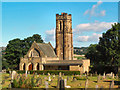
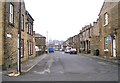
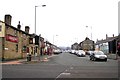
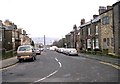
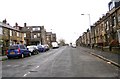
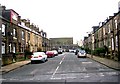
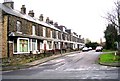
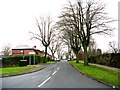
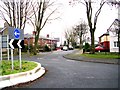
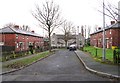
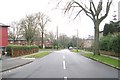
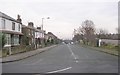
Area Information
BD7 2PU is a small, densely populated postcode area in England, covering just 1.2 hectares yet housing 1,956 residents. Situated in Great Horton, a historic ward within Bradford, it lies approximately 2.5 miles south-west of Bradford city centre. The area blends urban living with preserved heritage, as part of a conservation zone that safeguards 17th- to 19th-century buildings, including cottages, chapels, and former industrial sites. Daily life here is shaped by proximity to Bradford’s infrastructure, with easy access to rail networks and retail hubs. The community, predominantly adults aged 30–64, reflects a mix of long-standing residents and newer arrivals, with a significant proportion of the population identifying as Asian. Despite its compact size, the area offers a quiet residential character, with pockets of historic charm amid modern amenities. Its high population density—over 160,000 people per square kilometre—means it feels lively yet intimate, ideal for those seeking a balance between city convenience and a touch of tradition.
- Area Type
- Postcode
- Area Size
- 1.2 hectares
- Population
- Not available
- Population Density
- Not available
The property market in BD7 2PU is characterised by a 40% home ownership rate, with houses being the primary accommodation type. This suggests a mix of owner-occupied and rented properties, though the relatively low ownership rate may point to a higher proportion of rental demand. Given the area’s small size and high population density, the housing stock is likely concentrated in compact, older homes typical of the conservation area. These properties, many dating from the 17th to 19th centuries, may offer unique architectural features but could also require maintenance. Buyers should consider the area’s limited size, which may restrict property availability and competition for homes. The presence of listed buildings and historic sites adds character but could impose planning restrictions. For investors, the mix of rental potential and historic appeal might make BD7 2PU an attractive, though niche, option within Bradford’s broader market.
House Prices in BD7 2PU
Showing 45 properties
| Address | Type | Beds | Baths | Last Sale Price | Last Sale Date | |
|---|---|---|---|---|---|---|
| 35 Necropolis Road, Bradford, BD7 2PU | Semi-detached | 3 | - | £85,000 | Feb 2025 | |
| 6 Necropolis Road, Bradford, BD7 2PU | Terraced | 3 | 1 | £155,000 | Mar 2024 | |
| 31 Necropolis Road, Bradford, BD7 2PU | house | - | - | £135,000 | Jun 2022 | |
| 17 Necropolis Road, Bradford, BD7 2PU | Terraced | 4 | 1 | £100,000 | May 2021 | |
| 1 Necropolis Road, Bradford, BD7 2PU | house | - | - | £132,000 | Dec 2020 | |
| 51 Necropolis Road, Bradford, BD7 2PU | house | - | - | £60,500 | Jun 2019 | |
| 25 Necropolis Road, Bradford, BD7 2PU | house | - | - | £135,000 | Jan 2019 | |
| 3 Necropolis Road, Bradford, BD7 2PU | Terraced | 3 | 1 | £114,000 | Aug 2018 | |
| 22 Necropolis Road, Bradford, BD7 2PU | house | 4 | 1 | £110,000 | Nov 2016 | |
| 8 Necropolis Road, Bradford, BD7 2PU | Semi-detached | 4 | 1 | £122,000 | Sep 2016 |
Energy Efficiency in BD7 2PU
Living in BD7 2PU means access to a range of nearby amenities, including five retail outlets such as Aldi Clayton, Heron Clayton, and Asda Bradford. These shops provide essential services, though the area’s small size means larger supermarkets or specialist stores may require a trip to nearby Bradford. The proximity to rail stations, including Bradford Forster Square and Bradford Interchange, ensures easy access to public transport, connecting residents to the city’s cultural and commercial hubs. For leisure, Horton Park—a public park opened in 1878—offers green space for walks and recreation. The conservation area itself adds historical interest, with listed buildings and heritage sites like Hall’s House and the Old Bell Chapel. While the area lacks large-scale leisure facilities, its compact nature fosters a tight-knit community feel, with daily life centred around local shops, transport links, and the preserved historic character of Great Horton.
Amenities
Schools
| Rank | School | Type | Entry gender | Ages |
|---|
Explore more schools in this area
Go to Schools tabDemographics
The population of BD7 2PU is 1,956, with a median age of 47 and the majority of residents falling within the 30–64 age range. This suggests a mature, stable community with a focus on established households. Home ownership rates are 40%, indicating a mix of owner-occupied and rental properties. The predominant accommodation type is houses, which is unusual for a high-density area, hinting at a blend of traditional and newer housing stock. The predominant ethnic group is Asian_total, reflecting a culturally diverse demographic. This diversity is likely shaped by historical ties to Bradford’s industrial past and ongoing migration patterns. The age profile and ownership data suggest a community with a strong emphasis on family living, though the relatively low home ownership rate may indicate a reliance on rental markets or shared housing. The absence of specific deprivation data means the area’s quality of life is best inferred from its amenities and infrastructure.
Household Size
Accommodation Type
Tenure
Ethnic Group
Religion
Household Composition
Age
Household Deprivation
NS-SEC
Explore more demographic insights in this area
Go to Demographics tabPlanning
Planning Constraints
- Flood RiskPremium
- Ramsar Wetland SitesPremium
- Area of Outstanding Natural BeautyPremium
- Protected Nature ReservePremium
- Protected WoodlandPremium