Area Overview for BD7 2LY
Photos of BD7 2LY
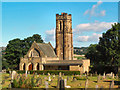
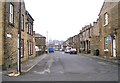
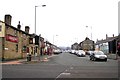
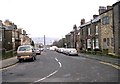
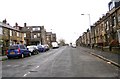
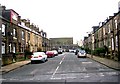
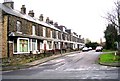
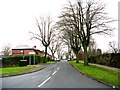
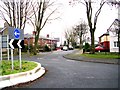
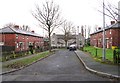
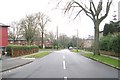
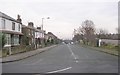
Area Information
BD7 2LY is a small, densely populated residential cluster in the City of Bradford, West Yorkshire. Covering just 1.1 hectares, it is home to 1,956 people, resulting in a population density of 178,782 people per square kilometre — a stark contrast to the surrounding areas. Situated approximately 2.5 miles south-west of Bradford city centre, this postcode lies within the Great Horton Conservation Area, a historic district preserving 17th- to 19th-century buildings amid urban expansion. The area’s character is defined by its mix of older structures, including workers’ housing from the 18th and 19th centuries, and more recent developments. Daily life here is shaped by its proximity to Bradford’s industrial heritage, with landmarks like Horton Park — opened in 1878 — offering green space. While the area is compact, it is served by multiple railway stations, including Bradford Interchange and Forster Square, linking residents to broader transport networks. The high population density and historic preservation create a unique blend of urban living and architectural legacy, though the small size means the community is tightly knit.
- Area Type
- Postcode
- Area Size
- 1.1 hectares
- Population
- Not available
- Population Density
- Not available
The property market in BD7 2LY is characterised by a 40% home ownership rate, with houses being the primary accommodation type. This indicates that while a portion of the housing stock is owner-occupied, the majority of properties are likely rented, creating a dynamic where landlords and tenants coexist. The presence of houses in a high-density area is noteworthy, as it suggests a mix of larger, more traditional properties alongside smaller homes. Given the area’s small size and conservation status, the housing stock is unlikely to expand significantly, making it a niche market for buyers seeking historic or characterful properties. The high population density may also mean that properties are in demand, particularly for those prioritising proximity to Bradford’s amenities. However, the limited space and compact nature of the area mean that buyers should consider the practicalities of living in a densely populated postcode, where space is at a premium.
House Prices in BD7 2LY
Showing 37 properties
| Address | Type | Beds | Baths | Last Sale Price | Last Sale Date | |
|---|---|---|---|---|---|---|
| 95 Clayton Road, Bradford, BD7 2LY | house | - | - | £95,000 | Jan 2025 | |
| 110 Clayton Road, Bradford, BD7 2LY | house | - | - | £215,000 | Jul 2024 | |
| 108 Clayton Road, Bradford, BD7 2LY | house | - | - | £230,000 | Jun 2023 | |
| 91 Clayton Road, Bradford, BD7 2LY | Semi-detached | 3 | 1 | £77,000 | Oct 2019 | |
| 126 Clayton Road, Bradford, BD7 2LY | house | - | - | £150,000 | Dec 2016 | |
| 130 Clayton Road, Bradford, BD7 2LY | house | - | - | £137,000 | Oct 2014 | |
| 92 Clayton Road, Bradford, BD7 2LY | house | - | - | £140,000 | Sep 2011 | |
| 106 Clayton Road, Bradford, BD7 2LY | house | - | - | £100,000 | Sep 2009 | |
| 112 Clayton Road, Bradford, BD7 2LY | house | - | - | £170,000 | Jan 2007 | |
| 89 Clayton Road, Bradford, BD7 2LY | Semi-detached | - | - | £102,000 | Sep 2006 |
Energy Efficiency in BD7 2LY
Living in BD7 2LY offers access to a range of essential retail and transport amenities within practical reach. The area is served by five retail outlets, including Aldi Clayton, Heron Clayton, and Tesco Bradford, providing everyday shopping convenience. For transport, five railway stations — such as Bradford Interchange and Forster Square — offer frequent services, connecting residents to Bradford’s broader network. While the area itself is small, its proximity to the Great Horton Conservation Area and nearby parks like Horton Park (though not explicitly listed in the data) suggests opportunities for leisure and recreation. The mix of historic buildings and modern infrastructure creates a distinct character, with daily life shaped by the availability of nearby shops and efficient rail links. However, the limited local amenities mean that residents may need to travel to nearby areas for more extensive services, balancing convenience with the need for connectivity.
Amenities
Schools
| Rank | School | Type | Entry gender | Ages |
|---|
Explore more schools in this area
Go to Schools tabDemographics
The median age in BD7 2LY is 47, with the majority of residents aged between 30 and 64 years. This suggests a mature, stable population, likely with established careers and families. Home ownership is relatively low at 40%, indicating that a significant portion of the housing stock is rented out, possibly to younger professionals or students. The predominant accommodation type is houses, which is unusual in a high-density area, suggesting a mix of larger properties and smaller homes. The predominant ethnic group is the Asian community, though specific percentages are not provided. The high population density — over 178,000 people per square kilometre — implies limited space per household, which may impact quality of life factors such as privacy and access to outdoor areas. This density, combined with the age profile, suggests a community that is both settled and potentially reliant on shared resources and local amenities.
Household Size
Accommodation Type
Tenure
Ethnic Group
Religion
Household Composition
Age
Household Deprivation
NS-SEC
Explore more demographic insights in this area
Go to Demographics tabPlanning
Planning Constraints
- Flood RiskPremium
- Ramsar Wetland SitesPremium
- Area of Outstanding Natural BeautyPremium
- Protected Nature ReservePremium
- Protected WoodlandPremium