Area Overview for BD7 1WU
Photos of BD7 1WU
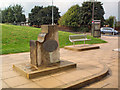
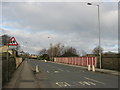
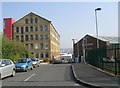
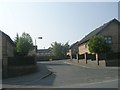
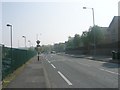
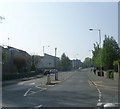
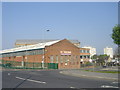
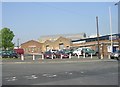
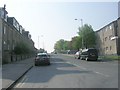
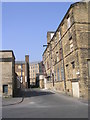
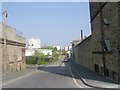
Area Information
Living in BD7 1WU means being part of a small, residential cluster in the City of Bradford, West Yorkshire. The area, part of Trident civil parish, lies south of Bradford city centre, encompassing Little Horton and West Bowling. With a population of 1,613, it is a compact community with a mix of 19th-century architecture, including listed buildings and remnants of the historic textile industry. The area’s proximity to Bradford’s core offers easy access to urban amenities while retaining a distinct residential character. Daily life here balances quiet neighbourhood living with the vibrancy of nearby city services. The postcode’s small size means residents share a tight-knit environment, though the area’s history as a former industrial hub adds layers of heritage to its modern appeal. For those seeking a blend of historical interest and practical urban living, BD7 1WU offers a snapshot of Bradford’s evolving identity.
- Area Type
- Postcode
- Area Size
- Not available
- Population
- Not available
- Population Density
- Not available
The property market in BD7 1WU is characterised by a relatively low home ownership rate of 38%, indicating that a majority of residents rent their homes. The accommodation type is predominantly houses, which contrasts with areas where flats or apartments dominate. This suggests a housing stock that leans towards larger, more traditional properties, potentially appealing to families or those seeking space. However, the low home ownership percentage implies a rental market that may influence availability and competition for buyers. For those considering purchase, the area’s small size means the immediate surroundings are key to assessing housing options. The focus on houses rather than newer developments may also reflect a slower pace of property turnover, offering stability for those looking to settle in the area.
House Prices in BD7 1WU
No properties found in this postcode.
Energy Efficiency in BD7 1WU
The lifestyle in BD7 1WU is shaped by its proximity to essential amenities, including five retail outlets like Spar Manchester and Lidl Bankfoot, which cater to daily shopping needs. The area’s rail network, with stations such as Bradford Interchange, ensures easy access to wider travel options. While the data does not specify parks or leisure facilities, the area’s historical character—marked by 19th-century listed buildings—adds cultural depth to daily life. The mix of retail and transport options supports a convenient, practical lifestyle, ideal for those prioritising accessibility over expansive recreational spaces. The community’s compact size fosters a sense of familiarity, with residents likely to know local shops and services by name.
Amenities
Schools
Residents of BD7 1WU have access to a range of educational institutions, including Newby Primary School, which holds an Ofsted rating of ‘good’. For secondary education, Dixons City Technology College and Dixons City Academy provide options, with the latter receiving an ‘outstanding’ rating. The area also includes Dixons Sixth Form, Bradford, catering to post-16 students. This mix of primary, secondary, and sixth-form colleges ensures families can access education at every stage. The presence of a highly rated academy suggests strong academic provision, though parents should consider proximity and catchment areas when selecting schools. The variety of institutions reflects the area’s commitment to educational diversity and accessibility.
| Rank | School | Type | Entry gender | Ages |
|---|
Explore more schools in this area
Go to Schools tabDemographics
The population of BD7 1WU has a median age of 22, but the most common age range is adults aged 30–64, indicating a mix of younger and middle-aged residents. Home ownership stands at 38%, suggesting a significant proportion of the population rents. The predominant accommodation type is houses, reflecting a traditional housing stock. The area’s ethnic composition is dominated by the Asian community, which constitutes the largest group. This demographic profile shapes a community with a strong presence of families and working-age adults. While the data does not specify deprivation levels, the combination of age ranges and home ownership suggests a dynamic but varied quality of life, with potential for both established and newer residents.
Household Size
Accommodation Type
Tenure
Ethnic Group
Religion
Household Composition
Age
Household Deprivation
NS-SEC
Explore more demographic insights in this area
Go to Demographics tabPlanning
Planning Constraints
- Flood RiskPremium
- Ramsar Wetland SitesPremium
- Area of Outstanding Natural BeautyPremium
- Protected Nature ReservePremium
- Protected WoodlandPremium