Area Overview for BD7 1QQ
Photos of BD7 1QQ
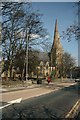
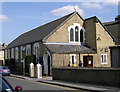
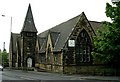
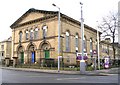
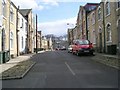
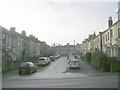
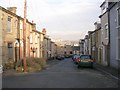
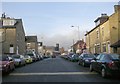
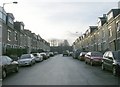
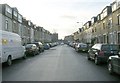
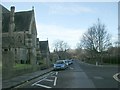
Area Information
Living in BD7 1QQ means being part of a small, tightly knit residential cluster within the City of Bradford, a historic urban centre in West Yorkshire. With a population of 2051, this area is compact yet connected to the broader Bradford region, which has a rich industrial and cultural heritage. The community here is defined by its proximity to the city’s core, offering easy access to urban amenities while retaining a distinct local character. The area’s small size means residents are likely to know their neighbours, and the presence of multiple railway stations within reach underscores its integration with regional transport networks. Daily life is shaped by the balance between urban convenience and the practical realities of a modest population. For those seeking a base in Bradford’s heart, BD7 1QQ offers a snapshot of the city’s evolving identity, where historical layers meet contemporary living needs. The area’s compact nature also means that residents are close to key services, though its size limits the diversity of local facilities compared to larger districts.
- Area Type
- Postcode
- Area Size
- Not available
- Population
- 2051
- Population Density
- 7622 people/km²
The property market in BD7 1QQ is characterised by a 40% home ownership rate, indicating that a majority of residents rent their homes. This suggests a rental market that may be influenced by the area’s compact size and limited housing stock. The accommodation type is primarily houses, which is atypical for a city-centre postcode, possibly reflecting a mix of older, family-oriented homes and newer developments. For buyers, this small area offers limited scope for property diversity, with homes likely to be concentrated in a few clusters. The low population density and focus on houses may appeal to those seeking space in an urban setting, though the area’s size means competition for properties could be fierce. Prospective buyers should consider proximity to transport links and amenities, as these are key differentiators in such a constrained market.
House Prices in BD7 1QQ
No properties found in this postcode.
Energy Efficiency in BD7 1QQ
The lifestyle in BD7 1QQ is shaped by its proximity to retail and transport hubs. Nearby amenities include five retail outlets, such as Asda Little, Lidl Bankfoot, and Spar Manchester, offering everyday shopping convenience. These stores cater to basic needs, though the absence of larger retail centres or dining options suggests a focus on practicality over leisure. The area’s rail network, with stations like Bradford Interchange and Forster Square, provides access to broader urban and regional destinations. While the data does not mention parks or leisure facilities, the presence of multiple rail stations and retail outlets implies a community prioritising accessibility over expansive recreational spaces. Daily life here is likely centred around these practical amenities, with residents relying on nearby transport links to access more extensive services beyond the immediate area.
Amenities
Schools
The nearest school to BD7 1QQ is Copthorne Primary School, which serves the area with an outstanding Ofsted rating. This primary school is listed twice in the data, reinforcing its significance as the sole named educational institution nearby. The absence of secondary schools in the provided data means families may need to look beyond the immediate vicinity for comprehensive schooling. However, the high rating of the primary school suggests a focus on early education quality, which could be a draw for families prioritising primary-level learning. The single school’s prominence highlights the need for broader planning when considering long-term educational needs, as the area lacks a range of school types. For those valuing strong primary education, Copthorne Primary School offers a clear advantage, though secondary options remain unaddressed in the data.
| Rank | School | Type | Entry gender | Ages |
|---|
Explore more schools in this area
Go to Schools tabDemographics
The community in BD7 1QQ is predominantly composed of adults aged 30–64, with a median age of 22, reflecting a mix of younger residents and working-age families. Home ownership here stands at 40%, suggesting a significant proportion of households are renters, possibly due to the area’s small size and limited housing stock. The accommodation type is primarily houses, which is unusual for a city-centre postcode, hinting at a blend of older properties and newer developments. The predominant ethnic group is Asian_total, indicating a culturally diverse population that contributes to the area’s social fabric. While no specific deprivation data is provided, the combination of age profile and home ownership suggests a community where families and professionals coexist. The absence of detailed socioeconomic breakdowns means broader assumptions about quality of life must be tempered, but the presence of schools and transport links implies efforts to support residents’ needs.
Household Size
Accommodation Type
Tenure
Ethnic Group
Religion
Household Composition
Age
Household Deprivation
NS-SEC
Explore more demographic insights in this area
Go to Demographics tabPlanning
Planning Constraints
- Flood RiskPremium
- Ramsar Wetland SitesPremium
- Area of Outstanding Natural BeautyPremium
- Protected Nature ReservePremium
- Protected WoodlandPremium