Area Overview for BD13 4YQ
Photos of BD13 4YQ
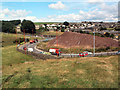
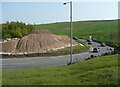
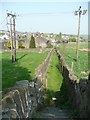
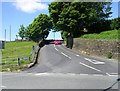
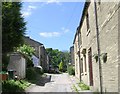
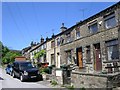
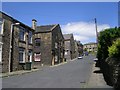
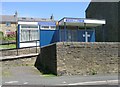
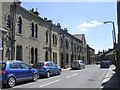
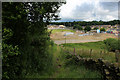
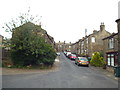
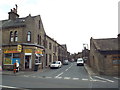
Area Information
Living in BD13 4YQ means inhabiting a small, tightly knit residential cluster in West Yorkshire, just 8 miles west of Bradford and within reach of Keighley and Halifax. The area’s population of 2137 people, spread over 4.89 km², creates a dense yet manageable community. Historically a rural hamlet shaped by Victorian textile mills, it now serves as a commuter hub for nearby cities. The name Denholme, of Viking origin, hints at its origins as a flat area amid hills, a landscape still visible today. Modern residents benefit from proximity to rail networks, with stations like Bingley and Keighley offering links to Leeds and Manchester. The area retains old-world charm, with Victorian housing and remnants of its industrial past, while newer residents seek a quieter, rural lifestyle. Daily life balances traditional values with modern connectivity, supported by broadband scores of 94 and mobile coverage of 85, ensuring reliable digital access. This is a place where history meets practicality, ideal for those wanting to live near major cities without sacrificing a sense of community.
- Area Type
- Postcode
- Area Size
- Not available
- Population
- 2137
- Population Density
- 439 people/km²
The property market in BD13 4YQ is dominated by owner-occupied homes, with 61% of properties owned by residents rather than rented. This reflects a community of long-term residents, many of whom may have purchased homes during the area’s transition from industrial to commuter suburb. The accommodation type is primarily houses, suggesting a preference for family homes or semi-detached properties. Given the small population and limited land area, the housing stock is likely constrained, making the area more attractive to buyers seeking a stable, low-density environment. The absence of high-rise or apartment blocks indicates a traditional, low-maintenance housing style. For buyers, this means a market focused on individual ownership rather than rental investment. However, the area’s proximity to major cities like Bradford and Keighley may appeal to those seeking a base for commuting, though property availability is likely limited due to the postcode’s small size.
House Prices in BD13 4YQ
No properties found in this postcode.
Energy Efficiency in BD13 4YQ
Life in BD13 4YQ combines rural tranquillity with practical amenities. Residents have access to five nearby Co-ops, including Denholme, Cullingworth, and Thornton, providing essential shopping and services. The area’s proximity to rail stations like Bingley and Keighley ensures easy travel to nearby cities, while metro stops at Oxenhope and Haworth add to connectivity. The landscape retains historical features, such as the old Roman road visible near St Paul’s Church, blending heritage with modern living. The character of the area is defined by its Victorian housing and former textile mill sites, now repurposed for light industry. This mix of old and new creates a lifestyle that appeals to those seeking a balance between tradition and convenience. With no major parks or leisure facilities listed, daily life is centered around local shops, transport links, and the surrounding natural scenery. The small community size fosters a sense of familiarity, though amenities remain focused on practicality over luxury.
Amenities
Schools
| Rank | School | Type | Entry gender | Ages |
|---|
Explore more schools in this area
Go to Schools tabDemographics
The population of BD13 4YQ is 2137, with a median age of 47 and the majority of residents aged 30–64. This suggests a community of established adults, many of whom may be retired or in their prime working years. Home ownership is strong, with 61% of properties occupied by owners, indicating a stable, long-term resident base. The area is predominantly composed of houses rather than flats, reflecting a preference for family-friendly or semi-detached living. The predominant ethnic group is White, though specific diversity metrics are not provided. The age profile suggests a mature demographic, which may influence local services and amenities. With no data on deprivation levels, it is difficult to assess economic challenges, but the high home ownership rate implies financial stability for many residents. The area’s character is shaped by its history as a former industrial village, now transitioning to a commuter suburb with a focus on traditional housing.
Household Size
Accommodation Type
Tenure
Ethnic Group
Religion
Household Composition
Age
Household Deprivation
NS-SEC
Explore more demographic insights in this area
Go to Demographics tabPlanning
Planning Constraints
- Flood RiskPremium
- Ramsar Wetland SitesPremium
- Area of Outstanding Natural BeautyPremium
- Protected Nature ReservePremium
- Protected WoodlandPremium