Area Overview for Weymouth
Photos of Weymouth
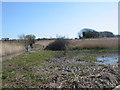

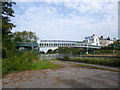
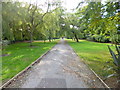
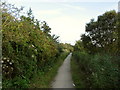


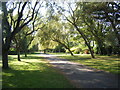
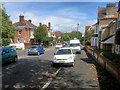

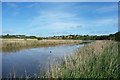

Area Information
Weymouth is a small, compact built-up area in England, covering 15.2 km² with a population of 1955 residents. Its low population density of 129 people per square kilometre suggests a quiet, unspoiled character, typical of coastal towns. The area’s demographic profile is notable for its high median age of 70, indicating a community skewed towards older residents. This makes Weymouth a place where retirement and low-paced living are central to daily life. The town’s proximity to amenities such as schools, rail stations, and a ferry terminal offers practical convenience without the hustle of larger urban centres. With a population of just over 1,900, the sense of community is likely strong, and local landmarks such as Radipole Primary School and Weymouth Railway Station are integral to the area’s rhythm. Living in Weymouth means access to essential services within walking or short driving distance, combined with a tranquil environment that contrasts with busier regions. For those seeking a slower, more relaxed lifestyle, the town’s size and amenities provide a self-contained, manageable living space.
- Area Type
- Built Up Area 250
- Area Size
- 15.2 km²
- Population
- 1955
- Population Density
- 129 people/km²
Living in Weymouth provides access to a range of amenities that support daily life. The area is served by five retail outlets, including major names like Tesco Weymouth, Iceland Weymouth, and Lidl Central, ensuring grocery and household needs are met locally. The presence of four rail stations—Weymouth, Upwey, and Dorchester South—offers easy access to regional transport networks, while the Weymouth Ferry Terminal connects residents to coastal destinations. Although the data does not specify parks or leisure facilities, the proximity to schools and retail suggests a community-oriented environment. The combination of shops, transport, and the ferry terminal creates a convenient lifestyle, with essential services within reach. For residents, this means reduced reliance on long commutes and the ability to enjoy local amenities without venturing far. The town’s character is defined by its practicality, with services arranged to meet the needs of its small population.
Amenities
Schools
Weymouth is served by several primary schools, including Beechcroft Infant School, Wyke Regis Infant School and Nursery, Westhaven Junior School, Bincombe Valley Primary School, and Radipole Primary School. Of these, Wyke Regis, Bincombe Valley, and Radipole have Ofsted ratings of ‘good’, reflecting a generally strong standard of education for younger children. The presence of multiple primary schools within the area ensures that families have options for their children’s early education, reducing the need for long commutes. The mix of schools, with some rated ‘good’, suggests that while not all institutions may meet the highest standards, the overall provision is adequate for local needs. For parents prioritising school quality, the ‘good’ ratings at three of the primary schools are a positive indicator. The availability of multiple schools also supports a community where education is a central concern, with opportunities for children to attend nearby institutions.
| Rank | School | Type | Entry gender | Ages |
|---|
Explore more schools in this area
Go to Schools tabDemographics
Weymouth’s population of 1955 residents has a median age of 70, the highest in the dataset, suggesting a community predominantly composed of older individuals. This age profile likely influences local dynamics, with a focus on retirement and leisure rather than family-oriented growth. Home ownership in the area stands at 67%, meaning a majority of residents own their homes, while the remaining 33% are likely renters. The data does not specify household composition or ethnic diversity, but the high median age may correlate with a higher proportion of single-person or couple households. The accommodation types are not detailed, but the ownership rate implies a stable property market with fewer transient residents. The lack of specific data on deprivation or diversity means these factors cannot be assessed, but the overall picture is of a mature, settled population with a strong emphasis on home ownership. For prospective buyers, this demographic suggests a market where properties are likely to remain occupied long-term, with demand driven by retirees seeking a quieter lifestyle.
Household Size
Accommodation Type
Tenure
Ethnic Group
Religion
Household Composition
Age
Household Deprivation
NS-SEC
Explore more demographic insights in this area
Go to Demographics tabPlanning
Planning Constraints
- Crime RiskPremium