Area Overview for PL7 2EA
Photos of PL7 2EA
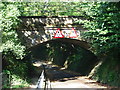

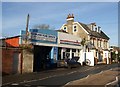



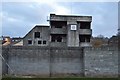
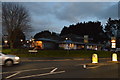


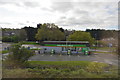
Area Information
Living in PL7 2EA offers a distinctly quiet residential experience within a highly concentrated settlement. This specific postcode covers a small residential cluster measuring just 7,400 square metres. Despite its tiny footprint, it serves approximately 1,816 people, resulting in a population density of 245,401 people per square kilometre. Such high density indicates that homes here are arranged in close proximity, creating a compact neighbourhood where daily life relies on immediate access to local streets and facilities. The area functions as a tight-knit community hub rather than a sprawling suburban estate. Prospective buyers will find that life in this location is defined by proximity to key Plymouth landmarks. You are situated moments away from Plymouth City Airport, providing easy access to regional travel links. Nearby transport nodes include Plymouth Railway Station, Devonport Railway Station, and Dockyard Railway Station, which simplify commuting into the city centre. The postal sector also touches close on retail anchors like Tesco Plympton, Aldi Galileo, and Iceland Plympton. These amenities are all within practical walking or cycling distance, removing the need for daily car journeys for routine tasks. This concentration of services makes PL7 2EA a convenient base for those who prioritise accessibility over vast garden spaces. Homes in this area cater to those seeking a central location with robust connectivity to wider Plymouth transport networks and shopping destinations.
- Area Type
- Postcode
- Area Size
- 7400 m²
- Population
- 1816
- Population Density
- 4895 people/km²
The property market in PL7 2EA is characterised by a strong preference for permanent residence over renting. With a home ownership rate of 65 per cent, the area functions primarily as an owner-occupied zone. This high proportion of owners suggests that homes in PL7 2EA are viewed as long-term assets and family bases rather than short-term lets. The acceleration of ownership trends often signals a demand for security and investment value, traits that attract buyers seeking stability in a specific postcode. The predominant accommodation type is houses, which shapes the architectural landscape and the nature of the streetscape. You will find terraced, semi-detached, and detached stock rather than high-rise flats or purpose-built apartment complexes. This housing typology supports the identified demographic of adults aged 30 to 64 years, who typically require the layout and space associated with domestic houses. For buyers looking at this small area and its immediate surroundings, the market offers a specific profile of domestic properties. Because the cluster is so small at 7,400 square metres, inventory levels may be naturally low. Competition could be fierce for available stock. The high ownership rate means that many properties will be sold rather than rented out. This dynamic creates a market focused on capital appreciation and move-up buyers. When evaluating homes in PL7 2EA, you should prioritise properties that suit established households, given the area's demographic composition and the prevalence of house ownership. The market logic here favours those seeking a permanent home base in a compact, dense environment.
House Prices in PL7 2EA
Showing 32 properties
| Address | Type | Beds | Baths | Last Sale Price | Last Sale Date | |
|---|---|---|---|---|---|---|
| 38 Westfield, Plymouth, PL7 2EA | Terraced | 3 | 1 | £223,000 | Jul 2023 | |
| 43 Westfield, Plymouth, PL7 2EA | house | - | - | £195,000 | Oct 2022 | |
| 68 Westfield, Plymouth, PL7 2EA | house | - | - | £170,000 | Aug 2021 | |
| 65 Westfield, Plymouth, PL7 2EA | house | 3 | - | £170,000 | Dec 2020 | |
| 51 Westfield, Plymouth, PL7 2EA | Terraced | 3 | 1 | £185,000 | Feb 2020 | |
| 78 Westfield, Plymouth, PL7 2EA | Terraced | 3 | 1 | £158,000 | Dec 2019 | |
| 42 Westfield, Plymouth, PL7 2EA | Terraced | 3 | 1 | £180,000 | Aug 2019 | |
| 50 Westfield, Plymouth, PL7 2EA | Terraced | 3 | 1 | £152,000 | Jun 2019 | |
| 72 Westfield, Plymouth, PL7 2EA | Terraced | 2 | 1 | £170,000 | Oct 2018 | |
| 37 Westfield, Plymouth, PL7 2EA | Terraced | 2 | - | £156,000 | Jul 2017 |
Energy Efficiency in PL7 2EA
Your daily lifestyle in PL7 2EA revolves around quick access to essential retail and leisure facilities, all situated within a compact radius. Convenient shopping is guaranteed by the presence of Tesco Plympton, Aldi Galileo, and Iceland Plympton. These supermarkets provide one-stop availability for groceries and household essentials, ensuring you do not need to travel far for daily provisions. The sheer number of available amenities within this small cluster enhances convenience significantly. Beyond retail, the area is strategically located near key transport and leisure gateways. You are close to Plymouth City Airport, which offers regional flight connections and creates an interesting dynamic for local residents. If your leisure time involves water activities, you can easily reach Plymouth Mount Batten Ferry Landing or Newton Ferrers Ferry Landing. These ferry points provide direct access to the coast and neighbouring settlements. For rail travellers, stations such as Plymouth Railway Station, Devonport Railway Station, and Dockyard Railway Station are within close proximity, simplifying journeys to Exeter, Bristol, or London. The density of amenities means that entertainment, dining, and shopping are always within minutes of your doorstep. You can combine a morning commute with a stop at a local railway station or a quick errand at Aldi Galileo. The blend of shopping, transport, and coastal ferry access defines the practical rhythm of life here. Living in PL7 2EA places you at the intersection of commerce, travel, and leisure, ensuring that routine tasks and occasional adventures require minimal effort to reach.
Amenities
Schools
| Rank | School | Type | Entry gender | Ages |
|---|
Explore more schools in this area
Go to Schools tabDemographics
The community in PL7 2EA reflects an established, mature population profile. The median age of residents is 47 years, and the most common age range comprises adults between 30 and 64 years old. This demographic skew suggests a neighbourhood dominated by mature families, empty nesters, or those further along in their career progression. Property buyers considering PL7 2EA should expect a settled environment rather than a transient student or young professional hub. Home ownership stands at 65 per cent, indicating that the majority of the population are owner-occupiers. This figure points to a stable community where residents have long-term roots in the area. The predominant accommodation type consists of houses, aligning with the socio-economic profile of the adult population. White ethnicity is the predominant group within this population, reflecting the broader traditional character of many English residential zones. Deprivation levels are not explicitly quantified in the current dataset, but the high home ownership rate often correlates with financial security and stability. Residents in PL7 2EA are likely prioritising housing stock suited for families or domestic living rather than investment rentals. This demographic reality means that local schools near PL7 2EA will likely see consistent enrolment from families with school-aged children. The concentration of adults in their working years also implies a consumer base that values practical amenities, reliable transport links, and secure housing environments. Living in PL7 2EA places you within a community defined by age maturity and property stability.
Household Size
Accommodation Type
Tenure
Ethnic Group
Religion
Household Composition
Age
Household Deprivation
NS-SEC
Explore more demographic insights in this area
Go to Demographics tabPlanning
Planning Constraints
- Flood RiskPremium
- Ramsar Wetland SitesPremium
- Area of Outstanding Natural BeautyPremium
- Protected Nature ReservePremium
- Protected WoodlandPremium