Area Overview for PL7 2DB
Photos of PL7 2DB
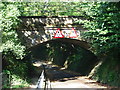

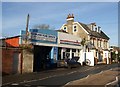
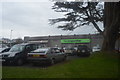
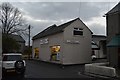

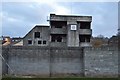
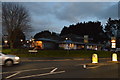

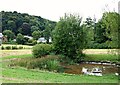
Area Information
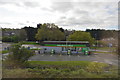
PL7 2DB represents a tightly knit residential cluster within the broader Plymouth region, covering just 1.4 hectares. This compact footprint supports a population of 1,532 people, creating a high-density community where neighbours are often close by. The postcode area is defined by its specific local character rather than wide-open spaces, yet it avoids the isolation common to smaller settlements. Residents here value the proximity to both immediate amenities and wider transport links that span the south-west. Daily life revolves around established routines supported by a mature infrastructure developed over decades. You move through an environment where the residential nature remains clear, shielded from large-scale industrial interference immediately adjacent to homes. The area has grown into a stable part of the local housing fabric, accommodating families and individuals who have put down roots in Plymouth. Living in PL7 2DB means choosing a spot that balances urban convenience with the quietude of a focused residential zone. It is a place where the daily commute starts from a reliable postcode known for its established status.
- Area Type
- Postcode
- Area Size
- 1.4 hectares
- Population
- 1532
- Population Density
- 2172 people/km²
The housing market in PL7 2DB is distinctly characterised by owner-occupancy, with 86% of dwellings held by their residents. This figure places the area firmly in the category of established owner-occupied neighbourhoods rather than a rental hotspot. Houses form the primary stock of accommodation types available within this 1.4-hectare postcode. This concentration of houses suggests a layout designed for traditional family living rather than high-density apartment blocks. Buyers here encounter a landscape dominated by long-standing properties that have remained with successive owner families over time. Such a high proportion of owner-occupied homes often leads to stricter criteria for investments and rental agreements where they do exist. The market reflects stability, with properties likely changing hands at regular intervals rather than facing rapid turnover. For those looking at homes in PL7 2DB, the focus shifts towards single-family or multi-family dwellings rather than converted flats or urban developments. This environment suits purchasers who intend to build equity over the long term. The scarcity indicated by the small area size means supply is fixed, making location premiums more pronounced for specific streets within the cluster.
House Prices in PL7 2DB
Showing 36 properties
| Address | Type | Beds | Baths | Last Sale Price | Last Sale Date | |
|---|---|---|---|---|---|---|
| 20 George Avenue, Plymouth, PL7 2DB | Semi-detached | 2 | 1 | £215,000 | Sep 2024 | |
| 32 George Avenue, Plymouth, PL7 2DB | Semi-detached | 3 | 1 | £236,000 | Feb 2024 | |
| 34 George Avenue, Plymouth, PL7 2DB | Semi-detached | 3 | 2 | £267,000 | Jul 2022 | |
| 24 George Avenue, Plymouth, PL7 2DB | Semi-detached | 3 | 2 | £220,000 | Feb 2022 | |
| 13 George Avenue, Plymouth, PL7 2DB | Semi-detached | 3 | - | £235,000 | Nov 2021 | |
| 11 George Avenue, Plymouth, PL7 2DB | Semi-detached | 2 | - | £161,000 | Mar 2021 | |
| 12 George Avenue, Plymouth, PL7 2DB | Semi-detached | 2 | 1 | £160,000 | Jul 2020 | |
| 25 George Avenue, Plymouth, PL7 2DB | Semi-detached | 4 | 2 | £190,000 | Mar 2018 | |
| 21 George Avenue, Plymouth, PL7 2DB | Semi-detached | 3 | - | £165,000 | Mar 2016 | |
| 1 George Avenue, Plymouth, PL7 2DB | house | - | - | £145,000 | Oct 2014 |
Energy Efficiency in PL7 2DB
Residents of PL7 2DB enjoy immediate access to essential retail and transport hubs without needing a car. Three major supermarkets operate within practical reach, including Aldi Galileo, Tesco Plympton, and Iceland Plympton. These venues provide everything from fresh groceries to household essentials, supporting a self-contained daily routine. Transport links are extensive, with five railway connections nearby at Plymouth Railway Station, Devonport Railway Station, and Dockyard Railway Station. Five ferry departure points, such as Plymouth Mount Batten Ferry Landing and Plymouth Landing Stage, offer sea links to destinations across the south-west. Two Plymouth City Airport locations provide quick access to regional flights. This density of amenities means you can complete your shopping and catch a train within minutes of leaving your home. The area functions as a convenient node connecting residential life with the wider city network. Dinner shopping becomes a simple task when Tesco Plympton and Aldi Galileo are seconds away. Public transport options ensure that commuting to Plymouth or further afield requires minimal planning. Living in PL7 2DB removes the necessity for a garage or frequent long-distance driving.
Amenities
Schools
| Rank | School | Type | Entry gender | Ages |
|---|
Explore more schools in this area
Go to Schools tabDemographics
The community in PL7 2DB displays a mature profile, with the median age settling at 47 years. Adults between the ages of 30 and 64 constitute the most common age range, indicating a population made up of families with established careers and potential retirees. This demographic skew suggests a neighbourhood where residents have likely lived for considerable periods, contributing to a sense of stability. Home ownership stands at a striking 86%, which significantly outweighs the rental sector. Houses are the predominant accommodation type throughout this postcode area. The population is predominantly White, reflecting the broader demographic makeup of the Plymouth region without significant divergent trends within this specific cluster. High ownership rates typically correlate with lower renter-related turnover, fostering a more settled atmosphere. You will find that the residential character is shaped by long-term residents rather than transient populations. This demographic consistency implies that the area appeals to those seeking permanence rather than short-term living arrangements. The composition of households here supports local businesses with a predictable demand for goods and services suited to families and older adults.
Household Size
Accommodation Type
Tenure
Ethnic Group
Religion
Household Composition
Age
Household Deprivation
NS-SEC
Explore more demographic insights in this area
Go to Demographics tabPlanning
Planning Constraints
- Flood RiskPremium
- Ramsar Wetland SitesPremium
- Area of Outstanding Natural BeautyPremium
- Protected Nature ReservePremium
- Protected WoodlandPremium