Area Overview for PL19 0BD
Photos of PL19 0BD
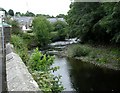
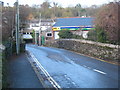
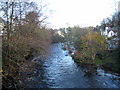
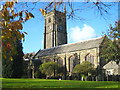
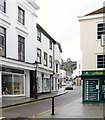
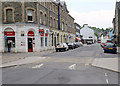
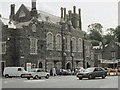
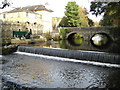
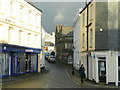
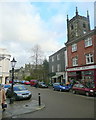
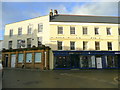
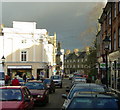
Area Information
PL19 0BD represents a specific residential cluster defined by a land area of 786 square metres and a resident population of 1770 people. You are looking at a compact postcode within Cornwall that serves as a dense focal point for local life. The household composition here reflects a mature demographic, with a median age of 47 years and the majority of residents falling into the 30 to 64 year old bracket. This concentration of adults suggests a community built on stability rather than rapid turnover or transient living arrangements. Living in this postcode means you occupy a space where density meets residential purpose, distinct from the open countryside often associated with wider rural searches. The area functions as a tight-knit neighbourhood where 55 per cent of households own their homes, indicating a long-term settlement pattern. Daily life revolves around the immediate needs of this established group, whether accessing nearby transport links or local retail options. You benefit from a clear understanding of the population structure, which buffers against the volatility found in areas with shifting demographics. The environment is characterised by traditional housing stock designed for permanent occupancy rather than short-term letting.
- Area Type
- Postcode
- Area Size
- 786 m²
- Population
- 1770
- Population Density
- 3825 people/km²
The housing market in PL19 0BD is characterised by a significant owner-occupier segment, with 55 per cent of households holding the deed to their property. This high ownership rate indicates that the local property market is driven by owners looking to maintain and enhance their homes rather than by landlords seeking rental income. The predominant accommodation type consists of houses, which aligns with the area's residential cluster design and its median age of 47. You are entering a market where existing structures are often maintained by their owners, suggesting a degree of care and investment in the quality of housing stock. Living in this area means buying into an estate where the majority of occupants view their homes as primary residences. The concentration of houses rather than flats or apartments supports the needs of the 30 to 64 year old demographic who dominate the population. There is no evidence of a speculative buy-to-let market dominating the scene, allowing buyers to focus on genuine residential needs. The small footprint of 786 square metres for this postcode implies a limited supply of new developments, keeping the market focused on existing properties within this tight geographical boundary.
House Prices in PL19 0BD
Showing 5 properties
| Address | Type | Beds | Baths | Last Sale Price | Last Sale Date | |
|---|---|---|---|---|---|---|
| 7B Pepper Street, Tavistock, PL19 0BD | Flat | - | - | - | - | |
| 5B Pepper Street, Tavistock, PL19 0BD | Flat | - | - | - | - | |
| 5A Pepper Street, Tavistock, PL19 0BD | Flat | - | - | - | - | |
| Barley Mews, Pepper Street, Tavistock, PL19 0BD | Flat | - | - | - | - | |
| 7A Pepper Street, Tavistock, PL19 0BD | Flat | - | - | - | - |
Energy Efficiency in PL19 0BD
Daily life in PL19 0BD centres on convenience access to essential services and transport links. You are within practical reach of five retail venues, including the Co-op Tavistock and a Spar, which form the backbone of local shopping. These outlets provide access to groceries and daily necessities without the need for long journeys. Transport connectivity is facilitated by three nearby railway stations: Gunnislake Railway Station, Calstock Railway Station, and Bere Alston Railway Station. These stations offer regional rail links that allow you to commute further afield or travel for leisure. Living in this postcode means you do not have to rely solely on a car for most daily requirements. The proximity of these amenities creates a functional neighbourhood where work, shopping, and travel are accessible from your doorstep. The character of the area is defined by this direct access to commercial and transit hubs, ensuring that modern conveniences remain within a short distance.
Amenities
Schools
| Rank | School | Type | Entry gender | Ages |
|---|
Explore more schools in this area
Go to Schools tabDemographics
The community profile of PL19 0BD is defined by a median age of 47 years, placing it squarely within the adult demographic range of 30 to 64 years. This age distribution suggests a population comprised of established residents who prioritise stability and long-term planning for their living arrangements. Five hundred and fifty per cent of households, or 55 per cent to be precise, are owner-occupied, reinforcing the stability of the local populace. The predominant ethnic group is White, aligning with the broader demographic trends of many established English towns and villages. Accommodation within these boundaries consists primarily of houses, which are better suited to the needs of families and those seeking permanence. You will not find the high-rise blocks or council estates typical of urban centres, but rather individual dwellings designed for the 1770 residents who call this postcode home. The population density, while high at 2,252,379 people per square kilometre when calculated against the small 786 square metre footprint, reflects the concentrated nature of this specific postcode cluster rather than a sprawling rural settlement. This mix of ownership and housing type creates a neighbourhood where residents invest in the longevity of their homes.
Household Size
Accommodation Type
Tenure
Ethnic Group
Religion
Household Composition
Age
Household Deprivation
NS-SEC
Explore more demographic insights in this area
Go to Demographics tabPlanning
Planning Constraints
- Flood RiskPremium
- Ramsar Wetland SitesPremium
- Area of Outstanding Natural BeautyPremium
- Protected Nature ReservePremium
- Protected WoodlandPremium