Area Overview for PL1 3JA
Photos of PL1 3JA
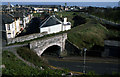
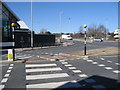
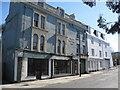
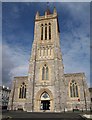
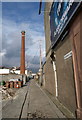
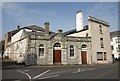
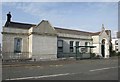
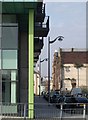
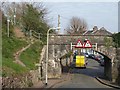
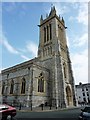
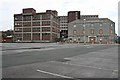
Area Information
PL1 3JA represents a specific residential postcode area covering approximately 3,665 square metres. This small cluster forms part of a larger urban fabric in Plymouth, England. With a resident population of 1,855 individuals, the area functions as a tightly knit housing zone within the broader city limits. The high population density of 506,158 people per square kilometre reflects the concentrated nature of this urban settlement. You can expect a setting defined by its compact footprint rather than sprawling green space or rural isolation. Daily life here revolves around proximity to established city infrastructure and services. The postcode serves a clear demographic function, housing a significant number of adults within a limited geographical boundary. Living in PL1 3JA means accessing the core functions of a major port city without residing in the distant suburbs. This location offers immediate access to employment hubs and transport links that define the principal urban centre. The area characterises a segment of Plymouth's housing stock where density meets accessibility.
- Area Type
- Postcode
- Area Size
- 3665 m²
- Population
- 1855
- Population Density
- 7791 people/km²
The housing market in PL1 3JA is characterised by a specific tenure structure and building style. Only eleven per cent of residents own their homes, which places the area firmly in the rental sector. The accommodation type is overwhelmingly flats, meaning detached or semi-detached family houses are rare in this specific postcode cluster. This high concentration of flats typically appeals to professionals, investors, or individuals preferring urban living over suburban sprawl. Buying a home here requires targeting a small segment of the inventory, as owner-occupied stock makes up a minority of the total. For those seeking freehold properties with private gardens, the likelihood of finding them directly within these boundaries is slim. The market dynamics suggest a demand for rental units that outnumber the available owner-occupied options. You should expect to compete with other renters or investors looking for flats in this high-density cluster. The properties available are designed for urban living, prioritising location and convenience over land surface area.
House Prices in PL1 3JA
Showing 16 properties
| Address | Type | Beds | Baths | Last Sale Price | Last Sale Date | |
|---|---|---|---|---|---|---|
| 79, Athlone House, Union Place, Plymouth, PL1 3JA | Flat | - | - | - | - | |
| 83, Athlone House, Union Place, Plymouth, PL1 3JA | Flat | - | - | - | - | |
| 85, Athlone House, Union Place, Plymouth, PL1 3JA | Flat | - | - | - | - | |
| 105, Athlone House, Union Place, Plymouth, PL1 3JA | Flat | - | - | - | - | |
| 99, Athlone House, Union Place, Plymouth, PL1 3JA | Flat | - | - | - | - | |
| 87, Athlone House, Union Place, Plymouth, PL1 3JA | Flat | - | - | - | - | |
| 101, Athlone House, Union Place, Plymouth, PL1 3JA | Flat | - | - | - | - | |
| 103, Athlone House, Union Place, Plymouth, PL1 3JA | Flat | - | - | - | - | |
| 107, Athlone House, Union Place, Plymouth, PL1 3JA | Flat | - | - | - | - | |
| 93, Athlone House, Union Place, Plymouth, PL1 3JA | Flat | - | - | - | - |
Energy Efficiency in PL1 3JA
Residents of PL1 3JA enjoy immediate access to a wide range of retail and transport amenities. Five major supermarkets are within practical reach, including Aldi Plymouth, Lidl Central, and Co-op Wilton. This concentration of major retailers ensures you can shop for groceries and essentials without travelling far. Beyond retail, the postal code sits near five ferry terminals, such as Plymouth Ferry Terminal and Royal William Yard Ferry Landing, offering direct links across the Tamar. Transport options are extensive, with five railway stations nearby, including Plymouth Railway Station and Devonport Railway Station. You can also reach two airports, notably Plymouth City Airport, within easy commuting distance. This transport density makes PL1 3JA highly convenient for those working in other parts of Devon or London. The presence of these facilities means daily errands and longer trips require minimal travel time. Living here places you at the heart of the region's transport and retail infrastructure.
Amenities
Schools
Families considering living in PL1 3JA have access to several educational institutions nearby. High Street Primary School serves as a local primary option, while High Street Primary Academy holds a 'Good' Ofsted rating for primary education. For secondary alternatives, Plymouth School of Creative Arts operates as an academy providing broader educational opportunities. Millbay Academy also functions as an academy and carries a 'Good' Ofsted rating for its provision. This mix of primary and academy settings gives residents choices across different educational models. The presence of two academies with good ratings may offer stability and quality assurance for parents navigating the system. Schools near PL1 3JA include both traditional primary structures and academy-led institutions, providing a varied educational environment. You will find that educational amenities are situated within reasonable reach of this postcode boundary, supporting families who require registration for local catchment areas. These schools collectively form the educational hub for the adult community residing in this area.
| Rank | School | Type | Entry gender | Ages |
|---|
Explore more schools in this area
Go to Schools tabDemographics
The community within PL1 3JA is defined by a mature age profile. Residents have a median age of 47 years, with the majority falling into the thirty to sixty-four year range. This demographic skew suggests an area populated by working-age adults rather than families with young children or elderly retirees in large numbers. Home ownership stands at a relatively low eleven per cent, indicating that rental housing dominates the local landscape. The accommodation type is predominantly flats, which aligns with the high density and lower ownership rates observed in this postcode. You will find a population where renting is the primary mode of residence for households. Predominantly, the ethnic composition includes a White demographic, reflecting the broader statistical picture of the locality. Living in PL1 3JA involves engaging with a demographic that reflects typical urban rental markets in significant English cities. The age distribution and housing tenure paint a picture of a transient or transient-leaning community rather than one of long-term owners.
Household Size
Accommodation Type
Tenure
Ethnic Group
Religion
Household Composition
Age
Household Deprivation
NS-SEC
Explore more demographic insights in this area
Go to Demographics tabPlanning
Planning Constraints
- Flood RiskPremium
- Ramsar Wetland SitesPremium
- Area of Outstanding Natural BeautyPremium
- Protected Nature ReservePremium
- Protected WoodlandPremium