Area Overview for PL1 2PN
Photos of PL1 2PN

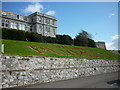
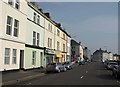
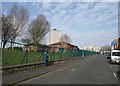
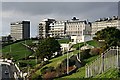
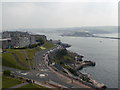
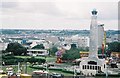





Area Information
Living in PL1 2PN means residing within a specific postcode area that covers a small residential cluster in England. This compact community of 1,214 people offers a contained environment where daily routines revolve around immediate local conveniences and transport hubs. The area is defined by its proximity to major Plymouth infrastructure, including multiple railway stations and ferry terminals, which places everyday travel within easy reach. Residents here enjoy a distinct quietness compared to the wider city, yet they remain well-connected to the broader region. You will find yourself surrounded by a dense concentration of flats rather than detached houses, shaping a unique social dynamic for those seeking urban living without the sprawl. The location serves as a practical base for commuters, with Plymouth Railway Station and Dockyard Railway Station accessible for work or leisure trips. For those considering their next move, PL1 2PN presents a straightforward package: a defined residential space backed by robust public transport links and essential retail outlets. It is a choice for buyers who prefer a smaller footprint but insist on easy access to city centre amenities and mainland ferry crossings.
- Area Type
- Postcode
- Area Size
- Not available
- Population
- 1214
- Population Density
- 5052 people/km²
The property market in PL1 2PN is defined by a high proportion of flats across the residential stock. With 34% of residents owning their homes, the balance leans slightly towards private ownership, though the rental sector remains active. You will not find large detached estates here; instead, the architecture focuses on apartment-style living suited to the urban character of the postcode. This housing type appeals to buyers who value low-maintenance living and proximity to transport links. The small population of 1,214 limits the sheer volume of listings, which can make competition for specific units more intense than in larger zones with thousands of properties. Homes in PL1 2PN serve both owner-occupiers and rentseekers, creating a dynamic market responsive to local job opportunities and commuter needs. For anyone searching for flats near the city, this area offers a tangible supply without the overwhelming density of the central urban core. It is a functional market where practicality drives demand, and buyers should prioritize locations with clear transport access to secure a long-term lease or purchase.
House Prices in PL1 2PN
No properties found in this postcode.
Energy Efficiency in PL1 2PN
Your daily life in PL1 2PN, living in this specific postcode area, is anchored by five convenient retail outlets including Tesco Notte, Co-op Hoegate, and Morrisons Daily Barbican 50 Southside ST. These shops ensure everyday groceries and essentials are always within short walking or driving distance. Beyond general shopping, lifestyle facilities are immense, with five ferry departure points serving as major leisure and commuting connectors. The area also hosts five key railway stations, providing easy access to Devonport Railway Station and Plymouth City Airport. Having Plymouth City Airport nearby means private flights are a viable option for travel or leisure. You do not need to travel far for meals, work, or transport, as five nearby amenities cater to every practical need. This concentration of services means your evening runs for goods do not require a long drive, and your weekend trips can start with a quick dash to the terminal. The immediate availability of these venues creates a self-sufficient environment where most tasks are resolved locally.
Amenities
Schools
| Rank | School | Type | Entry gender | Ages |
|---|
Explore more schools in this area
Go to Schools tabDemographics
The community in PL1 2PN reflects a mature population profile with a median age of 47 years. Most residents fall into the adult bracket between 30 and 64 years old, suggesting a neighbourhood where established households form the core of daily life. House composition leans heavily towards flats, meaning the built environment is designed for multi-occupancy living rather than large family homes. Ownership patterns indicate that 34% of residents own their properties outright, while the majority likely rent or share ownership. This statistic points to a market where tenancy rates are significant compared to private homeownership. The predominant ethnic group is White, mirroring the broader demographic trends often found within the South West region. Deprivation levels and income distribution are not detailed in current records, but the age profile suggests a stable workforce rather than a youth-heavy or elderly-only dependency on state support. Potential buyers should expect a diverse mix of individuals and couples, particularly given the prevalence of flat accommodation. If you are looking for an area dominated by working-age adults, PL1 2PN fits that specific demographic shape precisely.
Household Size
Accommodation Type
Tenure
Ethnic Group
Religion
Household Composition
Age
Household Deprivation
NS-SEC
Explore more demographic insights in this area
Go to Demographics tabPlanning
Planning Constraints
- Flood RiskPremium
- Ramsar Wetland SitesPremium
- Area of Outstanding Natural BeautyPremium
- Protected Nature ReservePremium
- Protected WoodlandPremium