Area Overview for Lanlivery
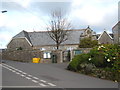
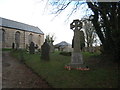
Photos of Lanlivery
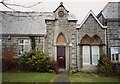
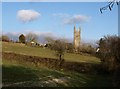
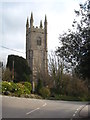


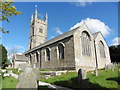
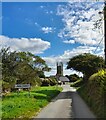
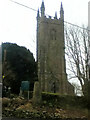
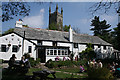
Area Information
Living in Lanlivery offers a distinctly rural experience within a civil parish covering 20.3 square kilometres. This quiet area sits away from the busiest urban thoroughfares, appealing to those who value space and natural surroundings over immediate access to city centres. The layout is spacious, providing residents with plenty of room for gardens and outdoor activities without the density found in larger towns. Daily life revolves around a slower pace, where the community feel is intimate and local knowledge passes easily between neighbours. You will find that the landscape is defined by open fields and scattered dwellings rather than rows of terraced houses or high-rise blocks. The parish boundary encompasses a variety of settlement patterns, though much of the land remains semi-rural. For homebuyers, this means fewer overcrowded backroads and a sense of seclusion that is rare in modern England. The area does not contain major industrial zones, ensuring that noise pollution remains minimal for most properties. While transport links exist, the primary appeal lies in the tranquility you can expect throughout your day. This makes Lanlivery a compelling choice for retirees or professionals seeking a retreat from city life while maintaining reliable digital connections for remote work.
- Area Type
- Parish
- Area Size
- 20.3 km²
- Population
- Not available
- Population Density
- Not available
Demographics
The community in Lanlivery displays a clear demographic skew towards older generations. Data indicates a median age of 70 years, which signifies that the majority of residents are retired individuals or seniors. Consequently, the area functions primarily as a retirement location rather than a hub for young families or university graduates. With a home ownership rate standing at 74%, you will find that most homes here are free from mortgages and passed down through generations. This high level of tenure suggests stability, as residents have no incentive to move rapidly each time their mortgage changes. Accommodation types in the parish reflect this age profile, with a prevalence of bungalows and properties suitable for single occupants or couples without dependent children. The household composition mirrors the broader demographic trend, showing low percentages of young adults living alone or families with young children. While specific figures on minority ethnic groups remain unlisted in current datasets, the social fabric is shaped by long-term residents who have lived in Cornwall for decades. The lack of rapid population influx means that community integration requires local engagement rather than adaptation to transient lifestyles. Safety remains a key factor, with crime rates falling well below the national average.
Household Size
Accommodation Type
Tenure
Ethnic Group
Religion
Household Composition
Age
Household Deprivation
NS-SEC
Explore more demographic insights in this area
Go to Demographics tabPlanning
Planning Constraints
- Flood RiskPremium
- Ramsar Wetland SitesPremium
- Area of Outstanding Natural BeautyPremium
- Protected Nature ReservePremium
- Protected WoodlandPremium