Area Overview for GL53 7LD
Photos of GL53 7LD
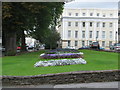
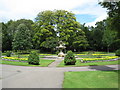
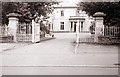
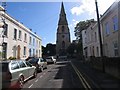
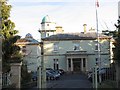
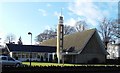
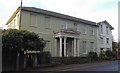
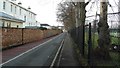
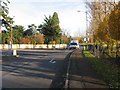
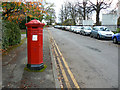
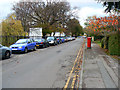
Area Information
Living in GL53 7LD means being part of a tightly packed residential cluster in England, where 1,506 people reside across 8.2 hectares. The area’s high population density of 18,328 people per square kilometre reflects a compact, community-focused environment. This postcode is not a sprawling suburb but a small, defined space where daily life is shaped by proximity to amenities and services. The demographic profile suggests a mix of young and middle-aged residents, with adults aged 30–64 forming the largest group. While the median age is 22, this likely reflects a younger population skew, possibly due to students or early-career professionals. The area’s proximity to Cheltenham and surrounding towns offers access to cultural and economic hubs, though the local character remains rooted in residential simplicity. For buyers, GL53 7LD presents a microcosm of suburban living, where space is limited but convenience is prioritised. Its small size means properties are likely to be in close proximity to each other, creating a tightly knit neighbourhood dynamic.
- Area Type
- Postcode
- Area Size
- 8.2 hectares
- Population
- 1506
- Population Density
- 3799 people/km²
The property market in GL53 7LD is characterised by a 53% home ownership rate, with houses forming the sole accommodation type. This suggests a market where owner-occupation is common but not dominant, leaving room for rental properties. The small area size means the housing stock is limited, likely comprising a mix of family homes and smaller residences. Buyers should consider that the immediate surroundings may offer more options, given the postcode’s compact nature. The absence of flats or apartments indicates a preference for traditional housing, which may appeal to families or those seeking larger living spaces. However, the limited number of properties could make the market competitive, particularly for first-time buyers. The high population density also implies that properties are closely spaced, potentially affecting privacy or outdoor space. For investors, the mix of owner-occupied and rental properties suggests a stable but modest market, with potential for long-term value retention.
House Prices in GL53 7LD
Showing 1 properties
| Address | Type | Beds | Baths | Last Sale Price | Last Sale Date | |
|---|---|---|---|---|---|---|
| 50 College Road, Cheltenham, GL53 7LD | Detached | - | - | - | - |
Energy Efficiency in GL53 7LD
Residents of GL53 7LD have access to five retail venues, including Sainsburys Cheltenham, Co-op Bath, and Cook Cheltenham, offering a range of shopping options. The presence of Cheltenham Spa Railway Station and nearby metro points like Cheltenham Racecourse and Gotherington ensures connectivity to leisure and transport networks. Three Gloucestershire Airport entries suggest proximity to air travel, though their relevance depends on specific destinations. The area’s compact size means amenities are within practical reach, fostering convenience for daily errands. The mix of retail, transport, and potential leisure options creates a functional lifestyle, though the lack of detailed data on parks or recreational spaces limits insight into outdoor activities. For buyers, the proximity to shops and transport links enhances the area’s appeal, though the absence of explicit information on parks or cultural venues may require further local research.
Amenities
Schools
The nearest school to GL53 7LD is Cheltenham College, an independent institution. This school type typically caters to students from a range of backgrounds, though its independent status may indicate higher fees or selective admission criteria. The absence of other schools in the data means families relying on state education would need to look beyond the immediate area. For those prioritising independent schooling, Cheltenham College offers a private option, potentially with strong academic or extracurricular reputations. However, the lack of state schools in the vicinity could pose challenges for families seeking more affordable or diverse educational options. Buyers considering GL53 7LD should weigh the availability of schools against their children’s needs, ensuring proximity to other educational institutions if required.
| Rank | School | Type | Entry gender | Ages |
|---|
Explore more schools in this area
Go to Schools tabDemographics
The community in GL53 7LD is predominantly composed of adults aged 30–64, despite a median age of 22. This suggests a population skewed toward working-age individuals, possibly including students or professionals in nearby towns. Home ownership rates stand at 53%, indicating a balanced mix of owner-occupied and rented properties. The accommodation type is exclusively houses, which contrasts with areas where flats or apartments dominate. The predominant ethnic group is White, reflecting a homogenous demographic profile. With no data on deprivation levels, it is unclear how economic factors influence quality of life, but the high population density and housing stock suggest a practical, no-frills lifestyle. The area’s compact nature may foster a sense of familiarity among residents, though the lack of diversity in household types or age ranges could limit social dynamism. For buyers, the demographic profile implies a stable, low-turnover market, but the absence of younger or older residents may affect long-term community evolution.
Household Size
Accommodation Type
Tenure
Ethnic Group
Religion
Household Composition
Age
Household Deprivation
NS-SEC
Explore more demographic insights in this area
Go to Demographics tabPlanning
Planning Constraints
- Flood RiskPremium
- Ramsar Wetland SitesPremium
- Area of Outstanding Natural BeautyPremium
- Protected Nature ReservePremium
- Protected WoodlandPremium