Area Overview for GL10 3SH
Photos of GL10 3SH
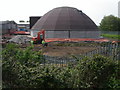
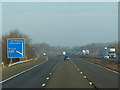
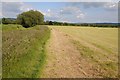
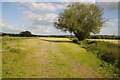
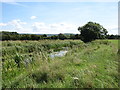
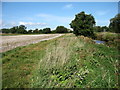
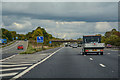
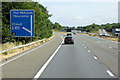
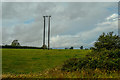
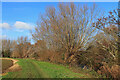
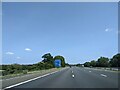
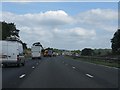
Area Information
Living in GL10 3SH offers a settled residential experience within a compact cluster covering 26.6 hectares. This small postcode area holds a population of 2,780 people, creating a low-density environment with roughly 140 residents per square kilometre. The neighbourhood feels quiet and established, distinct from high-rise urban centres. Homebuyers here find a setting that balances proximity to nearby towns with the space of a low-density community. The area is defined by its specific boundaries which house a consistent group of families and professionals. You do not find a chaotic urban sprawl; instead, you encounter a neighbourhood with clear limits and a tangible community feel. The layout is straightforward, focusing on housing without significant industrial land use or large commercial zones within the immediate cluster. This makes it an attractive option for those who prioritise a tranquil suburban setting over rapid urban development. The scale of the area means streets are well defined and neighbours are likely to know each other. Daily life centres on the immediate residential streets and the services located just beyond the postcode boundary. You can expect a pace of life that allows time for local activities rather than constant mobility. The combination of small geographic size and a steady population creates a predictable living environment where you know what to expect from your street.
- Area Type
- Postcode
- Area Size
- 26.6 hectares
- Population
- 2780
- Population Density
- 140 people/km²
Homes in GL10 3SH are part of a market heavily skewed towards owner-occupiers. The staggering 76 per cent home ownership rate indicates that the area is not a primary rental destination for investors. Instead, the housing stock is likely filled with families who have stayed in the same properties for many years. The predominant accommodation type, Houses, supports this insight, suggesting a layout with or close to large gardens rather than dense blocks of flats. This makes GL10 3SH an ideal location for those seeking a traditional suburban home rather than a flat in a high-rise building. You are unlikely to compete against international capital looking for buy-to-let properties here. The stability of the owner base means property values depend on local demand from genuine residents rather than speculative investment. When you look for homes in this postcode, you will see properties that have weathered market cycles with consistent owners. This often results in better maintenance of gardens and facades compared to areas with high rental turnover. The mix of housing is almost exclusively single-family units, providing privacy and space that appeals to the middle-aged demographic. Buyers here should consider the implications of buying from owners who may have been living there for decades. The market functions on trust and local knowledge rather than quick turnovers or landlord vacancies. This creates a secure environment for buyers who want a permanent home. The lack of predominately rental properties means you will not face a lottery system for affordable rentals.
House Prices in GL10 3SH
Showing 2 properties
| Address | Type | Beds | Baths | Last Sale Price | Last Sale Date | |
|---|---|---|---|---|---|---|
| William Morris School, Road To The Willow Nursing Home Eastington, Chipmans Platt, Stonehouse, GL10 3SH | Semi-detached | 7 | - | - | - | |
| Hiram, William Morris House, Road To The Willow Nursing Home Eastington, Chipmans Platt, Stonehouse, GL10 3SH | education | - | - | - | - |
Energy Efficiency in GL10 3SH
The lifestyle in GL10 3SH centres on convenience and access to nearby commercial and transport hubs. You have five major retail points within practical reach, specifically the Co-op Eastington, Co-op High, and Co-op Kings stores. These convenience stores provide essential groceries and daily necessities without requiring a long journey into a larger town centre. For commuters, rail links are well defined within the area. Three railway stations serve the local population: Stonehouse Railway Station, Cam & Dursley Railway Station, and Stroud Railway Station. Access to Stonehouse, Cam & Dursley, and Stroud offers direct routes to broader employment centres and leisure destinations. The presence of these specific stations means your morning commute can be efficient and predictable. You do not rely solely on cars for all your travel needs. The retail options provide a basic level of self-sufficiency, meaning you can handle weekly shopping without leaving the immediate neighbourhood. The variety of Co-op branches indicates a choice in which store to visit based on your specific grocery needs. Daily life involves a balance between the quiet of the 26.6 hectare cluster and the amenities of the wider Stroud district. You can walk to the Co-op stores or take a quick train to Stroud for a bigger evening out. The transport network ensures that while you live in a low-density area, you remain connected to the wider economy. This blend of local convenience and external connectivity defines the character of living here. The named stations and shops are the anchors of your daily routine in this postcode.
Amenities
Schools
Families living in GL10 3SH have access to a mix of primary and special education providers nearby. Eastington Primary School and Great Oldbury Primary Academy are the key primary options, both holding a good Ofsted rating. This ensures that young children receive a standard of education that meets national expectations. For parents with children of varying abilities, William Morris College serves as a special school, listed multiple times in the data as a consistent provision. William Morris School also appears in the dataset as a special educational provision holding a good Ofsted rating. This combination of institutions means the area caters to a wide spectrum of learning needs. You will not find secondary schools listed in the immediate vicinity of the data, so families must plan ahead for upper-secondary education beyond the local cluster. The presence of good-rated primary schools suggests the local authority maintains high standards in the catchment zones surrounding GL10 3SH. If you are planning to move here with young children, the quality ratings of Eastington and Great Oldbury are reassuring markers. The special schools provide additional support for children with specific educational requirements, ensuring no family is left without options. You can be confident that the schools named in the data have undergone formal inspection and received passing grades. The geographical spread of these schools indicates they are within practical commuting distance for residents of the postcode. The focus on specific names and ratings avoids ambiguity about the quality of local education.
| Rank | School | Type | Entry gender | Ages |
|---|
Explore more schools in this area
Go to Schools tabDemographics
The community in GL10 3SH is mature and predominantly owner-occupied. The median age sits at 47 years, placing the demographic centre squarely within the Adults age range of 30 to 64 years. This indicates that the area appeals to families in their middle years or professionals seeking stability rather than a student-heavy district. Home ownership stands at 76 per cent, showing that most residents have purchased their current homes. The predominant accommodation type consists of Houses, which aligns with the ownership figures and the age profile of the population. Ethnic diversity is not present in the current metrics, as the White ethnic group is the predominant demographic captured in the data. This homogeneity contributes to a neighbourhood where long-term residents know the history of the local streets. You will find fewer transient renters in this cluster compared to student cities or large commuter hubs. The demographic structure suggests a stable community where families raise children and older adults settle for retirement in the same properties. There are no signs of drastic youth migration inwards, pointing to an area that values established life over rapid demographic turnover. If you move here, you join a population that has already decided to put down roots. The low density of 140 people per square kilometre reinforces this sense of a permanent, settled community rather than a temporary housing zone.
Household Size
Accommodation Type
Tenure
Ethnic Group
Religion
Household Composition
Age
Household Deprivation
NS-SEC
Explore more demographic insights in this area
Go to Demographics tabPlanning
Planning Constraints
- Flood RiskPremium
- Ramsar Wetland SitesPremium
- Area of Outstanding Natural BeautyPremium
- Protected Nature ReservePremium
- Protected WoodlandPremium