Area Overview for Ermington
Photos of Ermington
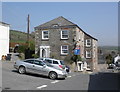
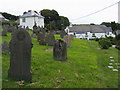
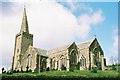
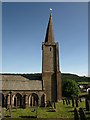
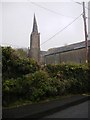

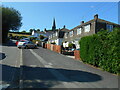
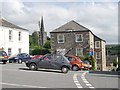
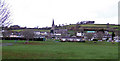
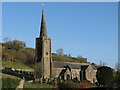
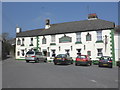
Area Information
Ermington is a compact built-up area in England, spanning 24.3 hectares. Its small size means the community feels close-knit, with daily life shaped by nearby amenities and a slower pace. The area’s median age of 70 suggests a population skewed toward older residents, which may influence the local character and services. Ermington is not a place for those seeking a bustling urban environment but offers a quiet, stable living option. The presence of Ermington Primary School, with a good Ofsted rating, ensures families have access to quality education. Nearby, retail options like Co-op Modbury and Tesco Ivy provide convenience, while rail and ferry connections link residents to broader networks. For those prioritising safety and simplicity, Ermington’s low crime risk and practical amenities make it a viable choice. However, the area’s demographic profile means it may not suit buyers seeking a younger, more dynamic community. Living here involves embracing a mature, established environment where infrastructure is functional but not expansive.
- Area Type
- Built Up Area 250
- Area Size
- 24.3 hectares
- Population
- Not available
- Population Density
- Not available
Ermington’s lifestyle is shaped by its proximity to practical amenities. The retail sector includes Co-op Modbury, Co-op Ivybridge, and Tesco Ivy, offering everyday shopping needs within walking or short driving distance. For transport, Ivybridge Railway Station connects to broader networks, while Cockleridge Ham and Bantham Ferry Landings provide alternative routes, though their usage depends on local ferry schedules. The presence of a single primary school ensures families have access to education, though secondary options are not listed. The area’s small size means social interactions are likely to be frequent, fostering a close-knit community. However, the absence of detailed data on parks or leisure facilities means it is unclear whether Ermington offers spaces for recreation beyond its basic amenities. Overall, daily life here is functional, with a focus on practicality over luxury.
Amenities
Schools
Ermington Primary School is the only school explicitly listed in the area, serving the local community with primary education. Its Ofsted rating of “good” reflects a satisfactory standard of teaching and facilities, though no further details on performance or student outcomes are provided. The absence of secondary schools or other educational institutions in the data means families reliant on comprehensive schooling may need to look beyond Ermington. This single school suggests a limited educational ecosystem, which could be a consideration for parents seeking a full range of school options. However, the good rating indicates that Ermington Primary meets acceptable standards, making it a reliable choice for younger children. For buyers prioritising schools, the area’s current provision is modest but functional, requiring additional planning for older children’s education.
| Rank | School | Type | Entry gender | Ages |
|---|
Explore more schools in this area
Go to Schools tabDemographics
Ermington’s population is predominantly older, with a median age of 70. This age profile suggests a community where retirement is the primary life stage, influencing local services and social dynamics. Home ownership is high, with 70% of residents owning their homes, indicating a stable housing market. The data does not specify household types or ethnic diversity, but the “total” category for these fields implies a lack of detailed breakdowns. This could mean the area is relatively homogeneous in terms of household composition and cultural makeup. The absence of specific figures on deprivation or economic diversity means it is unclear how varied the quality of life might be. However, the high home ownership rate and low crime risk suggest a generally secure, self-sufficient population. For buyers, this profile may appeal to those seeking a settled environment but may not reflect the needs of younger families or those requiring more diverse community structures.