Area Overview for Plymouth
Photos of Plymouth
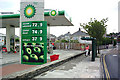
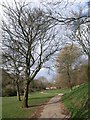
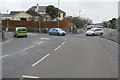
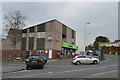
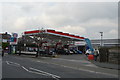
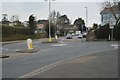

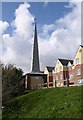
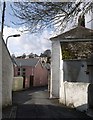
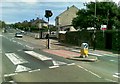
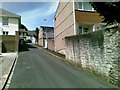
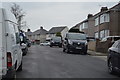
Area Information
Plymouth is a built-up area in England covering 59.3 km², home to 89,040 residents. With a population density of 1,500 people per square kilometre, it is a compact, urban environment where daily life is shaped by proximity to amenities and transport. The city blends historical architecture with modern infrastructure, offering a mix of residential, commercial, and recreational spaces. Its strategic location on the south coast provides access to coastal views, ferry routes, and nearby airports. Residents benefit from a well-connected transport network, including rail stations, ferry terminals, and multiple retail hubs. While the area’s median age is 70, reflecting a mature population, it remains a functional hub with schools, healthcare, and leisure facilities. Living in Plymouth means navigating a balance between urban convenience and the challenges of a densely populated area, where community life is centred around local services and public transport.
- Area Type
- Built Up Area 250
- Area Size
- 59.3 km²
- Population
- 89004
- Population Density
- 1500 people/km²
Living in Plymouth grants access to a range of amenities within practical reach. Retail options include Tesco Compton and Co-op stores at Higher and Torridge, providing daily shopping convenience. The rail network, with stations like Plymouth and Dockyard, connects residents to nearby towns and cities. Ferry services such as Plymouth Landing Stage and Mount Batten offer scenic travel to nearby areas, while the two airports facilitate broader travel. The presence of multiple airports and ferry terminals underscores the area’s role as a transport hub. Parks and leisure spaces are not explicitly listed, but the urban layout suggests a balance between residential areas and public spaces. The mix of retail, transport, and connectivity options contributes to a functional lifestyle, though the lack of detailed data on green spaces or recreational facilities means further local inquiry is advisable.
Amenities
Schools
Plymouth’s nearby schools include Ham Drive Nursery School and Day Care, Plym Bridge Nursery School and Day Care, and Martin’s Gate Pupil Referral Unit. Other institutions listed are Plymouth Tuition Services for Years 3–9 and a Young Parent’s Centre. These schools cater to a range of needs, from early education to specialist support for students with additional needs. The absence of Ofsted ratings means it is unclear how these institutions perform academically, but the variety suggests a focus on inclusivity and tailored support. Families seeking nurseries may find the two dedicated centres practical, while others requiring alternative education options can access the pupil referral unit and tuition services. The mix of school types reflects a community that prioritises accessibility and specialised learning, though prospective parents should conduct further research on individual school performance.
| Rank | School | Type | Entry gender | Ages |
|---|
Explore more schools in this area
Go to Schools tabDemographics
Plymouth’s population of 89,040 includes a median age of 70, indicating a predominantly older demographic. The most common age range is not specified, but the data suggests a mature community profile. Home ownership stands at 59%, meaning nearly six in ten residents live in properties they own. Household composition and accommodation types are not detailed, but the data implies a mix of family and single-person households. The area’s ethnic and religious diversity is not quantified, but the “total” category for both suggests a broad representation. The absence of specific deprivation data means it is unclear how economic factors influence quality of life. However, the 59% home ownership rate indicates a stable housing market, though it may also reflect limited rental availability. The older population may influence local services, with healthcare and community support likely prioritised.