Area Overview for Child Okeford
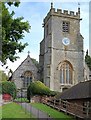
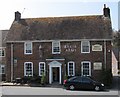
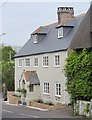
Photos of Child Okeford
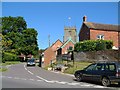
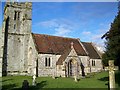
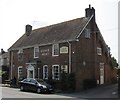
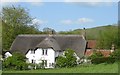
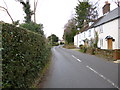
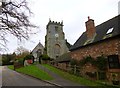
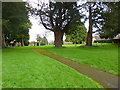
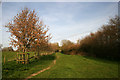

Area Information
Child Okeford is a compact built-up area in England covering 69.9 hectares, offering a quiet, low-density living environment. The area’s population is predominantly older, with a median age of 70, reflecting a community that values stability and established surroundings. Home ownership is high at 84%, suggesting a long-term presence of residents who have invested in the local area. Daily life here is shaped by proximity to essential services and a relaxed pace, typical of smaller towns. The area’s character is defined by its blend of traditional housing and practical amenities, with a focus on community cohesion. While it lacks the vibrancy of larger urban centres, Child Okeford provides a peaceful alternative for those seeking a slower, more predictable lifestyle. Its location may appeal to retirees or those prioritising tranquillity over bustling city life. The area’s compact size means residents can access nearby amenities without long commutes, though it remains distinct from major transport hubs. For buyers seeking a stable, low-maintenance environment, Child Okeford offers a straightforward proposition.
- Area Type
- Built Up Area 250
- Area Size
- 69.9 hectares
- Population
- Not available
- Population Density
- Not available
The lifestyle in Child Okeford is shaped by its proximity to practical amenities, including five retail outlets such as Spar Child, Co-op Shillingstone, and The Southern Co-operative Co. These shops provide access to groceries, essentials, and daily conveniences, reducing the need for long trips to larger towns. The area’s compact size means residents can access these services without significant travel, contributing to a self-contained lifestyle. While the data does not mention dining, parks, or leisure facilities, the presence of multiple retail options suggests a focus on practicality over luxury. The community likely revolves around local shops and social hubs, with a slower pace of life compared to urban areas. For those valuing convenience and simplicity, the available amenities support a low-effort daily routine. However, the absence of detailed information on recreational spaces means further exploration would be needed to assess leisure opportunities fully.
Amenities
Schools
Child Okeford is served by two primary schools: St Nicholas Church of England Voluntary Aided Primary School and St Nicholas Church of England Primary School. Both institutions cater to younger children, though the data does not specify Ofsted ratings or academic performance. The presence of two primary schools suggests a focus on early education, which may be beneficial for families with young children. However, the absence of secondary schools or further education options within the area means students may need to travel to nearby towns for higher-level education. The schools’ names indicate a religious affiliation, which could be a consideration for families seeking specific educational philosophies. While the data confirms the existence of these schools, further details on curriculum, facilities, or student outcomes are not provided. Families should investigate additional educational resources beyond the primary level when considering Child Okeford as a home.
| Rank | A + A* % | School | Type | Entry gender | Ages |
|---|---|---|---|---|---|
| 1 | N/A | St Nicholas Church of England Voluntary Aided Primary School, Child Okeford | primary | N/A | N/A |
| 2 | N/A | St Nicholas Church of England Primary School, Child Okeford | primary | N/A | N/A |
Explore more schools in this area
Go to Schools tabDemographics
The population of Child Okeford is predominantly older, with a median age of 70, indicating a community where retirement is the primary life stage. The most common age range is listed as ‘Age: Total’, which aligns with the high median age. Home ownership is exceptionally high at 84%, suggesting most residents are long-term occupants rather than renters. Household composition and accommodation types are both categorised as ‘total’, but the data implies a mix of family homes and single-occupancy properties. The area’s demographic profile lacks specific details on ethnic or religious diversity, but the figures provided confirm a homogenous population. This demographic structure may influence local services and amenities, which are tailored to older residents. The absence of detailed breakdowns on deprivation or socio-economic factors means quality of life assessments remain generalised. However, the high home ownership rate and low median age suggest a community with lower turnover and a focus on long-term stability.
Household Size
Accommodation Type
Tenure
Ethnic Group
Religion
Household Composition
Age
Household Deprivation
NS-SEC
Explore more demographic insights in this area
Go to Demographics tabPlanning
Planning Constraints
- Crime RiskLocked