Area Overview for Bratton Seymour
Photos of Bratton Seymour
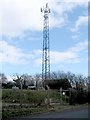
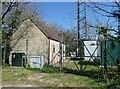
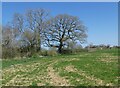
Area Information
Living in Bratton Seymour offers a distinctly rural experience within a civil parish covering 5.6 km². This village sits on the southern slopes of the Mendip Hills, providing extensive views of the surrounding countryside. You will find it located on a tributary of the River Brue, approximately 4 miles south-east of Castle Cary and 4 miles north-west of Wincanton. The area falls under the unitary authority of Somerset Council. The community remains predominantly agricultural and pastoral in character, with farming activities defining the daily rhythm. Recent data suggests a small population of approximately 104 residents, though some alternative sources indicate around 200 people call this home. The village possesses a deep history dating back almost 6,000 years. You can still see the legacy of the Dobunni tribe at Bratton Camp, built between 800 BC and 50 AD. The name itself reflects its evolution from *Broctune*, meaning settlement on the brook, to the incorporation of the Seymour family who became lords of the manor. Today, local life centres around historic landmarks like St. Nicholas Church and St James' Church. While the scale is intimate, the infrastructure supports essential rural services. Properties here often feature elevated ground to maximise the expansive countryside vistas.
- Area Type
- Parish
- Area Size
- 5.6 km²
- Population
- Not available
- Population Density
- Not available
Demographics
The community profile in Bratton Seymour reflects a settled, older population. The median age stands at 70 years, indicating that the majority of residents are seniors. The most common age grouping aligns with this total age demographic, suggesting a village where families often include retirees or elderly couples rather than young children or university students. Nearly three quarters of households are owner-occupiers, with a 75% home ownership rate. This high figure means you are likely to find established owners rather than transient renters. Accommodation types remain traditional for a village of this size, though specific breakdowns between detached, semi-detached, and terraced homes are not detailed in the current figures. The residential setting supports a lifestyle away from urban density. There is a lack of younger demographic data, yet the stability of the 75% ownership rate points to long-term residency. This contrasts with areas where high turnover is common. The absence of significant youth migration suggests a quiet, consistent neighbourhood where neighbours know one another well.
Household Size
Accommodation Type
Tenure
Ethnic Group
Religion
Household Composition
Age
Household Deprivation
NS-SEC
Explore more demographic insights in this area
Go to Demographics tabPlanning
Planning Constraints
- Flood RiskPremium
- Ramsar Wetland SitesPremium
- Area of Outstanding Natural BeautyPremium
- Protected Nature ReservePremium
- Protected WoodlandPremium