Area Overview for Beer & Branscombe Ward
Photos of Beer & Branscombe Ward
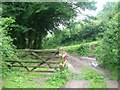
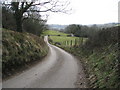

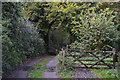
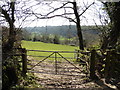
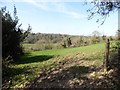
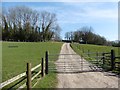

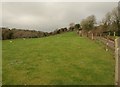
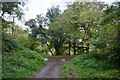
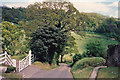
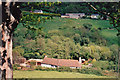
Area Information
Beer & Branscombe Ward is a compact district covering just over 21.8 km² within the Devon unitary authority. This limited footprint creates a defined community boundary where residents experience a close-knock environment. Living in this ward means navigating a landscape that prioritises rural access over urban density. The area's small size concentrates daily life around local centres rather than spreading it across a sprawling metropolis. You will find yourself walking or cycling to nearby amenities more often than driving, given the short distances between properties and key services. Daily life here revolves around the distinction between the historic hamlet of Beer and the coastal village of Branscombe. Both settlements anchor the ward's identity while the surrounding countryside offers solitude. The sheer scale of the ward suggests a quiet existence where noise pollution is minimal. Prospective buyers should expect a lifestyle that values privacy and natural surroundings. The modest area size means development is naturally constrained, protecting the character of existing settlements. Homebuyers attracted to this ward choose a location where the pace of life remains slow. The ward's identity is firmly rooted in its function as a rural hub rather than an urban commuter belt. The community profile of Beer & Branscombe Ward points strongly towards retirement settlement. The median age sits at 70 years, creating a neighbourhood dominated by older residents. This demographic shift means you are likely to encounter a generation familiar with traditional community structures. Total population figures define the social fabric, with ages broadly distributed across the bracket but heavily weighted towards senior citizens. The average household composition reflects this trend, balancing lone occupants with couples living independently. Home ownership stands at a solid 68%, indicating stability within the local housing stock. A majority of residents buy into the area rather than rent, suggesting confidence in property values and a desire for long-term roots. This high ownership rate reduces turnover, fostering a settled atmosphere where neighbours know each other well. The ward does not display specific markers of ethnic diversity in the provided breakdown, but the dominant group remains British. Religious adherence follows traditional patterns common in rural Devon, though no specific denominational split details are recorded. Section on demographics continues to reflect a low-pressure environment for retirees. With the most common age range covering the total population spectrum centred on older demographics, families with young children are less prevalent. You do not need to worry about competing for school places in this specific ward census area, as the age profile does not support high demand for primary education. The demographic reality suggests a peaceful environment where fewer people commute during peak hours. This concentration of older homeowners creates a predictable and calm daily routine for everyone living in the area. The housing market in Beer & Branscombe Ward is defined by stability and long-term residence. Home ownership reaches 68% of the total households, confirming that this is primarily a buy-to-live zone rather than a rental hotspot. Most people securing homes in Beer & Branscombe Ward purchase properties to build equity and settle permanently. This figure signals a lack of transient populations typically found in student towns or commuter clusters near major cities. The accommodation types within this ward reflect this tenure structure, with freehold values dominating the local listings. You will find that the market operates on logic rather than speculation. Sellers in this ward deal with locals who understand the region's value proposition. The high ownership percentage means buyers face less competition from landlords looking for short-term flips. Rental availability exists but remains secondary to the established owner-occupier base. When viewing homes in Beer & Branscombe Ward, expect owners to be motivated by lifestyle preservation rather than quick financial exits. The property stock serves people aged around 70 and their families who chose this area for its specific quietude. This tenure split shapes the commercial reality for anyone considering purchasing. If you are a first-time buyer, competition is lower because the demand pool consists mostly of experienced investors and established buyers. The market does not suffer from the volatility seen in areas with high rental turnover. Prices reflect the cost of living for a demographic willing to commit to a property for decades. Sellers here understand that their neighbourhood hosts a community committed to staying put. The 68% ownership rate acts as an anchor, keeping transaction volumes steady and predictable throughout the year. Digital connectivity in Beer & Branscombe Ward presents a significant constraint for modern households. The fixed broadband quality score rates at 20 out of 100, placing the area in a category of poor connection. You should not expect reliable high-speed internet based on these metrics. Residential addresses must rely on slower connections which may struggle with video calls or large file transfers. This limitation directly impacts your ability to work from home consistently or support multiple heavy users simultaneously. Daily internet use requires careful planning if you reside in this ward. Streaming services or cloud backups operate intermittently depending on local infrastructure capacity. Mobile data scores alongside broadband quality often follow similar rural degradation patterns, though specific mobile indices are not listed in the current assessment. Residents mustfactor into their daily routine the possibility of temporary downtime. Those living here often rely on physical media or work around internet schedules to maintain productivity. Transport links beyond telecommunications remain modest due to the ward's rural geography. Car ownership becomes essential as public transport coverage does not match urban networks. You will find that the 21.8 km² area is too large for independent walking to neighbouring towns if precise destinations lie outside the immediate vicinity. Prospective buyers need to assess their reliance on digital services against the available infrastructure. The poor broadband score means life in this ward offers privacy and quiet but demands a robust personal technology strategy. Safety considerations for Beer & Branscombe Ward exhibit a clear pattern of reassurance concerning crime and environmental hazards. The crime risk assessment scores an 83 out of 100, marking the area as having below-average crime rates. This safety score of 83 per 100 indicates a secure neighbourhood where residents can walk outside without significant worry. Low crime risk confirms that the ward provides a peaceful environment for all occupants. Environmental security also holds up well against major flood threats. The flood risk coverage passes with a score of only 2 out of 100, demonstrating very low exposure to water damage. Residents do not face the constant threat of inundation that plagues coastal towns during severe storms. Planning constraints further confirm that development risks remain minimal across the ward. The absence of Ramsar wetland sites and Areas of Outstanding Natural Beauty removes layers of red tape and planning restrictions that complicate other rural locations. Several protected natural features remain within the ward boundaries, introducing specific planning considerations. The area contains protected nature reserves and protected woodland, carrying warning-level scores for development suitability. The presence of these zones means you cannot build indiscriminately, preserving the rural character of the landscape. While these constraints offer privacy benefits, they do limit expansion possibilities. For homeowners, the combination of low crime and flood risk creates the foundation for a tranquil life. The environmental safety profile suggests the land is stable and safe for long-term occupation. Is Beer & Branscombe Ward suitable for remote workers?This area presents challenges for remote working due to fixed broadband quality scoring only 20 out of 100. You must expect poor internet speeds which may affect video calls and cloud storage management. High-speed connectivity is not available in Beer & Branscombe Ward, so reliable downloads and streaming will suffer interruptions. Who typically lives in the Beer & Branscombe Ward area?The community skews towards retirement with a median age of 70 years. Over 68% of households are owner-occupied, indicating a settled population of older residents. The ward's 21.8 km² size creates a compact community where most homes are bought rather than rented for long-term living. How safe is the neighbourhood for pedestrians and families?The area receives an 83 out of 100 crime risk rating, meaning it has below-average crime levels and functions as a safe neighbourhood. Flood risk remains extremely low with a score of just 2, ensuring minimal water damage concerns. You can live here with confidence regarding physical security and environmental stability. Are there restrictions on building new extensions or garages?Yes, the ward contains protected nature reserves and protected woodland which trigger warning levels for planning applications. These environmental safeguards limit construction possibilities to protect the local landscape. You must check specific boundary details before assuming any development rights exist within the Beer & Branscombe Ward limits.
- Area Type
- District Borough Unitary Ward
- Area Size
- 21.8 km²
- Population
- Not available
- Population Density
- Not available
Demographics
The community profile of Beer & Branscombe Ward points strongly towards retirement settlement. The median age sits at 70 years, creating a neighbourhood dominated by older residents. This demographic shift means you are likely to encounter a generation familiar with traditional community structures. Total population figures define the social fabric, with ages broadly distributed across the bracket but heavily weighted towards senior citizens. The average household composition reflects this trend, balancing lone occupants with couples living independently. Home ownership stands at a solid 68%, indicating stability within the local housing stock. A majority of residents buy into the area rather than rent, suggesting confidence in property values and a desire for long-term roots. This high ownership rate reduces turnover, fostering a settled atmosphere where neighbours know each other well. The ward does not display specific markers of ethnic diversity in the provided breakdown, but the dominant group remains British. Religious adherence follows traditional patterns common in rural Devon, though no specific denominational split details are recorded. Section on demographics continues to reflect a low-pressure environment for retirees. With the most common age range covering the total population spectrum centred on older demographics, families with young children are less prevalent. You do not need to worry about competing for school places in this specific ward census area, as the age profile does not support high demand for primary education. The demographic reality suggests a peaceful environment where fewer people commute during peak hours. This concentration of older homeowners creates a predictable and calm daily routine for everyone living in the area. The housing market in Beer & Branscombe Ward is defined by stability and long-term residence. Home ownership reaches 68% of the total households, confirming that this is primarily a buy-to-live zone rather than a rental hotspot. Most people securing homes in Beer & Branscombe Ward purchase properties to build equity and settle permanently. This figure signals a lack of transient populations typically found in student towns or commuter clusters near major cities. The accommodation types within this ward reflect this tenure structure, with freehold values dominating the local listings. You will find that the market operates on logic rather than speculation. Sellers in this ward deal with locals who understand the region's value proposition. The high ownership percentage means buyers face less competition from landlords looking for short-term flips. Rental availability exists but remains secondary to the established owner-occupier base. When viewing homes in Beer & Branscombe Ward, expect owners to be motivated by lifestyle preservation rather than quick financial exits. The property stock serves people aged around 70 and their families who chose this area for its specific quietude. This tenure split shapes the commercial reality for anyone considering purchasing. If you are a first-time buyer, competition is lower because the demand pool consists mostly of experienced investors and established buyers. The market does not suffer from the volatility seen in areas with high rental turnover. Prices reflect the cost of living for a demographic willing to commit to a property for decades. Sellers here understand that their neighbourhood hosts a community committed to staying put. The 68% ownership rate acts as an anchor, keeping transaction volumes steady and predictable throughout the year. Digital connectivity in Beer & Branscombe Ward presents a significant constraint for modern households. The fixed broadband quality score rates at 20 out of 100, placing the area in a category of poor connection. You should not expect reliable high-speed internet based on these metrics. Residential addresses must rely on slower connections which may struggle with video calls or large file transfers. This limitation directly impacts your ability to work from home consistently or support multiple heavy users simultaneously. Daily internet use requires careful planning if you reside in this ward. Streaming services or cloud backups operate intermittently depending on local infrastructure capacity. Mobile data scores alongside broadband quality often follow similar rural degradation patterns, though specific mobile indices are not listed in the current assessment. Residents mustfactor into their daily routine the possibility of temporary downtime. Those living here often rely on physical media or work around internet schedules to maintain productivity. Transport links beyond telecommunications remain modest due to the ward's rural geography. Car ownership becomes essential as public transport coverage does not match urban networks. You will find that the 21.8 km² area is too large for independent walking to neighbouring towns if precise destinations lie outside the immediate vicinity. Prospective buyers need to assess their reliance on digital services against the available infrastructure. The poor broadband score means life in this ward offers privacy and quiet but demands a robust personal technology strategy. Safety considerations for Beer & Branscombe Ward exhibit a clear pattern of reassurance concerning crime and environmental hazards. The crime risk assessment scores an 83 out of 100, marking the area as having below-average crime rates. This safety score of 83 per 100 indicates a secure neighbourhood where residents can walk outside without significant worry. Low crime risk confirms that the ward provides a peaceful environment for all occupants. Environmental security also holds up well against major flood threats. The flood risk coverage passes with a score of only 2 out of 100, demonstrating very low exposure to water damage. Residents do not face the constant threat of inundation that plagues coastal towns during severe storms. Planning constraints further confirm that development risks remain minimal across the ward. The absence of Ramsar wetland sites and Areas of Outstanding Natural Beauty removes layers of red tape and planning restrictions that complicate other rural locations. Several protected natural features remain within the ward boundaries, introducing specific planning considerations. The area contains protected nature reserves and protected woodland, carrying warning-level scores for development suitability. The presence of these zones means you cannot build indiscriminately, preserving the rural character of the landscape. While these constraints offer privacy benefits, they do limit expansion possibilities. For homeowners, the combination of low crime and flood risk creates the foundation for a tranquil life. The environmental safety profile suggests the land is stable and safe for long-term occupation. Is Beer & Branscombe Ward suitable for remote workers?This area presents challenges for remote working due to fixed broadband quality scoring only 20 out of 100. You must expect poor internet speeds which may affect video calls and cloud storage management. High-speed connectivity is not available in Beer & Branscombe Ward, so reliable downloads and streaming will suffer interruptions. Who typically lives in the Beer & Branscombe Ward area?The community skews towards retirement with a median age of 70 years. Over 68% of households are owner-occupied, indicating a settled population of older residents. The ward's 21.8 km² size creates a compact community where most homes are bought rather than rented for long-term living. How safe is the neighbourhood for pedestrians and families?The area receives an 83 out of 100 crime risk rating, meaning it has below-average crime levels and functions as a safe neighbourhood. Flood risk remains extremely low with a score of just 2, ensuring minimal water damage concerns. You can live here with confidence regarding physical security and environmental stability. Are there restrictions on building new extensions or garages?Yes, the ward contains protected nature reserves and protected woodland which trigger warning levels for planning applications. These environmental safeguards limit construction possibilities to protect the local landscape. You must check specific boundary details before assuming any development rights exist within the Beer & Branscombe Ward limits.
Household Size
Accommodation Type
Tenure
Ethnic Group
Religion
Household Composition
Age
Household Deprivation
NS-SEC
Explore more demographic insights in this area
Go to Demographics tabPlanning
Planning Constraints
- Flood RiskPremium
- Ramsar Wetland SitesPremium
- Area of Outstanding Natural BeautyPremium
- Protected Nature ReservePremium
- Protected WoodlandPremium
- Crime RiskPremium