Area Overview for BA3 3GZ
Photos of BA3 3GZ
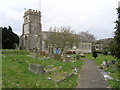
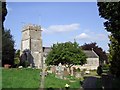
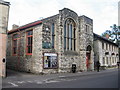
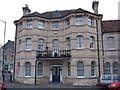
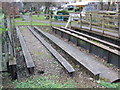
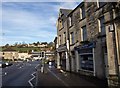
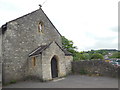
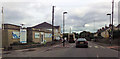
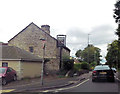
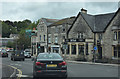
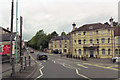
Area Information
Living in BA3 3GZ means inhabiting a small, tightly knit residential cluster in Radstock, Somerset. With a population of 1,743 and a density of 1,004 people per square kilometre, the area is compact yet distinct. Radstock’s history as a coal mining town shapes its character, with the name deriving from Old English references to a Roman road and reddish marl soil. Today, it functions as a commuter hub for nearby Bath and Bristol, though local employment is limited to manufacturing and retail. The town’s proximity to the Mendip Hills offers a contrast to its industrial past, with redevelopment plans for former railway lands hinting at future growth. Daily life here balances quiet residential living with practical access to nearby towns. The area’s low crime risk and flood safety scores suggest a stable, secure environment. For those seeking a small community with historical roots and modern connectivity, BA3 3GZ presents a mix of heritage and practicality.
- Area Type
- Postcode
- Area Size
- Not available
- Population
- 1743
- Population Density
- 1004 people/km²
The property market in BA3 3GZ is dominated by owner-occupied homes, with 68% of properties owned by residents rather than rented. This high home ownership rate indicates a community of long-term residents, many of whom may have built equity in their homes. The accommodation type is primarily houses, which is unusual for areas with higher apartment or flat density. This suggests a more traditional, suburban housing stock, potentially appealing to families seeking space and privacy. However, the small size of the area and its focus on single-family homes may limit options for buyers seeking alternative property types. The market is likely stable, with limited turnover, and proximity to Bath and Bristol could make it a commuter destination for those working in larger towns.
House Prices in BA3 3GZ
No properties found in this postcode.
Energy Efficiency in BA3 3GZ
The lifestyle in BA3 3GZ is shaped by its small-scale retail offerings, including The Radstock Co-operative Society Co, Morrisons Daily, and other local shops. These provide essential services for daily living, though the selection is limited compared to larger towns. The area’s redevelopment plans for former railway lands hint at future leisure and green spaces, though current amenities are modest. The Radstock Museum, housed in a Grade II listed building, offers insight into local history and geology. For residents, the area balances practicality with a touch of heritage, though social and cultural options are best found in nearby towns. The compact nature of BA3 3GZ means convenience is prioritised over variety, making it suitable for those valuing simplicity and proximity to essential services.
Amenities
Schools
BA3 3GZ is served by multiple primary schools, including St Nicholas CofE Infant School, St Nicholas CofE Junior School, St Nicholas CofE Primary, and St Nicholas Church School, which operates as an academy. These institutions cater to early education, providing a range of options for families. The presence of multiple schools under the same name suggests a cohesive educational network, though specific Ofsted ratings are not listed. The mix of traditional CofE and academy models may offer varied teaching approaches. For families, this cluster of schools ensures accessibility for young children, though further research would be needed to assess academic performance. The concentration of primary schools also implies a community focused on family needs, with education as a key consideration for residents.
| Rank | School | Type | Entry gender | Ages |
|---|
Explore more schools in this area
Go to Schools tabDemographics
The median age in BA3 3GZ is 47, with the majority of residents aged 30–64. This suggests a community of established adults, many of whom may be in their prime working years. Home ownership is high at 68%, indicating a strong presence of long-term residents. The predominant accommodation type is houses, which aligns with the area’s residential character. The predominant ethnic group is White, reflecting the broader demographic patterns of the region. While no specific deprivation data is provided, the high home ownership rate and low crime risk imply a relatively stable quality of life. The absence of significant diversity metrics means the community is likely homogenous in composition. For buyers, this suggests a mature, settled population with a focus on family-oriented living, supported by local schools and amenities.
Household Size
Accommodation Type
Tenure
Ethnic Group
Religion
Household Composition
Age
Household Deprivation
NS-SEC
Explore more demographic insights in this area
Go to Demographics tabPlanning
Planning Constraints
- Flood RiskPremium
- Ramsar Wetland SitesPremium
- Area of Outstanding Natural BeautyPremium
- Protected Nature ReservePremium
- Protected WoodlandPremium