Area Overview for BA2 8PJ
Photos of BA2 8PJ
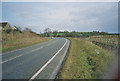
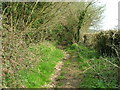
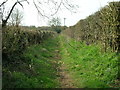

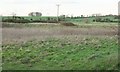
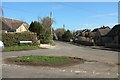
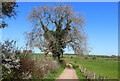
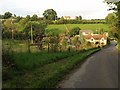
Area Information
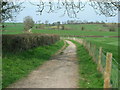
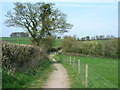
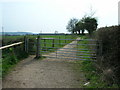
Living in BA2 8PJ offers a distinct blend of rural tranquillity and modern convenience within a small residential cluster. The postcode covers an area of just 2741 square metres yet serves a population of approximately 1,664 people. This density creates a close-knit community feel typical of the village of Peasedown St John, which sits south-east of Bath on the A367 Bath Road. The area possesses a deep historical context, having evolved from early Iron Age occupation through Roman and Saxon settlements. The modern village grew significantly following the opening of Braysdown colliery in 1845, a legacy that continues to shape the landscape today. Residents of this locality often appreciate the quiet atmosphere provided by the small landmass while remaining close to major urban centres. The civil parish was formalised in 1955, building upon ecclesiastical roots established in 1874 by the Misses Jarrett, who funded the original community structures. You will find significant historical landmarks, including the Parish Church of St John the Baptist, constructed in 1892 using local Bath stone. Architecture here ranges from colliery-era working-class homes to period properties reflecting the village's ecclesiastical growth. The terrain generally avoids major planning constraints, meaning new developments do not face restrictions related to protected woodlands or AONB status. This clear development path distinguishes the area for prospective buyers seeking established character without regulatory hurdles. Daily life balances the convenience of nearby towns with the serenity of a historically rich English village.
- Area Type
- Postcode
- Area Size
- 2741 m²
- Population
- Not available
- Population Density
- Not available
The property market in BA2 8PJ is characterised almost entirely by owner-occupation, with 78% of homes held by their residents. This statistic defines the nature of the local housing stock, which consists exclusively of houses rather than apartments or purpose-built rental blocks. Consequently, the market functions primarily through private sales of family homes, detached properties, and semi-detached dwellings. The absence of significant rental accommodation means new buyers are competing against long-term homeowners who may wish to downsize or relocate. This creates a stable market environment where properties often change hands due to life-cycle events rather than speculative investment cycles. For those seeking homes in this postcode, the lack of alternative tenure types simplifies the buying process but limits inventory variety. Most properties date back to the mid-to-late 19th century, coinciding with the construction of St John the Baptist church and the expansion following the colliery's operation. These older homes typically feature traditional layouts and local stone construction, mirroring the region's architectural heritage. The high homeownership rate implies that maintenance responsibility rests heavily with individual owners, leading to a varied condition of the housing stock. If you are considering purchasing here, expect to engage in direct negotiations over period features and rear extensions. The small geographical footprint of 2741 square metres restricts the volume of new builds, keeping the focus on the resale market for established Victorian and Edwardian houses.
House Prices in BA2 8PJ
Showing 4 properties
| Address | Type | Beds | Baths | Last Sale Price | Last Sale Date | |
|---|---|---|---|---|---|---|
| The Rosary, White Ox Mead Lane, Peasedown St John, Bath, BA2 8PJ | Bungalow | - | - | £350,000 | Jun 2021 | |
| Lorna Doone, White Ox Mead Lane, Peasedown St John, Bath, BA2 8PJ | Bungalow | 4 | 1 | £315,000 | Jun 2018 | |
| The Bungalow, 3 White Ox Mead Lane, Peasedown St John, Bath, BA2 8PJ | Detached | - | - | £75,000 | Jul 1995 | |
| Holly Tree Cottage, White Ox Mead Lane, Peasedown St John, Bath, BA2 8PJ | Detached | - | - | - | - |
Energy Efficiency in BA2 8PJ
Residents of BA2 8PJ enjoy a lifestyle anchored by a diverse range of amenities within easy practical reach. The retail sector is well-stocked with five major outlets, including The Radstock Co-operative Society Co, Tesco Peasedown, and Morrisons Daily. These supermarkets provide comprehensive shopping needs, from fresh groceries to household essentials, reducing the need for frequent travel to larger towns. For rail commuters, four stations form a vital transport network. Oldfield Park Railway Station serves the immediate locality, while Bath Spa Railway Station acts as the primary gateway to southern England. Freshford Railway Station completes the local connectivity, ensuring multiple departure points are available without needing a car for train travel. The village heart features historical landmarks that contribute to the daily environment. The Parish Church of St John the Baptist stands as a central community feature on Church Road, designed by architects Bodley and Garner. Religious diversity is evident through the presence of the Peasedown St John Methodist Church, founded in 1874, and the surviving Christadelphian Hall on Huddox Hill. Educational facilities are integrated into the residential fabric, with former chapels now repurposed, such as the site in Eckweek Road which hosts Zebedees Nursery School. This mix of historic institutions and modern services creates a convenient hub where education, faith, and commerce coexist. You will find that daily errands can be completed locally while leisurely walks often lead past these significant local points of interest.
Amenities
Schools
| Rank | School | Type | Entry gender | Ages |
|---|
Explore more schools in this area
Go to Schools tabDemographics
The community in BA2 8PJ is defined by an older demographic profile and high levels of stability. The median age for residents is 47 years, with the most common age range falling between 30 and 64 years. This age distribution suggests the area appeals strongly to mature families, empty nesters, and professionals established in their careers. Homeownership is the dominant form of tenure, accounting for 78% of households. This high rate indicates that the majority of residents have settled long-term rather than viewing the area as a temporary rental stop. Accommodation types are exclusively houses, providing detached or semi-detached spaces compared to urban flats. Ethnic diversity is meaningful but the predominant group is White, reflecting the typical profile of established English villages. The absence of rental housing significantly impacts the local culture, fostering a sense of permanence and neighbourly investment. With nearly four out of five households owning their homes, you can expect a community where property pride and local association are common. The low population density combined with house-based living means fewer than 2,000 individuals inhabit this specific postcode area, reducing street noise and congestion. This demographic consistency means services cater reliably to a specific age bracket and household composition. When planning for school runs or social activities, the concentration of adults in their prime working and parenting years creates a peer network readily available for local互助.
Household Size
Accommodation Type
Tenure
Ethnic Group
Religion
Household Composition
Age
Household Deprivation
NS-SEC
Explore more demographic insights in this area
Go to Demographics tabPlanning
Planning Constraints
- Flood RiskPremium
- Ramsar Wetland SitesPremium
- Area of Outstanding Natural BeautyPremium
- Protected Nature ReservePremium
- Protected WoodlandPremium