Area Overview for Yapton
Photos of Yapton


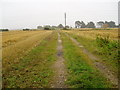
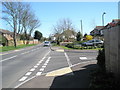
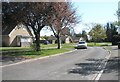
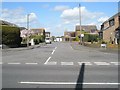
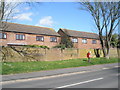

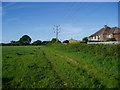



Area Information
Living in Yapton means calling a compact, built-up area of just 2.4 km² home. This location sits within England yet offers quiet character distinct from major urban centres. The community is defined by stability rather than rapid change or transient populations. A significant proportion of residents own their properties, suggesting long-term settlement and roots in the locality. Daily life here revolves around practical access to nearby towns rather than having everything immediately at your doorstep. You will find a residential atmosphere where neighbours know each other, supported by a high rate of home ownership. The area functions well for those who value peace but still require reliable transport links. It is a place where the pace of life is controlled, not dictated by commuter traffic or commercial noise. While small, the site contains enough housing to support a functioning local community. Families, retirees, and sheltered individuals all call this patch of land their residence. The environment reflects a traditional English village feel mixed with the practicalities of modern living. There is no fanfare here, just a straightforward, settled way of life that suits those seeking predictability.
- Area Type
- Built Up Area 250
- Area Size
- 2.4 km²
- Population
- Not available
- Population Density
- Not available
Residents benefit from a network of amenities within practical reach, ensuring daily needs are met efficiently. Retail options include five key locations, such as The Southern Co-operative Co and Tesco Littlehampton. You can shop for groceries and everyday essentials at these established supermarkets. Six rail stations serve the wider region, including Ford Railway Station, Barnham Railway Station, and Littlehampton Railway Station. These transport hubs provide access to broader networks beyond the immediate district. The proximity to Tesco Barnham and other retail outlets means you rarely need to travel far for basic supplies. Dining and leisure options are integrated into these larger commercial zones nearby. The combination of local co-ops and national chains like Tesco offers variety in pricing and product quality. Rail connectivity allows you to commute to larger towns without owning a car. This blend of local independence and regional access defines the convenience of Yapton. You can start your day locally and finish it with a regional excursion if desired.
Amenities
Schools
Families residing in Yapton have access to formal education at two nearby institutions. The closest option is Yapton CE Primary School, which holds a 'good' Ofsted rating. This designation confirms the school provides a solid standard of education for younger children living in the village. There is also The Kingsway School available nearby, which operates as an independent institution. This mix of state and private options offers limited choice but ensures educational provision within reach. Because the primary school is rated good, parents can expect a baseline of quality without the guarantee of a top-tier rating. The presence of an independent school nearby suggests an alternative pathway for those seeking different educational philosophies or curriculum styles. However, you may find that competition for places exists if demand exceeds the capacity of these specific facilities. The school composition reflects the demographic réalité, with a primary focus on early education rather than secondary years within immediate proximity. Prospective parents must plan travel time carefully to accommodate these specific school locations.
| Rank | School | Type | Entry gender | Ages |
|---|
Explore more schools in this area
Go to Schools tabDemographics
The community in Yapton is predominantly older, with a median age of 70. This figure indicates that the population is far from youthful, reflecting an area populated largely by retirees or those leaving the workforce. The most common age group spans the total population, confirming the broad seniority of the inhabitants. Nearly three-quarters of households, specifically 77%, consist of owner-occupiers. This high level of ownership implies financial stability among residents and a preference for staying in the same home for life. The remaining 23% likely comprise private tenants or those in shared ownership schemes. While specific ethnic diversity data and religious affiliation are not detailed in the provided records, the demographic weight heavily leans towards older demographics. This profile shapes local services and amenities, which cater primarily to mature needs. The lack of young families influences the character of the neighbourhood, creating an environment of calm rather than youthful energy. Property types will mirror this age profile, favouring homes suited to single occupants or couples. Understanding these numbers helps you anticipate who your neighbours might be.