Area Overview for Tatsfield
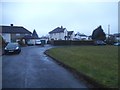
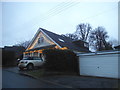
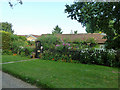
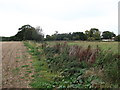
Photos of Tatsfield
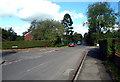
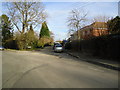
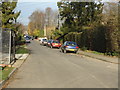
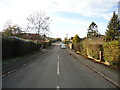



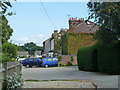
Area Information
Tatsfield stands as a distinct built-up area in South East England, occupying a total size of 95.5 hectares. This profile suggests a compact community rather than an expansive metropolitan hub. Living in Tatsfield involves navigating a neighbourhood defined by its established scale, which naturally limits the immediate sprawl of residential development. The area functions as a self-contained locale where daily life revolves around specific, nearby resources rather than reliance on a distant city centre. Its classification as a built-up area indicates a density that supports walkability to certain amenities, yet maintains a separation from the larger transport nodes found in urban cores. For prospective buyers, the尺度 of 95.5 hectares implies a quiet, contained environment where the character of the vicinity is easily discernible. You arrive in Tatsfield with the expectation of a smaller-scale settlement where the pace is dictated by the local rhythm rather than the urgencies of a major conurbation. This structure offers a stable setting for those seeking a residence within a clearly defined geographical boundary. The community exists independently, supported by its own internal infrastructure and proximity to wider networks without being consumed by them. Understanding this physical scope helps you grasp what settling into Tatsfield entails regarding space and access.
- Area Type
- Built Up Area 250
- Area Size
- 95.5 hectares
- Population
- Not available
- Population Density
- Not available
Your daily convenience relies heavily on the specific amenities located within practical reach of Tatsfield. Residents have access to three primary retail outlets: Tesco Biggin, Co-op Biggin, and Morrisons Daily. These supermarkets provide essential shopping needs without a long drive into a larger city. Beyond food, two airports serve the immediate vicinity, identified as London Biggin Hill Airport and Biggin Hill Airport. This proximity is significant for those travelling frequently or working in aviation-adjacent roles. For rail travellers, five stations offer connectivity, including Oxted Railway Station, Woldingham Railway Station, and Hurst Green Railway Station. Additionally, the local tram network includes five stops, specifically New Addington Tram Stop, King Henry's Drive Tram Stop, and Fieldway Tram Stop. Living in Tatsfield grants you immediate access to these diverse transport and retail hubs. You do not need to travel far to stock your fridge or board a train for London. The configuration of shops and transit points creates a lifestyle where necessities are gathered locally. This mix of retail and transport infrastructure supports an efficient routine, allowing you to manage daily errands quickly while enjoying the relative quiet of the residential zone. The presence of multiple transport options means you are never locked into a single mode of travel for your commute.
Amenities
Schools
| Rank | School | Type | Entry gender | Ages |
|---|
Explore more schools in this area
Go to Schools tabDemographics
The community profile of Tatsfield reveals a settlement dominated by an older demographic. The median age of residents is 70, confirming that the area is home primarily to retirees or older adults. This age distribution shapes the daily dynamics of living in Tatsfield, creating a quieter atmosphere compared to neighbourhoods with a younger workforce. Home ownership rates stand at a robust 87%, indicating that the vast majority of households in this area own their properties outright or with a mortgage. This high level of tenure suggests long-term stability and a low turnover of residents who have put down roots for decades. The dominance of owner-occupied homes aligns closely with the age profile, as older generations typically possess greater equity and housing security. You will find that houses in Tatsfield are largely held by families who have lived there for a significant period. This concentration of established homeowners creates a neighbourhood governed by shared interests in property maintenance and community continuity. The demographic data paints a clear picture of an area where residents are settled, prioritising stability over transient living arrangements. Daily interactions likely reflect the needs and preferences of an older population focused on retirement living and established routines.